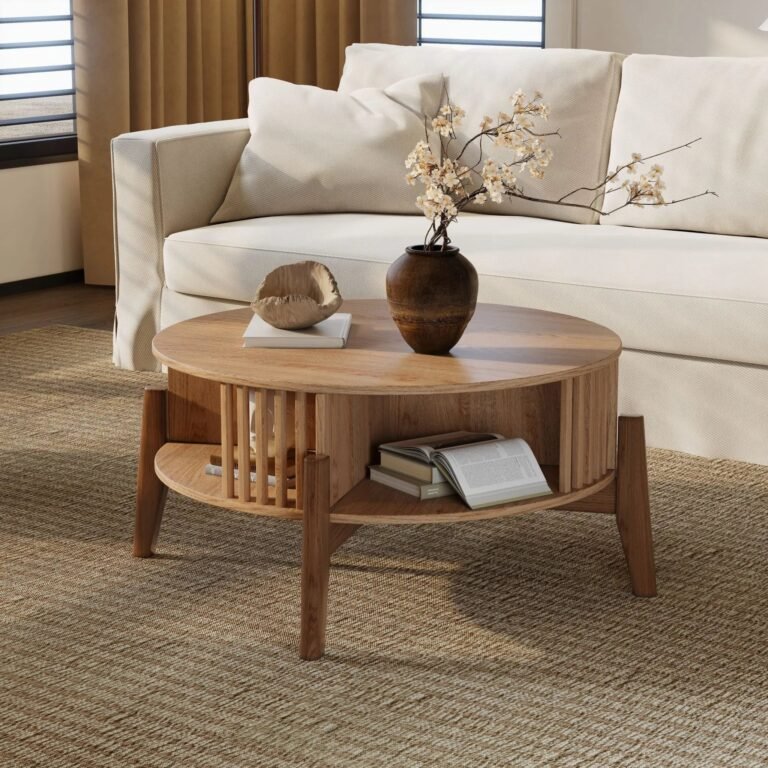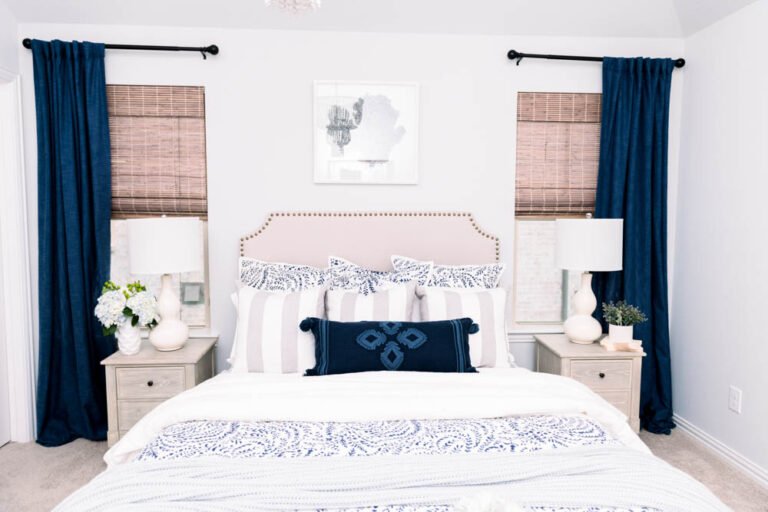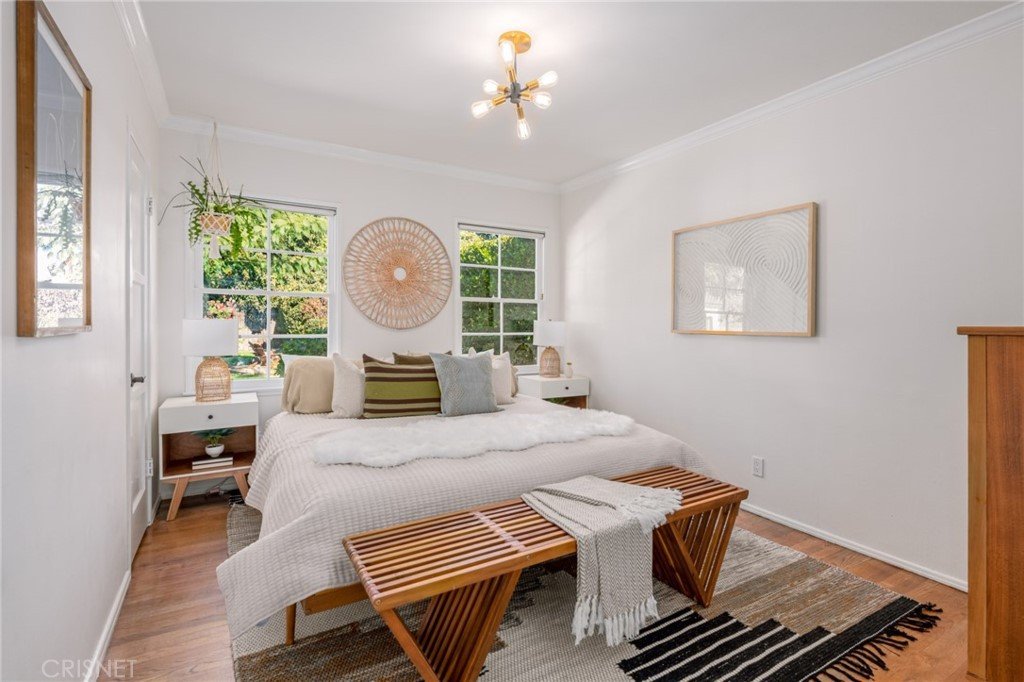
How to Mix Wood Tones in the Same Room Without Clashing
Mixing different wood tones in the same room can make an interior feel warm, layered, sophisticated, and thoughtfully designed. But when the colors and undertones are not coordinated, the room can quickly look random or mismatched.
The good news is that you do not need every wooden element in your home to match perfectly. In fact, using only one wood finish throughout a room can sometimes make the space feel flat or overly coordinated. The secret is learning how to combine different wood tones intentionally.
Whether you are decorating a living room with oak flooring and walnut furniture, styling a bedroom with a wooden bed and different-colored nightstands, or updating a kitchen with wood cabinets and butcher-block surfaces, the right approach can help every finish work together.
This guide explains how to mix wood tones without clashing, how to identify undertones, how many wood finishes to use, where to place them, which combinations work particularly well, and what mistakes to avoid.
Why Mixing Wood Tones Can Be Difficult
Wood is a natural material, and no two pieces are exactly alike. Even wood from the same species can have variations in grain, color, and texture.
Some woods appear warm and golden, while others are cool, gray, reddish, or almost black. When several finishes are placed next to each other without a visual connection, the differences can become distracting.
For example, imagine a room with:
- Orange-toned oak flooring
- Red mahogany furniture
- Yellow pine shelving
- Gray-washed coffee tables
- Dark espresso cabinets
Each finish might look attractive by itself, but together they may create too many competing colors.
The solution is not necessarily to remove the different woods. Instead, create relationships between them.
A successful room usually has a dominant wood tone, one or two supporting tones, and enough neutral or textural elements to connect everything.
Start With the Existing Wood
Before buying new furniture or changing finishes, identify the wood that is already permanent in the room.
This might include:
- Hardwood flooring
- Exposed ceiling beams
- Built-in cabinets
- Wooden doors
- Window frames
- Wall paneling
- Staircases
- Architectural trim
Permanent wood elements should usually become the foundation for your decorating palette.
If your floors are warm honey oak, for example, you do not have to make every piece of furniture honey oak. Instead, consider the existing floor your dominant wood tone and choose furniture finishes that complement it.
Trying to fight a permanent wood finish often creates more problems than working with it.
Understand Wood Undertones
One of the most important skills when mixing wood tones is learning to recognize undertones.
The surface color is what you notice immediately, but the undertone is the subtle color underneath it.
Wood can have:
- Warm yellow undertones
- Warm orange undertones
- Red undertones
- Cool gray undertones
- Brown undertones
- Neutral undertones
For example, two medium-brown woods may look completely different when one has a strong reddish undertone and the other has a cool gray undertone.
Warm Wood Tones
Warm woods often include finishes that appear:
- Honey-colored
- Golden
- Amber
- Orange
- Reddish brown
These woods tend to work naturally with other warm finishes.
Cool Wood Tones
Cool wood finishes may appear:
- Gray
- Ashy
- Muted brown
- Weathered
- Taupe
They often pair well with modern neutrals and cooler colors.
Dark Wood Tones
Dark woods such as deep walnut or espresso can provide contrast against lighter woods.
Dark wood is particularly useful when a room contains pale flooring or light-colored furniture because it adds visual weight.
Choose a Dominant Wood Tone
One of the easiest ways to prevent wood finishes from clashing is to choose a dominant tone.
The dominant wood should occupy the largest visual area.
In many rooms, this will be:
- Flooring
- Cabinetry
- Wall paneling
- A large dining table
- A major built-in feature
Once you identify the dominant tone, use other woods as supporting accents.
For example, if your room has medium oak flooring, you might use:
- Medium oak as the dominant wood
- Walnut for furniture
- Light ash for small accessories
This creates variety without making every wood compete for attention.
Use Contrast Intentionally
Different wood tones do not have to be similar to work together.
Sometimes contrast actually makes a room more interesting.
A light wood floor can look beautiful with a dark walnut dining table. A dark wood cabinet can work with a lighter oak stool. A medium wood console can sit comfortably against a pale wood floor.
The key is to make the contrast look intentional.
If you have a very light wood and a very dark wood, repeat each tone somewhere else in the room if possible.
For example:
- Dark walnut coffee table
- Dark walnut picture frames
- Light oak flooring
- Light oak decorative tray
This repetition creates balance.
Repeat Each Wood Tone
Repetition is one of the simplest interior design techniques for creating harmony.
If a particular wood appears only once, it can look accidental.
If you repeat it two or three times, it begins to feel intentional.
Suppose you have a walnut dining table. You could repeat walnut through:
- Dining chairs
- A sideboard
- Picture frames
- Decorative bowls
- Lamp bases
You do not need every item to match exactly. Even subtle references can create visual continuity.
Follow the “Two to Four Tones” Rule
There is no universal rule saying that a room can contain only a specific number of wood finishes. However, limiting the palette can make the room easier to coordinate.
For many interiors, two or three major wood tones are enough.
A larger room may comfortably handle four tones if they are carefully distributed.
For example:
Wood Palette Example
Dominant: Natural oak flooring
Secondary: Walnut furniture
Accent: Light ash accessories
This gives the room contrast while keeping the overall palette controlled.
The problem usually begins when every piece introduces a completely different wood color.
Mix Similar Undertones
One safe strategy is to combine woods that share similar undertones.
Warm woods usually work well together.
For example:
- Honey oak
- Warm walnut
- Natural maple
- Warm teak
These finishes have differences, but their warmth helps them relate to one another.
Similarly, cooler finishes may work together:
- Weathered oak
- Ash
- Gray-washed wood
- Muted brown finishes
The woods do not need to be identical. They simply need some visual relationship.
Use a Bridge Wood
Sometimes two wood tones feel disconnected. A third wood finish can act as a bridge.
Imagine you have:
- Very light oak flooring
- Very dark walnut furniture
Instead of adding another random wood, choose a medium-brown wood accessory that sits visually between the two.
This creates a gradual transition.
Bridge pieces might include:
- Side tables
- Shelves
- Picture frames
- Decorative stools
- Baskets
- Wooden bowls
A bridge wood can make a high-contrast combination feel much more intentional.
Consider the Grain Pattern
Color is not the only factor that matters.
Wood grain can dramatically affect how a finish looks.
Some woods have subtle grain patterns, while others have bold knots and strong lines.
When mixing several highly patterned woods, the room can feel visually busy.
If your flooring has a strong grain pattern, consider furniture with a calmer grain.
For example, a dramatic oak floor may pair beautifully with a relatively smooth walnut table.
The contrast is present, but the patterns are not competing.
Balance Rustic and Refined Woods
Mixing different wood styles can also create tension.
A heavily distressed reclaimed-wood table may feel very different from a sleek, glossy modern cabinet.
That does not mean they cannot work together.
The rest of the room should provide a bridge.
Use:
- Neutral fabrics
- Simple shapes
- Consistent hardware
- Similar colors
- Repeated materials
This allows the rustic and modern elements to coexist.
Mix Wood Through Furniture
Furniture is one of the easiest places to introduce multiple wood tones.
Consider a living room with:
- Oak flooring
- Walnut coffee table
- Light wood side table
- Medium-brown media console
Instead of treating each item separately, create a visual rhythm.
Place the darker furniture around the room rather than concentrating all dark wood in one corner.
This distributes visual weight.
Use Rugs to Separate Wood Tones
Rugs can be extremely helpful when two wooden finishes look awkward together.
A rug can create a visual boundary between:
- Wood flooring and furniture
- A wooden coffee table and side tables
- Dining furniture and surrounding flooring
For example, if your dining table has a much darker finish than the floor, placing it on a neutral rug can soften the transition.
The rug becomes a visual buffer.
Neutral Colors Help Wood Tones Work Together
Neutral colors are excellent for connecting different woods.
Consider using:
- Cream
- Beige
- White
- Taupe
- Soft gray
- Charcoal
- Black
These colors do not compete with wood grain.
A room with several wood tones can benefit from neutral upholstery, curtains, walls, and rugs.
This gives the eye a place to rest.
Add Textiles for Balance
Wood is visually hard and structured. Textiles can soften the overall appearance.
Use:
- Curtains
- Cushions
- Throws
- Upholstered chairs
- Area rugs
- Bedding
Textiles can also introduce colors that connect the wood finishes.
For example, a warm beige rug can help warm oak and walnut feel like part of the same palette.
Mix Wood With Other Natural Materials
You can reduce the pressure on wood by introducing other natural materials.
Consider:
- Rattan
- Wicker
- Linen
- Stone
- Marble
- Ceramic
- Jute
- Leather
- Cotton
These materials can act as transitional elements.
For example, an oak table, walnut chairs, and a jute rug can look more cohesive than the same furniture placed directly on a bare floor.
Black Can Unite Different Wood Tones
Black is a useful visual anchor.
Black metal legs, lighting fixtures, cabinet handles, or frames can help different wood finishes feel intentional.
For example:
- Light oak table
- Dark walnut cabinet
- Black metal chairs
- Cream walls
The black elements provide consistency without requiring the wood finishes to match.
White Can Create Breathing Room
White walls and light upholstery can also help separate competing wood tones.
If a room contains several medium and dark woods, white or off-white surfaces can prevent it from feeling visually heavy.
This is especially effective in smaller rooms.
A white wall does not erase the differences between wood finishes. Instead, it gives each finish enough visual space to stand on its own.
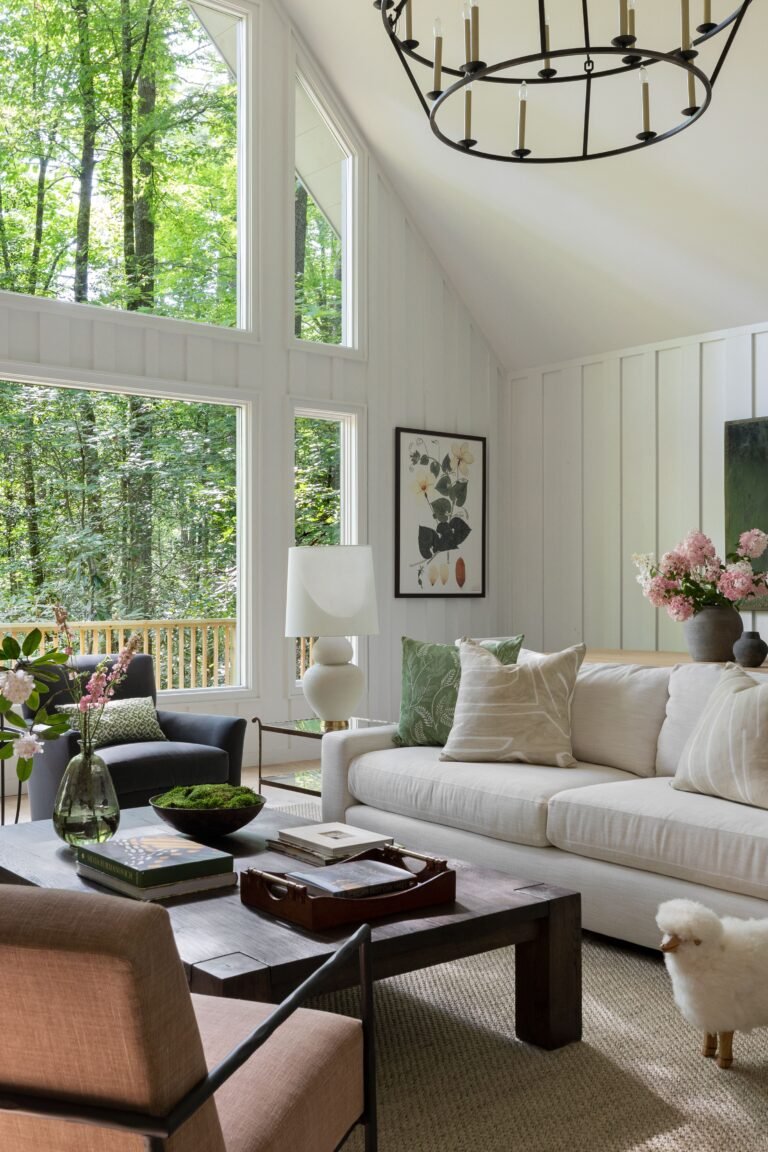
Mixing Wood in the Living Room
The living room is often one of the easiest places to mix wood.
Start with the flooring.
If you have wooden floors, identify their dominant tone.
Then introduce furniture in contrasting but related finishes.
For example:
- Warm oak flooring
- Walnut coffee table
- Medium wood console
- Light wood accent chair
- Neutral rug
Repeat the walnut in smaller accessories to establish continuity.
Avoid placing every wooden object in a completely different finish.
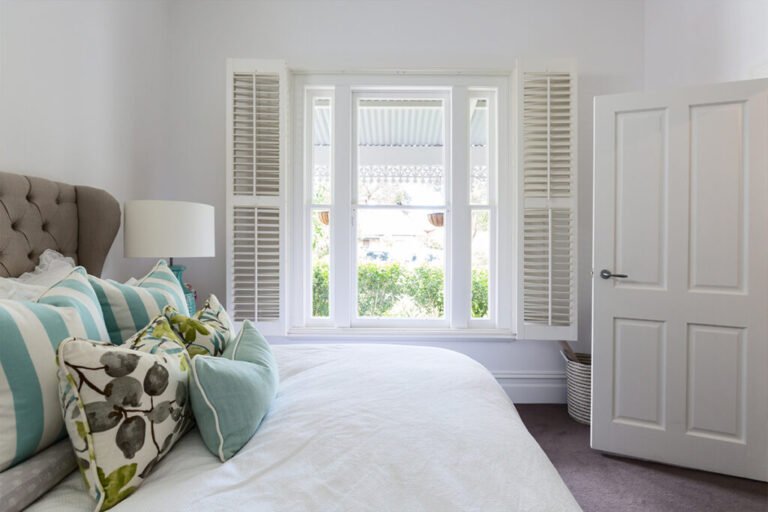
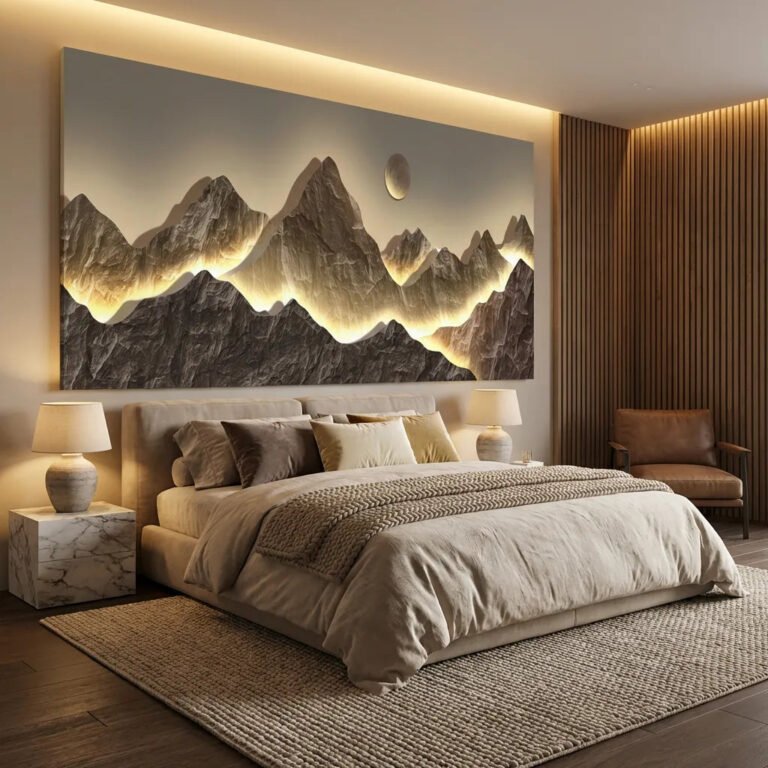
Mixing Wood in the Bedroom
Bedrooms benefit from warmth, so wood is especially useful here.
A wooden bed does not need to match the nightstands exactly.
For example:
- Natural oak bed
- Walnut nightstands
- Medium wood dresser
- Neutral upholstered chair
To connect the palette, use bedding in warm neutrals.
Cream, beige, tan, and soft brown can help the wood tones blend naturally.
Mixing Wood in the Dining Room
Dining rooms often contain several wooden surfaces:
- Dining table
- Chairs
- Cabinet
- Flooring
- Sideboard
Matching everything can look overly formal.
Instead, choose one dominant piece.
For example, let the dining table be the focal point.
If the table is dark walnut, consider lighter chairs or a medium wood sideboard.
A large rug underneath the table can further connect the finishes.
Mixing Wood in the Kitchen
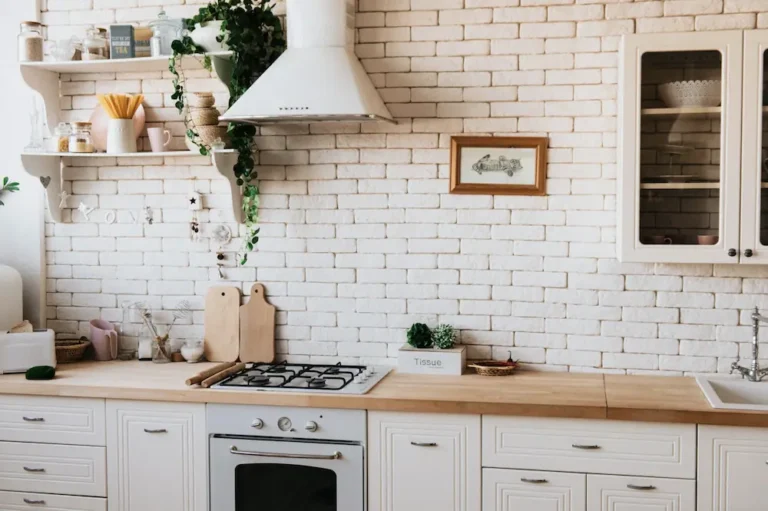
Kitchens require more careful planning because cabinetry is often permanent.
If you have natural wood cabinets, you do not necessarily need matching wood stools or shelving.
Contrast can work beautifully.
For example:
- Warm wood cabinets
- Light wood stools
- Stone countertop
- Black hardware
- Neutral flooring
If you already have multiple wood finishes, keep countertops and backsplashes relatively simple.
Too many patterns can make the kitchen feel busy.
Mixing Wood in a Small Room
Small rooms require restraint.
A useful strategy is to keep the dominant wood light or medium and introduce darker wood through small accents.
For example:
- Light oak floor
- Medium walnut desk
- Dark wood picture frames
The darker accents provide depth without overwhelming the room.
Mirrors can also help because they reflect light and make the space feel more open.
Use Wood Accessories Carefully
Wood accessories are a great way to repeat a finish.
Try:
- Cutting boards
- Decorative trays
- Picture frames
- Bowls
- Small stools
- Candle holders
- Shelves
However, do not introduce a new wood tone with every accessory.
Accessories should reinforce the existing palette rather than constantly expand it.
Avoid Matching Everything Too Closely
One common mistake is assuming that all wood must match.
If the flooring, table, chairs, shelves, and cabinets are all exactly the same finish, the room can sometimes feel like a furniture showroom.
Variation adds personality.
The goal is coordination rather than duplication.
Avoid Too Many Orange Woods
Orange and reddish wood finishes can be visually strong.
If a room already has a highly orange-toned floor, adding multiple orange furniture pieces may make the space feel dated or overly warm.
Balance strong orange wood with:
- Cream
- Black
- Soft gray
- Olive
- Beige
- Natural textiles
You can also introduce a cooler wood tone for contrast.
Be Careful With Gray-Washed Wood
Gray wood became popular in modern farmhouse and coastal interiors, but it can be difficult to combine with strongly warm woods.
A gray-washed table next to orange oak flooring may create a noticeable clash.
If you want to use both, connect them with neutral or muted colors.
A taupe rug, cream upholstery, and natural stone can help bridge the difference.
Do Not Ignore Lighting
Lighting changes how wood looks.
Warm light can make wood appear more golden, while cooler light can emphasize gray or muted undertones.
Before purchasing expensive furniture, look at the finish under the actual lighting conditions of your room.
Check it during:
- Morning
- Afternoon
- Evening
- Artificial lighting
A finish that looks perfect in a showroom may look different at home.
Consider the Room’s Architecture
Architectural features should influence your wood palette.
If your home already has exposed beams, wooden floors, and wood doors, those elements establish a strong visual identity.
Instead of adding many more finishes, choose furniture that complements the existing architecture.
In a room with extensive woodwork, fewer additional wood tones may be better.
Use Similar Shapes to Create Unity
Different wood finishes can feel more cohesive when the furniture shapes have something in common.
For example:
- Rounded walnut coffee table
- Rounded oak side table
- Rounded wooden stool
The finishes differ, but the repeated shape creates a relationship.
Likewise, similar furniture proportions can help multiple wood tones feel intentional.
Use Similar Finishes Strategically
The sheen of wood also matters.
Glossy wood can look very different from matte or heavily textured wood.
If you combine several finishes, consider keeping the overall sheen controlled.
For example, matte oak, satin walnut, and natural unfinished wood may feel more cohesive than mixing high-gloss lacquer with several distressed finishes.
Create a Visual Triangle
A useful decorating technique is the visual triangle.
Instead of placing one wood tone in a single location, repeat it in three areas of the room.
For example:
Walnut coffee table → walnut picture frame → walnut side table
This creates a triangle that naturally moves the eye around the room.
You can do the same with light oak, dark wood, or medium brown.
Think About Proportion
Not every wood tone needs equal representation.
One finish can cover 60–70 percent of the visible wood, while another might account for 20–30 percent and an accent finish only 10 percent.
The exact percentages are not important.
The concept is what matters.
A dominant tone creates stability, while smaller amounts of contrasting wood provide interest.
Create a Mood With Your Wood Palette
Different combinations create different atmospheres.
Warm and Cozy
Try:
- Honey oak
- Walnut
- Beige
- Cream
- Leather
Modern and Sophisticated
Try:
- Dark walnut
- Light oak
- Black
- White
- Stone
Scandinavian-Inspired
Try:
- Pale oak
- Ash
- White
- Soft gray
- Natural textiles
Rustic
Try:
- Reclaimed wood
- Medium oak
- Dark brown
- Linen
- Woven materials
Organic Modern
Try:
- Natural oak
- Walnut
- Stone
- Linen
- Warm neutral colors
How to Test Wood Combinations Before Buying
If you are uncertain about a combination, test samples first.
Place wood samples next to:
- Flooring
- Wall paint
- Countertops
- Upholstery
- Rugs
- Existing furniture
Look at the samples together rather than individually.
This gives you a much better idea of whether the finishes actually belong in the same room.
Common Wood-Mixing Mistakes
Mistake 1: Matching Everything
Perfectly matching every wood finish can make a room feel artificial.
Mistake 2: Ignoring Undertones
Two brown woods can clash because one is red and the other is gray.
Mistake 3: Introducing Too Many Finishes
Five or six unrelated woods can make a room feel chaotic.
Mistake 4: Forgetting Repetition
A wood tone that appears only once may look accidental.
Mistake 5: Ignoring Grain
Strong grain patterns can compete even when the colors technically work.
Mistake 6: Concentrating Dark Wood
If every dark piece is on one side of the room, the space may feel visually unbalanced.
Mistake 7: Forgetting the Floor
The floor is often the largest wood surface, so it should be part of the overall plan.
Easy Wood-Tone Combinations to Try
If you want a simple starting point, consider these combinations.
Oak and Walnut
This is one of the most versatile combinations.
Light oak creates brightness while walnut adds depth.
Ash and Walnut
Ash provides a pale, clean appearance, while walnut introduces warmth and contrast.
Teak and Black-Stained Wood
The natural warmth of teak can look striking against darker finishes.
Natural Oak and White-Washed Wood
This combination works well for relaxed, coastal, and Scandinavian-inspired rooms.
Medium Brown and Dark Brown
A medium brown dominant finish with small amounts of dark wood can create a classic appearance.
A Simple Formula for Mixing Wood Tones
If you are unsure where to start, use this formula:
1. Identify the dominant wood.
Usually this is the floor or cabinetry.
2. Choose a contrasting secondary wood.
Make sure it has a compatible undertone.
3. Add one accent wood if necessary.
Use it sparingly.
4. Repeat each important wood tone.
Aim for at least two visual references where practical.
5. Add neutral materials.
Use rugs, upholstery, walls, stone, or curtains to create breathing room.
6. Check the lighting.
Make sure the combination works throughout the day.
Frequently Asked Questions
Can different wood tones really work in one room?
Yes. Different wood tones can create depth and character when they are connected through undertones, repetition, proportion, and complementary materials.
Should all wood furniture match the floor?
No. Furniture does not need to match the flooring exactly. A contrasting but coordinated wood can make the room more interesting.
How many wood tones should a room have?
Two or three major wood tones are usually easy to manage. Larger rooms can sometimes support more, provided the finishes are intentionally distributed.
Can warm and cool woods be mixed?
Yes, but the transition needs to be intentional. Neutral colors, rugs, textiles, stone, and black accents can help connect warm and cool finishes.
Should wood grain patterns match?
Not necessarily. However, if one wood has a very strong grain, pairing it with simpler grain patterns can prevent the room from looking too busy.
Is dark wood outdated?
Dark wood remains useful in many interior styles. Its effect depends on the finish, furniture design, lighting, and surrounding colors.
Can oak and walnut be used together?
Absolutely. Oak and walnut can create a strong light-dark contrast and work particularly well in modern, contemporary, Scandinavian, and organic interiors.
What should I do if my existing wood floor clashes with my furniture?
Start by identifying the floor’s undertone. Then introduce rugs, neutral upholstery, and accessories that help connect the floor and furniture. You may not need to replace either one.
Can wood tones be mixed in a small room?
Yes. Keep one wood dominant and use darker or contrasting finishes in smaller amounts. This maintains visual balance.
Should kitchen cabinets and dining furniture match?
They do not have to. Different wood finishes can create a more layered look as long as their colors and undertones are coordinated.
Final Thoughts
Mixing wood tones successfully is less about finding identical finishes and more about creating relationships between different materials.
Start with the permanent wood in your room, especially the flooring or cabinetry. Identify its undertone and choose additional finishes that either complement or intentionally contrast with it.
Keep a dominant wood tone, repeat important finishes throughout the room, and use rugs, textiles, neutral colors, stone, metal, and other natural materials to create connections.
Remember that wood does not need to match perfectly to look beautiful together. In fact, some of the most inviting interiors use several wood tones to create depth, contrast, and personality.
The most important principle is intentionality. When each wood finish has a purpose and appears in a balanced way, differences become part of the design rather than something that looks like a mistake.
Instead of asking, “Do these woods match?” ask, “Do these woods relate to each other?”
That small change in perspective can make decorating much easier.
With a dominant wood, a supporting tone, thoughtful repetition, balanced contrast, and a few neutral materials, you can confidently mix wood tones in the same room without creating a clashing or chaotic look.