How to Choose the Perfect Coffee Table for Your Seating Setup
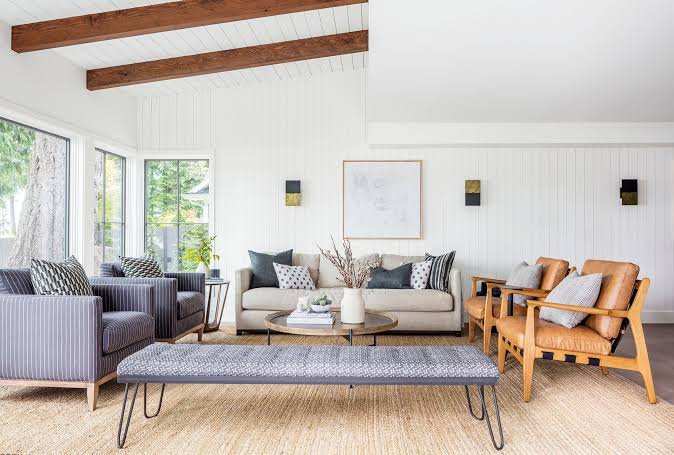
A coffee table may seem like a small part of a living room, but it can have a surprisingly large impact on how the entire seating area looks, feels, and functions. The right coffee table can bring a sofa, chairs, rugs, lighting, and decorative accessories together into one balanced arrangement. The wrong table, however, can make a room feel crowded, uncomfortable, visually unbalanced, or difficult to use.
Choosing the perfect coffee table is not simply about finding a design that looks attractive. You need to consider the size of your room, the dimensions of your sofa, the number of seats, walking space, table height, shape, materials, storage needs, lifestyle, and overall interior style. A beautiful table that is too large for the room may become an obstacle, while a stylish table that is too small may look disconnected from the rest of the furniture.
Whether you have a large family living room, a compact apartment, an open-plan space, a minimalist lounge, or a traditional sitting room, there is a coffee table that can work beautifully with your seating setup.
This guide explains everything you need to know about choosing the perfect coffee table, from measurements and shapes to materials, storage, styling, and common mistakes.
Why the Coffee Table Matters
The coffee table is often the visual center of a seating arrangement. It occupies the space between sofas and chairs and creates a natural point around which people gather.
A well-selected coffee table can perform several functions at once.
It can provide:
- A convenient surface for drinks
- A place for books and magazines
- Space for decorative objects
- A surface for snacks when entertaining
- Storage for everyday items
- A visual connection between different pieces of furniture
- A comfortable focal point for the room
- A practical surface for remote controls and accessories
In addition to functionality, the coffee table influences the proportions of the entire room.
Imagine a large sectional sofa paired with a tiny coffee table. The sofa may visually overpower the table, making the arrangement look unfinished. On the other hand, placing an oversized rectangular table in a small room can reduce walking space and make the area feel cramped.
The goal is balance.
A coffee table should feel like a natural part of the seating arrangement rather than an object that was added afterward.
Start With Your Seating Setup
Before choosing a coffee table, look carefully at the furniture you already have.
Your sofa or sectional should be the starting point because the coffee table needs to relate to its dimensions and shape.
Consider:
- Sofa width
- Sofa height
- Sofa depth
- Number of seats
- Sectional configuration
- Chair placement
- Distance between seats
- Available floor space
If you are buying the coffee table before purchasing your seating furniture, it is useful to have approximate measurements of the sofa or sectional you plan to buy.
Your seating arrangement determines the scale and shape of the coffee table.
For example, a long three-seat sofa usually works well with a rectangular or oval coffee table. A compact loveseat may look better with a small round or square table. A large L-shaped sectional can accommodate a larger rectangular, square, oval, or specially shaped table depending on the available space.
Measure the Room Before Shopping
One of the most important steps in choosing a coffee table is measuring the room.
Never rely only on visual judgment.
Furniture can look smaller in a large showroom than it actually appears in a home. A coffee table that seems reasonably sized in a furniture store may occupy much more space once it is placed between your sofa and television unit.
Measure the following:
- Overall room dimensions
- Sofa dimensions
- Distance between sofa and other furniture
- Main walking paths
- Available space in front of the sofa
- Height of the sofa seat
- Width and depth of potential table placement
Use masking tape on the floor to outline the approximate dimensions of a table you are considering. This simple technique can help you visualize how much floor space the table will occupy.
You can also use cardboard or newspaper to create a temporary template.
This is particularly useful in smaller rooms.
How Far Should a Coffee Table Be From the Sofa?
The distance between the coffee table and sofa is one of the most important comfort considerations.
Generally, you want enough space to move your legs comfortably while keeping the table close enough to reach.
A common guideline is to leave approximately 14 to 18 inches between the edge of the sofa and the coffee table.
This range is not an absolute rule. Your room and furniture should determine the final distance.
If the table is too close:
- People may bump their knees
- It becomes difficult to sit down
- The seating area can feel cramped
- Cleaning becomes harder
If it is too far away:
- Drinks become difficult to reach
- The seating arrangement loses visual connection
- The room may feel disconnected
- The table becomes less useful
The ideal arrangement creates comfortable circulation while keeping the coffee table within easy reach.
How High Should a Coffee Table Be?
Coffee table height is another major consideration.
A useful general guideline is to choose a table that is around the same height as the sofa seat or slightly lower.
For many seating arrangements, a coffee table approximately 1 to 2 inches lower than the sofa seat creates a comfortable and visually balanced relationship.
For example, if your sofa seat is approximately 18 inches high, a coffee table around 16 to 18 inches high may work well.
However, the exact measurement depends on the furniture style.
Low modern sofas often pair well with low-profile coffee tables.
Traditional sofas with higher seats may work better with a slightly taller table.
The important thing is that you should be able to comfortably reach the tabletop without leaning excessively forward.
Choosing the Right Coffee Table Shape
Coffee tables come in many shapes, but the most common options include:
- Rectangular
- Square
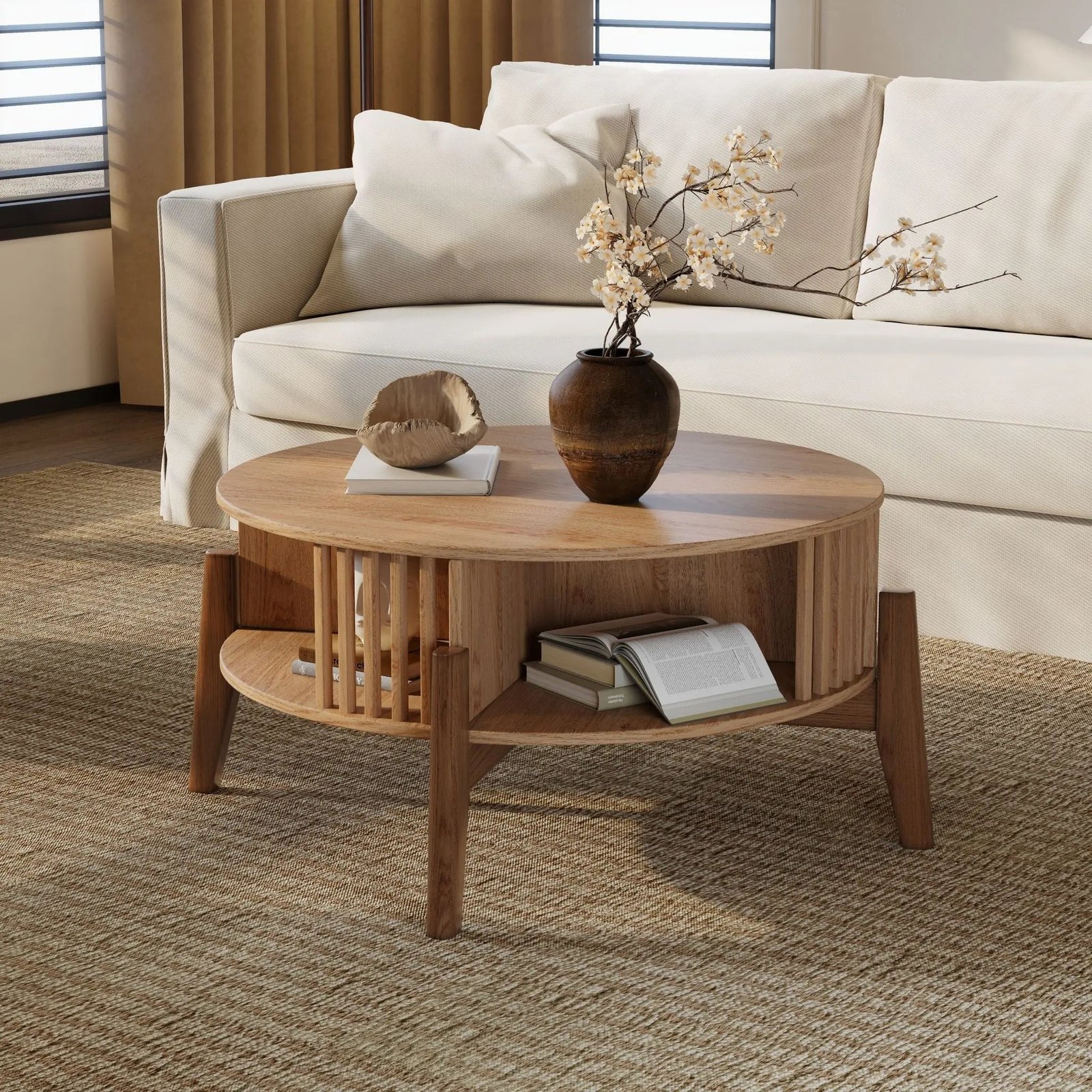
- Round
- Oval
- Irregular
- Nesting tables
- Abstract geometric designs
The shape should complement your seating arrangement and room architecture.
Rectangular Coffee Tables
Rectangular coffee tables are among the most versatile choices.
They work especially well with:
- Long sofas
- Three-seat sofas
- Large sectionals
- Traditional living rooms
- Contemporary interiors
- Open-plan spaces
A rectangular table creates a strong horizontal line that can visually connect the sofa with other furniture.
If your sofa is long, a rectangular table can fill the space effectively without appearing too small.
However, sharp corners may not be ideal for homes with young children or narrow walkways.
Square Coffee Tables
Square coffee tables work particularly well with larger seating arrangements.
They can be excellent for:
- Sectional sofas
- Four-sided seating arrangements
- Large living rooms
- Conversation areas
- Spacious family rooms
A square table can create a strong central focal point.
It also offers a generous tabletop, making it practical when several people regularly use the living room.
However, a large square table can overwhelm a small room.
Round Coffee Tables
Round coffee tables are popular because they soften the appearance of a room.
They are particularly useful when the room contains many straight lines.
A round table can complement:
- Sectional sofas
- Curved furniture
- Small living rooms
- Family rooms
- Contemporary interiors
- Rooms with children
Without sharp corners, round tables can also make circulation easier.
They allow people to move around the table without encountering prominent corners.
Oval Coffee Tables
Oval tables combine some of the benefits of rectangular and round designs.
They provide the elongated surface of a rectangular table while offering softer edges.
An oval table can be especially attractive in front of a long sofa where a completely round table would feel too small.
Oval designs can also help improve traffic flow.
Irregular and Organic Shapes
Modern interior design has increasingly embraced organic shapes.
Coffee tables with curved, sculptural, or asymmetrical silhouettes can become statement pieces.
These tables work especially well in:
- Contemporary rooms
- Modern interiors
- Artistic spaces
- Minimalist homes
- Japandi-inspired rooms
- Organic modern interiors
However, statement furniture should still respect the overall proportions of the room.
A sculptural coffee table can be beautiful without dominating everything around it.
Match the Table to the Sofa Shape
A useful design principle is to create a relationship between the coffee table and seating furniture.
A long rectangular sofa often works well with a rectangular or oval coffee table.
An L-shaped sectional may work with a large rectangular, square, or round table.
A curved sofa can look particularly attractive with a round or oval table.
If your furniture has many hard edges, introducing a round table can soften the room.
If your room already contains many curved shapes, a rectangular table can introduce structure.
This does not mean every element must match exactly.
Interior design is often more interesting when shapes complement rather than duplicate one another.
Choosing a Coffee Table for a Sectional Sofa
Sectional sofas create unique challenges because they are often larger than standard sofas.
A coffee table for a sectional should be large enough to visually connect with the entire seating area.
A tiny table placed in front of a large sectional may look lost.
For a large L-shaped sectional, consider:
- A large rectangular table
- A square table
- A large round table
- An oversized oval table
- A combination of nesting tables
The table should fit comfortably inside the open area created by the sectional.
Make sure the table does not block the chaise or prevent people from entering and leaving the seating area.
Coffee Tables for Small Living Rooms
Small rooms require careful planning.
A coffee table that works beautifully in a large living room may be completely unsuitable for a compact apartment.
For smaller spaces, consider:
- Round tables
- Oval tables
- Glass-top designs
- Nesting tables
- Lift-top tables
- Slim rectangular tables
- Tables with hidden storage
A round table can improve circulation because there are no sharp corners.
Glass or transparent materials can also create a lighter visual appearance.
Nesting tables provide flexibility. You can separate them when you need additional surfaces and stack them when you want more open floor space.
Coffee Tables for Large Living Rooms
Large rooms offer more freedom, but they also create a different challenge: avoiding furniture that looks too small.
A tiny coffee table can make a large seating area feel disconnected.
For a large room, consider:
- Oversized rectangular tables
- Large square tables
- Large round tables
- Double coffee tables
- Two matching tables
- Layered nesting tables
The goal is to give the seating area enough visual weight.
If the room contains multiple seating zones, you may also use more than one coffee table.
Double Coffee Tables
Using two coffee tables instead of one can create an interesting and practical arrangement.
Two tables may be:
- Identical
- Different sizes
- Different shapes
- Nesting
- Complementary materials
For example, a large round table could be paired with a smaller round table.
Two rectangular tables placed together can create a larger surface when needed.
This approach is particularly useful for flexible living rooms.
Nesting Coffee Tables
Nesting tables are excellent for homes where flexibility matters.
They typically consist of two or more tables designed to fit underneath each other.
When you need extra surface space, you can pull them apart.
When you do not, you can stack them together.
Benefits include:
- Space efficiency
- Flexible entertaining
- Multiple surfaces
- Easy rearrangement
- Decorative versatility
They are particularly useful in apartments and multifunctional rooms.
Choosing the Right Material
The material of the coffee table affects both appearance and practicality.
Popular options include:
- Wood
- Glass
- Metal
- Marble
- Stone
- Acrylic
- Engineered wood
- Concrete
- Mixed materials
Each has different advantages.
Wooden Coffee Tables
Wood is one of the most versatile materials.
Wooden coffee tables can create warmth and natural character.
They work well with:
- Traditional interiors
- Farmhouse styles
- Scandinavian rooms
- Japandi interiors
- Rustic homes
- Contemporary spaces
Different wood finishes can dramatically change the look.
Light oak creates an airy appearance.
Dark walnut can feel sophisticated.
Reclaimed wood can create rustic character.
The key is to coordinate the wood tone with other elements without making everything identical.
Glass Coffee Tables
Glass can make a room appear lighter and more open.
It is especially useful in small spaces because the transparent surface does not visually block the floor.
Glass works well with:
- Metal frames
- Wood bases
- Modern furniture
- Minimalist interiors
- Contemporary rooms
However, glass requires regular cleaning and may not be the best choice for every household.
Marble and Stone Coffee Tables
Marble and natural stone can add a sense of luxury.
They can work beautifully in sophisticated interiors.
However, natural stone can be heavy and may require more care.
Consider:
- Weight
- Staining
- Surface protection
- Cleaning requirements
- Delivery and installation
If you love the appearance of stone but want something easier to handle, engineered materials may provide alternatives.
Metal Coffee Tables
Metal tables can create a modern and industrial appearance.
They are often combined with:
- Glass
- Wood
- Stone
- Marble
Metal frames can make furniture look visually lighter while providing structural strength.
Black, brass, chrome, and brushed metal finishes can each create a different atmosphere.
Acrylic Coffee Tables
Acrylic furniture is useful when you want the function of a coffee table without adding significant visual weight.
Because acrylic is transparent, it can work well in compact rooms.
It is particularly suitable for modern and contemporary interiors.
Think About Your Lifestyle
The perfect coffee table depends on how you actually use your living room.
Do you regularly entertain guests?
Do children play in the room?
Do you eat meals while watching television?
Do you work from the sofa?
Do you keep books and magazines nearby?
Do you need hidden storage?
Do you prefer minimalist surfaces?
Your answers should influence your choice.
For Families With Children
Safety becomes especially important.
Consider:
- Rounded corners
- Stable construction
- Durable surfaces
- Easy-to-clean materials
- Tables without fragile decorative elements
Round or oval tables can be practical in busy family rooms.
For Entertaining
If you frequently host guests, prioritize tabletop space.
A larger table can provide room for:
- Drinks
- Snacks
- Serving trays
- Candles
- Decorative objects
However, avoid filling the entire surface with decoration.
Leave enough open space for practical use.
For Minimalist Homes
A minimalist coffee table should focus on clean lines and simplicity.
Look for:
- Simple silhouettes
- Neutral materials
- Limited visual clutter
- Functional design
- Quality construction
A single sculptural object or carefully selected book can be enough decoration.
Consider Storage
Coffee tables can provide valuable storage.
Options include:
- Lower shelves
- Drawers
- Cabinets
- Lift-top compartments
- Hidden storage
- Baskets
A table with a lower shelf can hold books, magazines, or baskets.
Drawers can hide remote controls and everyday items.
Lift-top designs can even create a temporary work surface.
Storage is particularly valuable in small homes where every piece of furniture needs to perform multiple functions.
Open Shelf vs. Hidden Storage
Open shelves are convenient because items are easy to access.
However, they can quickly look cluttered.
Hidden storage creates a cleaner appearance.
Choose based on your habits.
If you are naturally organized and enjoy displaying books, an open shelf may work well.
If you want the living room to look clean with minimal effort, drawers or cabinets may be more practical.
Think About the Rug
The coffee table should also work with the area rug.
Ideally, the coffee table and seating arrangement should feel connected to the rug rather than floating independently.
A common approach is to position the coffee table on the rug while allowing the sofa and chairs to relate visually to the same rug.
The rug should be appropriately sized for the seating arrangement.
A tiny rug beneath a large seating arrangement can make the furniture look disconnected.
The coffee table becomes part of this overall composition.
Match or Coordinate With Other Furniture
Your coffee table does not need to match your side tables, television console, and other furniture exactly.
In fact, using different but complementary materials can create a more sophisticated look.
For example:
- Wooden sofa + marble coffee table
- Fabric sofa + glass table
- Leather sofa + wood table
- Neutral seating + sculptural metal table
Instead of exact matching, look for common characteristics such as:
- Color
- Finish
- Shape
- Texture
- Material
- Design era
Color Selection
Neutral colors are versatile.
Common coffee table colors include:
- Natural wood
- Black
- White
- Gray
- Beige
- Brown
- Brass
- Metallic finishes
A neutral table can blend into many interior styles.
A bold-colored table can become a focal point.
If the rest of your room is neutral, a colorful or sculptural table can introduce personality.
If the room already contains several strong colors, a simple table may create balance.
Texture Matters
Interior design is not only about color.
Texture can add depth.
Consider combinations such as:
- Smooth marble with soft fabric
- Rough wood with polished metal
- Glass with woven baskets
- Matte surfaces with glossy accessories
A coffee table can help introduce another texture into the room.
This becomes especially important in neutral interiors.
Consider the Visual Weight
Two tables of the same size can look completely different depending on their design.
A solid dark wooden table has greater visual weight than a transparent glass table.
A table with thick legs may appear heavier than one with a thin metal frame.
This matters when balancing furniture.
If your sofa is large and visually heavy, a substantial table may work well.
If your sofa is delicate and raised on slim legs, a lighter coffee table may feel more appropriate.
Choose a Style That Fits Your Home
Modern
Modern coffee tables often feature:
- Clean lines
- Minimal decoration
- Glass
- Metal
- Simple geometric shapes
Contemporary
Contemporary designs may use:
- Sculptural forms
- Mixed materials
- Curved edges
- Unusual silhouettes
Scandinavian
Scandinavian tables often emphasize:
- Light wood
- Simple forms
- Functional design
- Soft colors
- Minimal visual weight
Industrial
Industrial designs commonly use:
- Metal
- Dark wood
- Exposed construction
- Strong geometric forms
Farmhouse
Farmhouse tables may feature:
- Natural wood
- Distressed finishes
- Chunky construction
- Rustic details
Traditional
Traditional coffee tables often use:
- Detailed woodwork
- Rich finishes
- Classic proportions
- Decorative legs
Japandi
Japandi interiors benefit from:
- Natural materials
- Simple shapes
- Low profiles
- Warm wood
- Minimal decoration
Round vs. Rectangular: Which Should You Choose?
This is one of the most common coffee table decisions.
Choose a rectangular table when:
- You have a long sofa
- The room has a long seating arrangement
- You need a large surface
- The room has strong linear architecture
Choose a round table when:
- You want easier circulation
- Your room is compact
- Your furniture has curved elements
- You want softer visual lines
- Children use the space
Choose an oval table when you want the elongated surface of a rectangular table with softer edges.
Coffee Table Proportions
Proportion is often more important than exact style.
A useful general principle is that the coffee table should have enough presence to relate to the sofa without overwhelming it.
For a standard sofa, a table around two-thirds the sofa’s length is often a useful starting point.
This is not a strict design law.
Your room layout may require a different proportion.
For example, a very large open room may need a larger table, while a narrow room may require a smaller one.
Leave Enough Walking Space
Never choose a coffee table without considering circulation.
People need to walk:
- Around the coffee table
- Between the sofa and other furniture
- Toward doors
- Toward windows
- Toward entertainment units
A beautiful table that blocks the main walking path will become frustrating.
Use temporary floor markings to test the layout before buying.
Consider Doorways and Delivery
This practical detail is often forgotten.
Before purchasing a heavy or oversized coffee table, make sure it can enter the home.
Measure:
- Door width
- Hallway width
- Staircases
- Elevator dimensions
- Turning spaces
Large stone tables can be particularly difficult to move.
Coffee Tables for Apartments
Apartment living often requires multifunctional furniture.
Consider:
- Lift-top tables
- Nesting tables
- Storage tables
- Round tables
- Slim designs
- Lightweight materials
A lift-top table can provide a temporary work surface.
A nesting design can provide extra surfaces when guests arrive.
Storage can reduce clutter.
Coffee Tables for Open-Plan Homes
Open-plan homes require furniture that helps define zones.
A coffee table can visually establish the living area.
The table should relate to:
- Sofa
- Rug
- Accent chairs
- Lighting
- Side tables
In an open-plan room, the coffee table can help create a distinct conversation zone without using walls.
Coffee Tables for TV Rooms
If the living room is primarily used for television viewing, consider how the table interacts with the TV console.
Avoid creating a layout where the table blocks movement or makes the room feel crowded.
A low-profile coffee table can work particularly well in media rooms.
Rounded edges can also improve circulation.
Coffee Tables for Formal Living Rooms
Formal spaces may prioritize visual elegance over heavy everyday use.
Consider:
- Marble
- Glass
- Elegant wood
- Sculptural designs
- Decorative metal
- Traditional details
The table can become a statement piece.
However, it should still provide enough practical surface area for the room’s intended use.
Coffee Tables for Casual Family Rooms
Family rooms benefit from durable and practical designs.
Look for:
- Easy-clean surfaces
- Strong construction
- Rounded corners
- Storage
- Scratch-resistant finishes
A family coffee table should be able to handle everyday life.
How to Style a Coffee Table
Once you choose the right table, styling can complete the look.
A simple arrangement can include:
- A stack of books
- A decorative tray
- A small vase
- A candle
- A sculptural object
Do not cover the entire tabletop.
Negative space is important.
Use a Tray
A tray can organize small items.
It also makes it easier to clear the table when you need more space.
Add Books
Coffee-table books can introduce color, texture, and personality.
Choose books that reflect your interests.
Add Natural Elements
Flowers, branches, and small plants can make the room feel more welcoming.
Use Different Heights
A visually interesting arrangement usually includes objects of different heights.
For example:
- Low book stack
- Medium bowl
- Taller vase
This creates visual variation.
Avoid Overdecorating
One of the most common coffee-table styling mistakes is using too many accessories.
A crowded table becomes less functional.
Instead, choose a few intentional objects.
The table should still have enough open space for everyday use.
Think About Maintenance
Every material has maintenance requirements.
Glass shows fingerprints.
Dark glossy finishes can show dust.
Natural stone may require special care.
Unfinished wood may be more vulnerable to stains.
Before purchasing, understand how much maintenance the surface requires.
The perfect coffee table is not only beautiful on the day you buy it. It should remain practical over time.
Durability and Construction
Look beyond appearance.
Check:
- Weight
- Stability
- Leg construction
- Surface quality
- Hardware
- Finish
- Joinery
A table that looks attractive but wobbles can become annoying very quickly.
If possible, inspect the table from different angles.
Check whether the legs feel secure and whether the tabletop is properly supported.
Budget Considerations
Coffee tables are available across a wide range of prices.
Before shopping, decide how much you want to spend.
Then prioritize features that matter most to you.
For example, you may prefer to spend more on:
- Better construction
- Natural materials
- Durable finishes
- Timeless design
Instead of paying extra for decorative features you do not need.
A well-designed affordable table can look excellent when properly scaled and styled.
Should You Buy a Designer Coffee Table?
A designer coffee table can become a major feature of a room.
However, brand name alone does not guarantee that the table will work in your space.
Consider:
- Size
- Proportion
- Comfort
- Construction
- Material
- Maintenance
- Style
A less expensive table that fits the room perfectly can be more successful than an expensive table that is poorly proportioned.
Common Coffee Table Mistakes
Choosing Based Only on Appearance
A table can look beautiful in a showroom but fail in your home.
Always consider function and dimensions.
Buying a Table That Is Too Large
This can restrict circulation and make the room feel crowded.
Buying a Table That Is Too Small
A tiny table may disappear visually in a large seating arrangement.
Ignoring Table Height
A table that is too high or too low can be uncomfortable.
Forgetting Walking Paths
Furniture placement should support movement.
Ignoring Storage Needs
If your living room frequently becomes cluttered, storage may be valuable.
Choosing Fragile Materials for High-Traffic Homes
A delicate table may not be suitable for children or pets.
Matching Everything Too Closely
A room can look flat when every piece comes from the same furniture collection.
Overdecorating
A coffee table should remain functional.
A Simple Coffee Table Selection Checklist
Before buying, ask yourself:
- Does the table fit the room?
- Is it proportional to the sofa?
- Is the height comfortable?
- Is there enough space around it?
- Does the shape work with the seating?
- Does the material suit my lifestyle?
- Is it easy to clean?
- Do I need storage?
- Is it stable?
- Does it work with the rug?
- Does it complement the other furniture?
- Can it be delivered into the room?
- Does it fit my budget?
- Will I still like the design in several years?
If the answer to most of these questions is yes, you are likely looking at a practical choice.
How to Use a Floor Plan
For more complicated rooms, create a simple floor plan.
Mark:
- Sofa
- Chairs
- Doors
- Windows
- TV
- Side tables
- Coffee table
You can use graph paper or a digital floor-planning application.
Try several table shapes.
You may discover that the table you originally wanted is not the best shape for your actual room.
The Importance of Scale
Scale refers to how large or small an object appears in relation to everything around it.
A coffee table should have a comfortable relationship with the seating.
Large furniture usually needs a substantial table.
Small furniture usually benefits from a lighter table.
But visual weight also matters.
A large glass table may feel visually lighter than a smaller solid wood table.
Understanding both physical size and visual weight can help you make a better decision.
Mixing Different Shapes
Do not be afraid to mix shapes.
A rectangular sofa with a round table can look sophisticated.
A round sofa with a rectangular table can create contrast.
A curved chair beside a square table can also work.
The goal is harmony rather than repetition.
Mixing Materials
Material combinations can add personality.
For example:
- Wood + metal
- Glass + wood
- Marble + brass
- Stone + wood
- Acrylic + metal
Mixed materials can help connect different furniture pieces throughout the room.
Sustainable Coffee Table Choices
If sustainability matters to you, consider furniture made from responsibly sourced materials.
Look for:
- Reclaimed wood
- Durable materials
- Repairable construction
- Long-lasting finishes
- Locally produced furniture
- Certified materials where relevant
The most sustainable furniture is often furniture that lasts for many years rather than needing frequent replacement.
Timeless vs. Trendy Designs
Trends can be attractive, but coffee tables are relatively permanent pieces of furniture.
If you prefer flexibility, choose a timeless silhouette.
If you love changing your interior frequently, a simpler table can provide a neutral foundation while accessories change around it.
Alternatively, a distinctive sculptural table can become the main statement piece.
The choice depends on your decorating habits.
When to Choose a Statement Coffee Table
A statement coffee table can work well when the rest of the room is relatively simple.
For example, a neutral sofa, simple rug, and minimal accessories can provide the perfect background for an unusual table.
The statement table becomes the focal point.
However, if the room already has a dramatic chandelier, patterned rug, bold artwork, and colorful furniture, another strong statement may create visual competition.
When a Simple Coffee Table Is Better
Choose a simple table when:
- The room already has strong focal points
- You prefer minimalist design
- You want flexibility
- You plan to change accessories often
- You want the furniture to feel timeless
Simple does not mean boring.
A beautifully proportioned wooden or stone table can have a strong visual presence without complicated decoration.
Coffee Table Alternatives
A traditional coffee table is not your only option.
You can also consider:
- Ottoman coffee tables
- Benches
- Storage trunks
- Two side tables
- Nesting tables
- Poufs
- Large trays on ottomans
An upholstered ottoman can provide both seating and a surface.
A large tray placed on top can create a stable area for drinks and accessories.
Ottoman vs. Coffee Table
Ottomans are especially useful in relaxed living rooms.
Advantages include:
- Softer edges
- Extra seating
- Comfortable footrest
- Flexible styling
However, an ottoman may not provide the same stable surface as a hard coffee table.
Your choice depends on how you use the room.
Consider Pets
Pet owners should think about durability and cleaning.
A table with delicate surfaces may not be ideal if pets frequently move through the room.
Consider:
- Stable construction
- Easy-clean materials
- Rounded edges
- Scratch resistance
- Accessible cleaning underneath
Consider Children
For homes with young children, safety should be a priority.
Rounded tables can reduce the risk associated with sharp corners.
Stable construction is also important.
Avoid unstable furniture that can easily tip or move.
Consider Accessibility
A coffee table should allow people to comfortably move and reach their belongings.
If someone in the household has mobility limitations, carefully consider:
- Table height
- Clearance
- Walking space
- Sharp corners
- Stability
Furniture should support comfortable everyday use rather than simply looking attractive.
The Perfect Coffee Table Is About Balance
There is no single coffee table that is perfect for every home.
The right choice depends on the relationship between the table, seating, room, lifestyle, and personal taste.
A successful coffee table should balance:
- Size
- Shape
- Height
- Function
- Material
- Style
- Comfort
- Durability
- Storage
- Budget
When these factors work together, the coffee table becomes more than a decorative object.
It becomes an important part of the room’s architecture.
Final Thoughts
Choosing the perfect coffee table for your seating setup requires more thought than simply selecting a design you like.
Start with measurements.
Understand the size and shape of your seating.
Leave enough room for comfortable movement.
Choose a table height that works with the sofa.
Then consider shape, material, storage, color, texture, and style.
For a long sofa, a rectangular or oval table may provide the right proportions. For a smaller room, a round or transparent table can help preserve visual openness. For a large sectional, a substantial square, rectangular, or round table may create better balance. If flexibility is important, nesting tables or an ottoman may be more useful.
Most importantly, think about how your household actually uses the living room.
A coffee table should support real life.
It should provide a convenient surface for drinks, books, snacks, and everyday objects while also helping the room look cohesive and inviting.
Do not be afraid to mix materials or shapes. Your coffee table does not have to match every other piece of furniture. Instead, it should complement the overall design and contribute to a balanced composition.
Before buying, measure the room, mark the proposed table dimensions on the floor, and evaluate walking paths. This simple preparation can prevent expensive mistakes.
The best coffee table is ultimately the one that feels natural in your space. It should be easy to reach, comfortable to live with, visually balanced, and appropriate for your lifestyle.
When carefully selected, a coffee table can transform an ordinary seating arrangement into a polished and functional living area.
A beautiful living room is not created by choosing individual pieces in isolation. It comes from understanding how every piece works with the others. Your sofa, chairs, rug, lighting, side tables, accessories, and coffee table should form one cohesive environment.
Choose your coffee table with that bigger picture in mind, and you can create a seating setup that is comfortable, practical, stylish, and built to enjoy for years.