Biophilic Interior Design: Simple Ways to Bring Nature Indoors
Biophilic interior design has become one of the most appealing approaches to modern home decorating. At its heart, biophilic design is about creating stronger connections between people and nature through the spaces where they live and work. Instead of treating nature as something that belongs only outdoors, this design philosophy brings natural elements, materials, colors, textures, light, plants, and organic shapes into everyday interiors.
You do not need a huge house, expensive furniture, or a professional interior designer to create a biophilic home. Even small and simple changes can make a room feel more natural, comfortable, fresh, and visually relaxing. A few indoor plants, wooden furniture, natural fabrics, better access to daylight, earthy colors, or nature-inspired artwork can completely change the atmosphere of an ordinary room.
Modern lifestyles often keep people indoors for long periods. Work, study, entertainment, shopping, and social activities increasingly happen inside buildings. Because of this, thoughtful interior design can play an important role in making indoor spaces feel less disconnected from the natural world.
This guide explores practical and affordable ways to introduce biophilic interior design into every part of your home. Whether you live in a small apartment, a family house, a rental property, or a large modern home, you can adapt these ideas to your space.
What Is Biophilic Interior Design?
Biophilic interior design is an approach to decorating and planning interiors around the human connection with nature. The word “biophilia” is commonly associated with the idea that humans have an inherent attraction to living systems and natural environments.
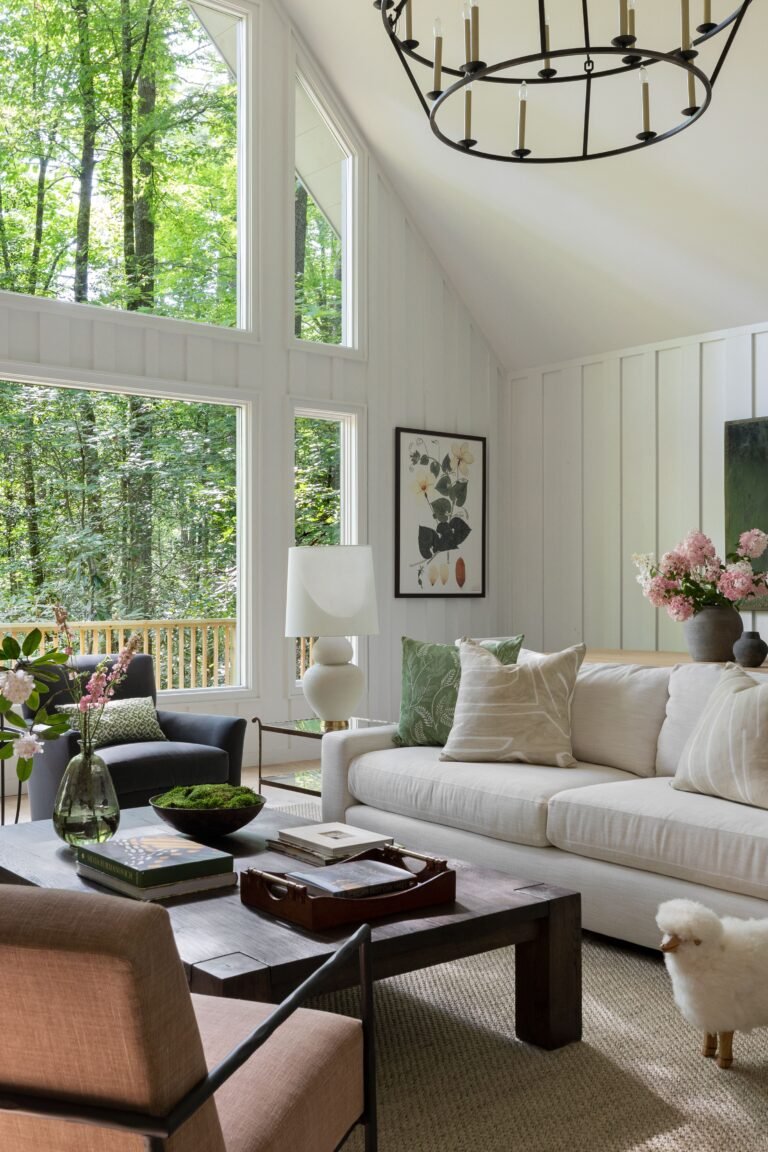
In interior design, this concept can involve much more than simply placing plants around a room. Plants are certainly one of the easiest ways to create a natural atmosphere, but biophilic design can also include natural daylight, fresh air, water features, natural materials, organic patterns, nature-inspired colors, views of greenery, natural textures, and layouts that create a stronger connection with the outdoors.
A successful biophilic interior usually feels natural rather than artificial. It does not necessarily look like a greenhouse or a jungle. Instead, it creates subtle visual and sensory reminders of nature.
For example, a living room could feature:
- A large leafy plant near a window
- A wooden coffee table
- Linen curtains
- Earthy wall colors
- A woven rug
- Natural stone accessories
- Nature-inspired artwork
- Plenty of daylight
- Furniture with curved, organic forms
None of these elements has to dominate the room. Together, however, they can create a calm and nature-connected environment.
Why Is Biophilic Design Becoming Popular?
The popularity of biophilic interiors is connected to several changes in modern lifestyles. Many people spend much of their day indoors, surrounded by screens, technology, artificial lighting, and manufactured materials.
Homes have increasingly become multifunctional environments. A bedroom may also be a workplace. A dining room may become a study area. A living room may function as an entertainment center, office, and social space.
Because interiors have become so important to daily life, people are increasingly interested in creating spaces that feel comfortable and restorative.
Biophilic design offers a flexible way to achieve this without requiring a complete renovation.
Another reason for its popularity is its versatility. Nature-inspired design can work with many decorating styles, including:
- Minimalist interiors
- Scandinavian interiors
- Modern homes
- Rustic spaces
- Contemporary apartments
- Traditional homes
- Japandi interiors
- Bohemian rooms
- Coastal interiors
- Industrial spaces
The key is choosing natural elements that complement the existing style.
The Main Principles of Biophilic Interior Design
Before adding individual decorations, it helps to understand the basic principles behind biophilic interiors.
1. Bring Living Plants Indoors
Indoor plants are probably the most recognizable feature of biophilic design. They add color, texture, shape, and life to interiors.
You can use large floor plants, small tabletop plants, hanging plants, shelf plants, or window plants.
Popular choices include:
- Snake plants
- Pothos
- Spider plants
- ZZ plants
- Rubber plants
- Peace lilies
- Philodendrons
- Monstera varieties
- Ferns
- Herbs
The right plant depends on your available light, humidity, temperature, and ability to care for it.
If you are a beginner, start with low-maintenance plants rather than buying many difficult species at once.
Create a Plant Corner
One simple strategy is to create a dedicated plant corner.
Place one large plant on the floor and surround it with two or three smaller plants at different heights. Add a woven basket or simple wooden plant stand.
Varying plant heights creates visual depth and makes the arrangement feel more natural.
Use Plants as Decorative Accessories
Plants do not have to occupy large amounts of space.
A small plant on a bookshelf can soften a rigid arrangement. A tiny herb garden can brighten a kitchen windowsill. A hanging plant can bring greenery into a room without taking up floor space.
2. Maximize Natural Light
Natural light is one of the most important components of a nature-connected interior.
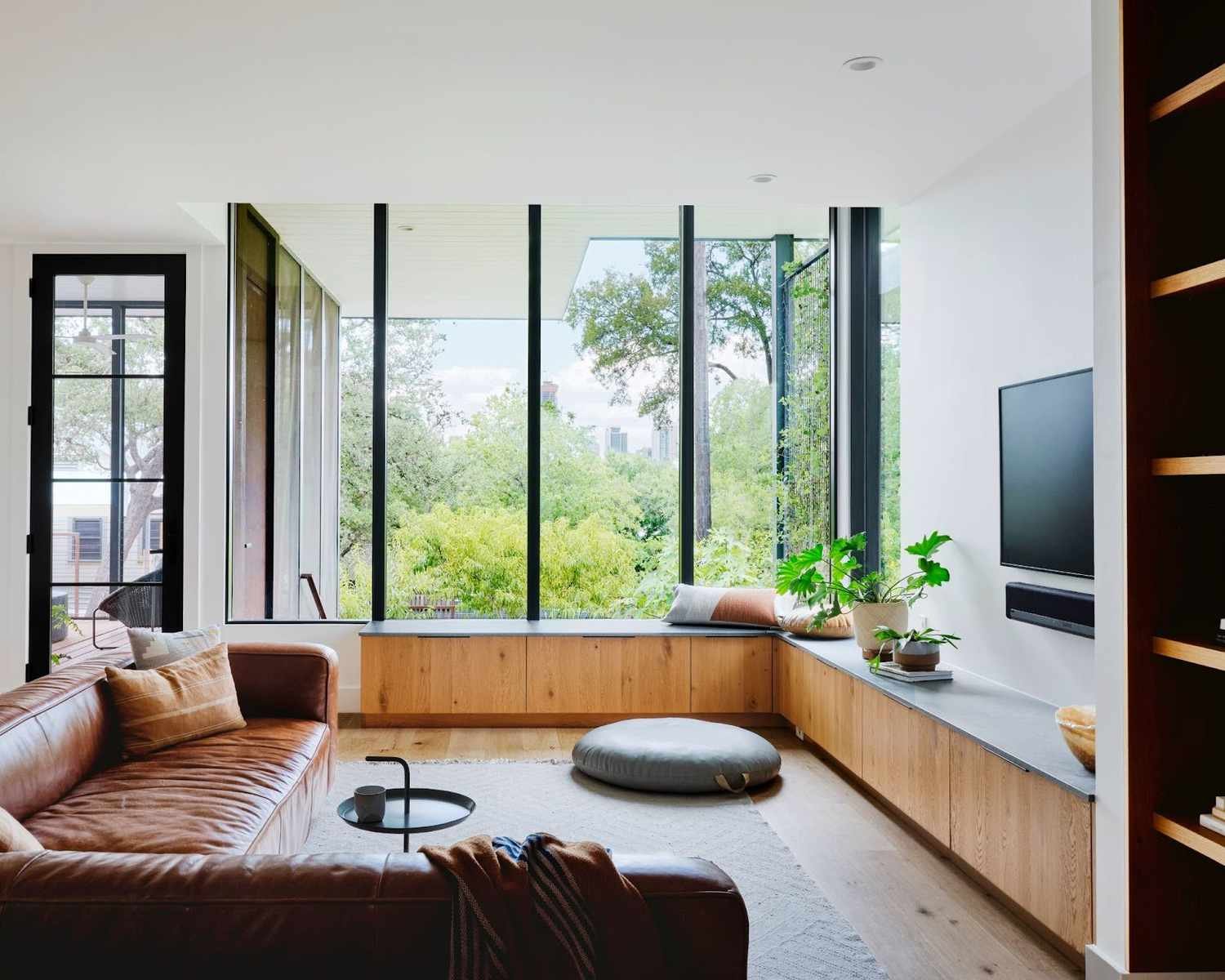
Large windows are ideal, but you can improve daylight even when your windows are small.
Start by keeping windows clean and avoiding unnecessary objects that block sunlight.
Use lightweight curtains instead of very heavy window coverings when privacy allows. Sheer or linen-style curtains can soften incoming light while maintaining an airy atmosphere.
Mirrors can also help distribute natural light throughout a room. Place a mirror where it can reflect daylight into a darker part of the space.
Avoid Blocking Windows
Large furniture directly in front of a window can reduce both sunlight and the visual connection to the outdoors.
Whenever possible, maintain a clear view around windows.
Even a small view of trees, plants, sky, or greenery can become a valuable natural feature.
3. Use Natural Materials
Natural materials can make a room feel warmer and more connected to the outdoors.
Common materials include:
- Wood
- Stone
- Bamboo
- Rattan
- Cork
- Jute
- Cotton
- Linen
- Wool
- Clay
- Terracotta
You do not need to use all of them in one room.
A wooden side table, jute rug, linen curtains, and ceramic accessories may be enough to establish a natural material palette.
Choose Materials With Visible Texture
Materials that show their natural texture often create a stronger visual connection to nature.
Instead of completely smooth synthetic surfaces, consider wood grain, woven fibers, natural stone patterns, handmade ceramics, and textured fabrics.
Texture makes interiors feel more layered and tactile.
4. Introduce Earthy Colors
Color has a major effect on how a room feels.
Biophilic interiors commonly use colors inspired by natural environments.
Examples include:
- Soft greens
- Warm beige
- Sand
- Cream
- Terracotta
- Brown
- Warm gray
- Clay
- Olive
- Muted blue
- Soft yellow
Green is especially popular because it directly reminds people of plants and landscapes.
However, a successful biophilic palette does not need to be dominated by green.
You could use warm beige walls with olive cushions, wooden furniture, cream textiles, and a few green plants.
Use Nature as Your Color Inspiration
Look outside for inspiration.
Imagine the colors of a forest:
- Deep green leaves
- Brown tree trunks
- Soft moss
- Warm earth
- Pale sunlight
Or consider a coastal environment:
- Sandy beige
- Soft blue
- White
- Driftwood brown
- Muted green
This approach creates more natural-looking combinations than randomly selecting colors.
5. Add Organic Shapes
Nature rarely consists of perfect straight lines and identical geometric forms.
Trees curve. Leaves have irregular shapes. Stones vary in size. Rivers bend. Flowers have soft and organic structures.
You can bring this visual quality indoors by choosing furniture and accessories with curved shapes.
Consider:
- Round coffee tables
- Curved sofas
- Arched mirrors
- Rounded lamps
- Organic-shaped rugs
- Circular dining tables
- Curved shelves
- Irregular ceramic objects
You do not need to replace all your furniture.
One curved chair or round coffee table can soften a room filled with straight lines.
6. Bring in Natural Textures
Texture is an important part of creating a nature-inspired atmosphere.
A room can have beautiful colors and plants but still feel artificial if every surface is perfectly smooth and synthetic.
Introduce tactile materials such as:
- Linen
- Cotton
- Wool
- Jute
- Rattan
- Woven baskets
- Wood
- Stone
- Ceramic
- Terracotta
Layering these textures creates depth.
For example, combine a soft cotton sofa with a woven throw, a jute rug, wooden furniture, and ceramic accessories.
7. Create Views of Nature
If your home already has a garden, balcony, courtyard, trees, or natural landscape nearby, make the most of it.
Arrange furniture so that people can comfortably see outside.
A chair positioned toward a garden can create a stronger connection with nature than a chair facing a television.
If the outdoor view is limited, you can improve it by placing plants near windows.
Even a small balcony filled with greenery can become a visual extension of an indoor room.
Biophilic Design Ideas for the Living Room
The living room is often the easiest place to begin because it usually has enough space for plants, textiles, furniture, and decorative objects.
Create a Green Focal Point
Instead of making the television the only visual focal point, introduce a strong natural feature.
A large indoor plant can serve as a focal point in one corner.
Choose a container that complements the room. Woven baskets, ceramic pots, terracotta containers, and simple stone-colored planters work particularly well.
Add a Wooden Coffee Table
A natural wood coffee table can immediately warm up a living room.
Look for visible grain and a natural finish.
If your existing coffee table is made from another material, add a wooden tray or small wooden accessories instead of replacing it.
Layer Natural Fabrics
Use cotton, linen, wool, or other natural-looking fabrics for cushions and throws.
Instead of choosing identical cushions, mix subtle textures.
For example:
- One linen cushion
- One woven cushion
- One soft cotton cushion
- One textured neutral cushion
This creates a relaxed appearance.
Use Nature-Inspired Artwork
Artwork featuring forests, mountains, leaves, flowers, water, beaches, or botanical illustrations can reinforce the connection with nature.
Abstract artwork inspired by natural colors and shapes can also work.
The goal is not to make the room look themed. Choose artwork that feels calm and integrated with the overall design.
Biophilic Bedroom Ideas
The bedroom should feel peaceful and comfortable, making it a natural place for biophilic design.
Use Soft Natural Colors
Bedrooms benefit from gentle shades such as:
- Warm white
- Beige
- Sage green
- Soft olive
- Pale blue
- Sand
- Warm gray
Avoid using too many intense colors if your goal is a calm atmosphere.
Choose Breathable Bedding
Cotton and linen bedding can create a relaxed, natural look.
Layer different textures rather than relying on heavy decorative patterns.
A simple combination of neutral sheets, a textured blanket, and a few nature-inspired cushions can create a comfortable appearance.
Add One or Two Plants
Plants can work beautifully in bedrooms, but there is no need to turn the room into a jungle.
A small plant on a bedside table or a larger plant near a window may be enough.
Choose species appropriate for the room’s light conditions and your maintenance routine.
Use Wooden Furniture
Wooden nightstands, bed frames, dressers, or benches can add warmth.
If replacing furniture is not practical, introduce smaller wooden accessories such as trays, frames, stools, or decorative boxes.
Biophilic Kitchen Design
Kitchens can also benefit from natural elements.
Create a Herb Windowsill
A kitchen windowsill is an excellent location for herbs.
Consider growing:
- Basil
- Mint
- Rosemary
- Thyme
- Parsley
- Oregano
Fresh herbs provide both visual greenery and a practical function.
Add Wooden Cutting Boards
Wooden cutting boards are useful kitchen tools that can also act as decorative elements.
Display a few attractive boards against the backsplash when appropriate.
Use Natural Storage
Woven baskets can be used for:
- Towels
- Produce
- Cookbooks
- Small kitchen accessories
Wooden shelves can also soften a kitchen filled with metal and stone surfaces.
Introduce Terracotta and Ceramic
Handmade ceramic bowls, clay pots, and terracotta accessories can introduce earthy textures.
These materials work especially well with neutral kitchens.
Biophilic Bathroom Ideas
Bathrooms can become particularly relaxing when designed around natural elements.
Add Greenery
Bathrooms with good natural light and appropriate humidity can be suitable for certain plants.
Hanging plants can work especially well because they use vertical space.
Use Stone-Like Materials
Natural stone or stone-inspired tiles can introduce an outdoor feeling.
You can also use stone accessories such as soap dishes, trays, or decorative containers.
Introduce Wood Carefully
Wooden bathroom accessories can add warmth, but they should be appropriate for humid environments and maintained properly.
A wooden stool, bath mat, tray, or storage accessory may be enough.
Add Natural Scents
Although scent is not a visual element, it can influence how a room feels.
Natural-inspired scents such as eucalyptus, cedar, lavender, or citrus can complement a biophilic bathroom.
Use fragrance products according to household safety requirements, especially around children and pets.
Small Apartment Biophilic Design
You do not need a large home to use biophilic design.
Small spaces can actually benefit greatly from natural elements because plants, wood, and light can make compact rooms feel more inviting.
Use Vertical Space
When floor space is limited, go upward.
Use:
- Wall-mounted plant shelves
- Hanging planters
- Tall narrow plants
- Vertical gardens
- Floating wooden shelves
This allows you to introduce greenery without sacrificing valuable floor space.
Choose Multi-Purpose Furniture
A wooden bench can provide seating and storage.
A small plant stand can double as a side table.
A woven basket can store blankets while adding texture.
This approach keeps a small home functional and uncluttered.
Keep the Palette Simple
Too many colors can make a small room feel visually busy.
Choose two or three main natural colors and repeat them throughout the space.
Biophilic Design for a Home Office
A home office should support focus while remaining comfortable.
Place Your Desk Near a Window
If possible, position your desk where you can access natural daylight.
A view of plants, trees, sky, or a garden can make the workspace visually more interesting.
Add a Small Plant
A desk plant is one of the simplest ways to introduce biophilic design.
Choose a plant that matches the light level and maintenance you can provide.
Use Wooden Accessories
Wooden monitor stands, desk organizers, trays, frames, or shelves can soften an office dominated by electronics.
Reduce Visual Clutter
Biophilic design is not simply about adding more things.
Nature-inspired interiors often work best when they maintain visual breathing room.
Keep cables organized and remove unnecessary objects from the desk.
Using Natural Light and Artificial Lighting Together
Natural daylight should be prioritized whenever possible, but artificial lighting is also important.
In the evening, use warm and comfortable lighting to maintain the atmosphere created during the day.
Consider a combination of:
- Ceiling lighting
- Floor lamps
- Table lamps
- Wall lights
- Accent lighting
Lamps made from wood, paper, woven fibers, or natural-looking materials can reinforce the design.
Avoid relying on a single harsh overhead light for every activity.
Layered lighting creates a more comfortable environment.
Biophilic Interior Design on a Budget
Biophilic design does not have to be expensive.
In fact, some of the most effective changes are inexpensive.
Start With Plants
Buy a few healthy plants rather than dozens of decorative items.
Choose plants that suit your home environment.
Rearrange Furniture
Changing furniture placement can improve access to windows and outdoor views without spending anything.
Use Second-Hand Wood Furniture
Second-hand wooden tables, stools, chairs, and shelves can bring natural warmth to a room.
Older wood furniture may also provide character that new mass-produced pieces lack.
Add Natural Textiles
You do not need to replace every textile.
Start with one woven rug, linen-style curtains, cotton cushions, or a textured throw.
Collect Natural-Inspired Accessories Slowly
Instead of buying everything at once, gradually collect:
- Ceramic bowls
- Wooden trays
- Woven baskets
- Stone objects
- Botanical prints
- Terracotta pots
A slower approach can result in a more personal interior.
Biophilic Design for Renters
Renters often face restrictions on painting, drilling, or making permanent changes.
Fortunately, many biophilic ideas are temporary.
Use:
- Freestanding plant stands
- Removable hooks
- Portable shelves
- Potted plants
- Wooden furniture
- Woven rugs
- Natural curtains
- Freestanding mirrors
- Temporary artwork
A rental home can still feel strongly connected to nature without permanent renovations.
Natural Materials vs. Synthetic Materials
Biophilic design does not mean every item in your home must be made from natural materials.
Modern interiors naturally contain electronics, plastics, metals, engineered materials, and synthetic products.
The goal is balance.
A room with a television, computer, metal lamp, and synthetic sofa can still have a strong natural character if it also contains plants, wood, natural textiles, daylight, and organic shapes.
Think about the overall sensory experience rather than following rigid rules.
The Role of Water in Biophilic Design
Water is another natural element that can influence the atmosphere of an interior.
Large indoor water features are not practical for every home, but smaller options can be considered.
Examples include:
- Small tabletop fountains
- Decorative water bowls
- Aquariums
- Views of outdoor water
- Water-inspired artwork
If using a water feature, consider maintenance, humidity, noise, cleaning, and household safety.
A water feature should improve the space rather than become a difficult maintenance project.
Nature-Inspired Patterns
Patterns can reinforce the natural theme.
Look for designs inspired by:
- Leaves
- Branches
- Flowers
- Waves
- Clouds
- Stones
- Trees
- Botanical forms
These patterns can appear on cushions, curtains, rugs, wallpaper, artwork, or bedding.
Use them carefully.
If every surface contains a botanical pattern, the room may become visually overwhelming.
One statement pattern combined with simpler textures often works better.
Biophilic Minimalism
Biophilic design and minimalism can work together beautifully.
You do not need many plants or decorations.
A minimalist biophilic room might include:
- One large plant
- A simple wooden table
- Neutral walls
- A natural rug
- Linen curtains
- One piece of botanical artwork
The room remains uncluttered while still feeling connected to nature.
This approach is especially useful for people who prefer clean and organized interiors.
Biophilic Scandinavian Interiors
Scandinavian interiors already emphasize natural light, wood, simplicity, and comfortable textures.
To add a stronger biophilic element, introduce:
- Green plants
- Pale wood
- Soft green accents
- Wool textiles
- Woven baskets
- Natural stone accessories
Keep the palette light and avoid unnecessary decoration.
Biophilic Japandi Interiors
Japandi design combines Japanese simplicity with Scandinavian warmth.
It is naturally compatible with biophilic principles.
Choose:
- Natural wood
- Bamboo
- Neutral colors
- Simple ceramics
- Low furniture
- Green plants
- Organic shapes
Focus on balance rather than excess.
Creating a Biophilic Dining Area
Dining spaces can feel warmer with natural materials.
A wooden dining table immediately introduces a natural focal point.
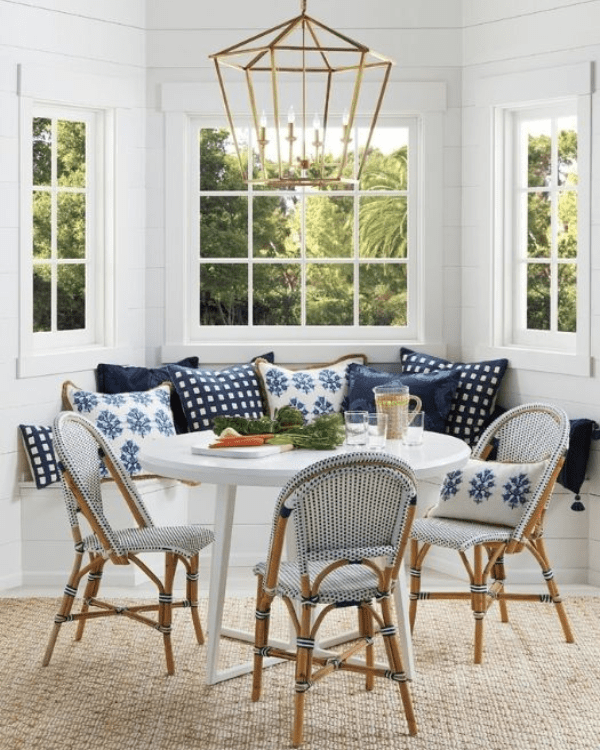
Add woven chairs, linen napkins, ceramic plates, and a simple plant centerpiece.
Instead of a large artificial centerpiece, consider a small arrangement of fresh branches or greenery when practical.
Natural materials make everyday meals feel more connected to the environment.
Biophilic Entryway Ideas
The entryway creates the first impression of your home.
A small plant, wooden bench, woven basket, and natural fiber rug can transform an otherwise empty entrance.
If space is limited, use one tall plant or a small wall-mounted planter.
A mirror can reflect natural light and make the entryway feel larger.
Bringing Nature Into Dark Rooms
Dark rooms can still use biophilic design.
Choose plants that tolerate lower light conditions rather than forcing sun-loving plants into dark corners.
Use lighter natural colors to increase the sense of openness.
Mirrors can help distribute available light.
Wood and warm-toned accessories can prevent the room from feeling cold.
If natural light is genuinely insufficient, select appropriate artificial lighting while keeping the room visually connected to nature through materials, plants, textures, and colors.
Indoor Trees as Statement Pieces
If your room has enough space and light, an indoor tree can become a major design feature.
Examples may include suitable varieties of:
- Fiddle-leaf fig
- Rubber tree
- Indoor palms
- Olive-type indoor trees where conditions allow
Before buying a large plant, research its mature size and environmental requirements.
A plant that looks small in a store may eventually become a major part of the room.
Biophilic Design and Seasonal Changes
One advantage of nature-inspired interiors is that they can change naturally with the seasons.
In spring, introduce fresh green colors and lighter textiles.
During summer, emphasize breathable fabrics and bright natural light.
In autumn, use warm earth tones and textured fabrics.
In winter, add wool, heavier natural textures, warm lighting, and earthy colors.
This keeps the interior visually connected to the changing outdoor environment.
Common Biophilic Design Mistakes
Although biophilic design is flexible, several common mistakes can reduce its effectiveness.
Adding Too Many Plants
More plants do not automatically mean better design.
Too many plants can make maintenance difficult and create clutter.
Choose plants based on your actual space and care routine.
Ignoring Natural Light
A room can contain beautiful plants and natural materials but still feel disconnected from nature if windows are blocked and daylight is ignored.
Using Only Green
Biophilic design is not simply a green color scheme.
Combine green with wood, beige, cream, brown, blue, stone, and other natural tones.
Mixing Too Many Natural Materials
Wood, stone, bamboo, rattan, jute, cork, clay, and linen can all be beautiful, but using too many competing textures can make a room feel chaotic.
Choose a few materials and repeat them consistently.
Creating a Theme Instead of a Home
A biophilic interior should not look like a jungle-themed restaurant.
Use natural elements subtly.
The objective is to create a comfortable home, not to recreate an entire forest indoors.
How to Start a Biophilic Interior Design Project
If you want to transform your home, avoid changing everything at once.
Start with an assessment.
Step 1: Study Your Space
Look at:
- Natural light
- Window views
- Existing furniture
- Available floor space
- Wall colors
- Current materials
- Storage requirements
Identify what already works.
Step 2: Choose a Natural Color Palette
Select three to five colors inspired by nature.
For example:
- Warm white
- Beige
- Olive green
- Natural brown
- Soft terracotta
Step 3: Add Plants
Start with two or three plants appropriate for your environment.
Place them where they can become visible parts of the room.
Step 4: Introduce Natural Materials
Add wood, woven fibers, cotton, linen, stone, ceramic, or other natural-looking materials.
Step 5: Improve Lighting
Maximize daylight during the day and use layered, comfortable lighting at night.
Step 6: Add Organic Shapes
Introduce one or two curved or irregular objects.
Step 7: Remove Unnecessary Clutter
Biophilic interiors often benefit from simplicity.
Remove objects that do not serve a practical or aesthetic purpose.
A Room-by-Room Biophilic Checklist
Living Room
- Add one large plant
- Use natural textiles
- Introduce wood
- Keep windows clear
- Add earthy colors
- Include organic shapes
Bedroom
- Choose calming colors
- Use breathable bedding
- Add a small plant
- Introduce wood
- Use soft lighting
- Reduce visual clutter
Kitchen
- Grow herbs
- Add wooden accessories
- Use ceramic pieces
- Introduce woven storage
- Keep natural light visible
Bathroom
- Add suitable greenery
- Use stone-inspired surfaces
- Introduce natural textures
- Consider nature-inspired scents
- Keep the space uncluttered
Home Office
- Position the desk near natural light
- Add a desk plant
- Use wooden accessories
- Organize cables
- Keep the view open
How to Make Biophilic Design Look Expensive
A natural interior does not need expensive products to look sophisticated.
Focus on consistency.
Use a limited color palette.
Choose materials with visible texture.
Avoid excessive decoration.
Buy fewer but better-coordinated pieces.
Repeat natural materials throughout the room.
For example, if you use light wood furniture, repeat a similar wood tone in a frame, tray, shelf, or lamp.
This creates visual harmony.
Sustainable Thinking and Biophilic Design
Biophilic design often overlaps with sustainable interior choices, but the two concepts are not identical.
A product can look natural without being environmentally responsible.
When shopping, consider durability, material sourcing, repairability, longevity, and whether the item is genuinely useful.
Choosing durable furniture that can remain in your home for years may be more valuable than constantly replacing decorative pieces.
Second-hand furniture can also be an effective option.
Instead of buying a new table, consider restoring an existing wooden table.
This gives the object a new life while adding character to your interior.
Biophilic Design for Families
Homes with children need practical solutions.
Avoid placing fragile ceramic objects or potentially hazardous plants within easy reach of young children.
Choose sturdy plant stands and secure tall furniture appropriately.
Create natural play areas using wooden toys, cotton textiles, woven baskets, and soft rugs where practical.
Biophilic design should support everyday family life rather than make the home difficult to use.
Biophilic Design for Pet Owners
Pets also need to be considered.
Some common houseplants can be harmful if eaten by pets, so research plant safety before bringing new greenery into your home.
Place plants securely and avoid unstable containers.
Choose washable natural-looking textiles when possible.
A biophilic home should be safe and comfortable for every member of the household.
The Psychological Appeal of Nature-Inspired Interiors
People often describe natural environments as calming, refreshing, peaceful, or restorative.
Interior design cannot replace outdoor experiences, but it can introduce visual and sensory reminders of natural environments.
A room with daylight, plants, natural textures, and organic forms can feel different from a room dominated entirely by artificial surfaces and harsh lighting.
The exact experience will vary from person to person, but the broader principle is simple: design your home in a way that makes you feel comfortable and connected to the environment.
How to Combine Technology With Biophilic Design
Modern homes contain many electronic devices.
Televisions, computers, speakers, routers, smart-home devices, chargers, and appliances are part of everyday life.
Biophilic design does not require hiding all technology.
Instead, integrate technology into the room.
Use cable management.
Choose furniture that provides organized storage.
Avoid allowing electronics to dominate every surface.
Balance a television with plants, artwork, wood, and other natural elements.
In a home office, pair a modern computer setup with a wooden desk, natural light, and greenery.
This creates a balanced environment rather than an environment that feels purely technological.
Creating a Biophilic Outdoor-Indoor Connection
If your home has a balcony, patio, terrace, courtyard, or garden, treat it as part of the overall design.
Use similar colors and materials indoors and outdoors.
For example, a living room with beige textiles and wooden furniture can connect visually with a balcony containing wooden planters and earthy-colored outdoor furniture.
Large windows or glass doors can strengthen this relationship.
Even when the outdoor area is small, consistent design elements can make it feel like an extension of the interior.
Biophilic Design for Small Bedrooms
Small bedrooms require careful planning.
Choose a narrow plant stand rather than several large pots.
Use wall-mounted shelves for small plants.
Choose light colors.
Use a mirror to increase visual depth.
Select bedding with subtle botanical patterns instead of large busy prints.
Keep furniture away from windows when possible.
A small bedroom can feel natural without becoming crowded.
Biophilic Design for Open-Plan Homes
Open-plan spaces benefit from consistent natural materials.
Use the same wood tone across different areas.
Repeat colors between the kitchen, dining room, and living room.
Plants can also help define zones.
For example, a tall plant can visually separate the living area from a workspace without requiring a wall.
Rugs can define individual zones while maintaining the open feeling.
Using Fragrance as a Natural Design Element
Interior design is often visual, but homes are experienced through multiple senses.
Natural-inspired fragrances can complement a biophilic environment.
Popular scent profiles include:
- Cedar
- Pine
- Lavender
- Citrus
- Eucalyptus
- Fresh herbs
- Floral notes
Choose scents according to personal preference and household safety.
The fragrance should be subtle rather than overpowering.
Using Sound to Strengthen a Natural Atmosphere
Sound can also influence how a room feels.
If your home is located in a noisy environment, soft furnishings can help reduce harsh echoes.
Rugs, curtains, upholstered furniture, and textiles can make a room acoustically softer.
Some people also enjoy natural sound recordings such as rainfall, flowing water, or birdsong.
However, these are optional additions rather than requirements.
Biophilic Design Does Not Mean Perfection
One of the most attractive aspects of nature is its imperfection.
Leaves have different shapes.
Wood has knots and variations.
Stone has irregular patterns.
Handmade ceramics may have small differences.
Do not feel that every natural material needs to look perfectly uniform.
Small imperfections can make an interior feel more authentic and personal.
Frequently Asked Questions About Biophilic Interior Design
What is the easiest way to start biophilic interior design?
Start with plants, natural light, and natural textures. These three changes can create a noticeable difference without requiring major renovations.
Does biophilic design require many plants?
No. Plants are important but not essential in large numbers. Natural light, wood, stone, organic shapes, natural colors, and outdoor views can also create a biophilic atmosphere.
Is biophilic design expensive?
It can be expensive if you choose premium furniture and major renovations, but it does not have to be. Plants, second-hand wood furniture, natural textiles, and simple accessories can create a natural atmosphere on a modest budget.
Can biophilic design work in a small apartment?
Yes. Use vertical space, small plants, natural colors, mirrors, wooden accessories, and lightweight textiles.
What colors work best for biophilic interiors?
Common choices include green, beige, brown, cream, terracotta, muted blue, olive, and warm gray. The best palette depends on the environment and overall style of the home.
Can modern interiors use biophilic design?
Absolutely. Modern interiors can combine clean lines and contemporary furniture with plants, wood, natural stone, organic shapes, and earthy colors.
Is biophilic design the same as sustainable design?
No. The concepts overlap but are different. Biophilic design focuses on strengthening the relationship between people and nature, while sustainable design focuses more broadly on environmental impact, resource use, durability, and responsible production.
What plants are good for beginners?
Low-maintenance varieties such as snake plants, pothos, spider plants, and ZZ plants are commonly chosen by beginners. Always consider your home’s lighting and the specific care requirements of the plant.
Can renters use biophilic design?
Yes. Renters can use portable plants, freestanding shelves, wooden furniture, rugs, removable artwork, woven accessories, and natural textiles without making permanent alterations.
How can I make my bedroom more biophilic?
Use natural bedding, calming colors, wooden furniture, soft lighting, one or two suitable plants, and nature-inspired artwork. Keep the room uncluttered.
Final Thoughts
Biophilic interior design is not about filling every room with plants or turning your home into a botanical garden. It is about creating a stronger visual, physical, and sensory connection with nature.
The most effective approach is often surprisingly simple.
Let more natural light into your rooms. Place plants where you can enjoy them. Choose wood, stone, cotton, linen, jute, bamboo, ceramic, and other tactile materials. Introduce colors inspired by forests, beaches, deserts, gardens, and landscapes. Choose organic shapes instead of relying entirely on rigid geometry. Keep windows open to outdoor views whenever possible.
Most importantly, design around the way you actually live.
A biophilic home should remain practical, comfortable, and personal. You do not need to follow every trend or buy expensive furniture. Start with one room, identify what feels cold or artificial, and gradually introduce natural elements that make the space feel warmer and more inviting.
A single plant beside a sunny window can be a beginning. A wooden table can add warmth. Linen curtains can soften the light. A woven rug can introduce texture. A view of greenery can become artwork in itself.
When these small choices work together, an ordinary interior can begin to feel more connected to the natural world.
That is the real strength of biophilic interior design: it does not require perfection or extravagance. It simply asks us to notice what makes natural environments feel welcoming and bring some of those qualities into the places where we spend our everyday lives.