How to Create an Outdoor Dining Area on a Tight Budget
Creating a beautiful outdoor dining area does not have to mean spending a fortune on expensive patio furniture, professional landscaping, or elaborate construction. With a little creativity, planning, and smart shopping, you can transform a balcony, backyard, patio, terrace, garden corner, or even a small paved area into a comfortable place for outdoor meals.
An outdoor dining space can become one of the most enjoyable areas of your home. It gives you a place to eat breakfast in the fresh air, enjoy evening tea with family, host casual dinners, celebrate special occasions, or simply relax outdoors after a long day. The best part is that you do not need a huge budget to create that experience.
The key is to focus on function, comfort, atmosphere, and flexibility rather than expensive products. A simple table, affordable chairs, good lighting, a few plants, and some thoughtful decorative details can completely change an ordinary outdoor space.
This guide explains how to create an outdoor dining area on a tight budget, including choosing the right location, finding inexpensive furniture, creating shade, adding lighting, decorating with inexpensive materials, protecting furniture from weather, and making the space feel stylish without overspending.
1. Start by Choosing the Right Outdoor Space
Before buying anything, look carefully at the outdoor areas you already have.
You might assume you need a large backyard, but an outdoor dining area can work almost anywhere. A small patio, balcony, rooftop, terrace, courtyard, garden path, or unused corner can become a dining space.
The most important thing is choosing an area that is practical for eating.
Consider the following questions:
- Is the area relatively flat?
- Is it easy to access from the kitchen?
- Does it receive too much direct sunlight?
- Is there protection from rain?
- Is there enough room for people to sit comfortably?
- Does the area have good ventilation?
- Can furniture remain there safely?
- Is the surface suitable for outdoor furniture?
You do not necessarily need to make major changes to the space. Sometimes simply moving an existing table and chairs to a better location can create the foundation for your outdoor dining area.
Use an Existing Patio
If you already have a paved patio, this is an excellent starting point. You will not need to build a new floor, and most outdoor furniture can be placed directly on the surface.
Add an inexpensive outdoor rug, a small table, and chairs to define the dining zone.
Turn a Garden Corner Into a Dining Area
A garden corner can provide a beautiful natural setting. Place a small table beneath a tree or near flowering plants.
You can create a relaxed atmosphere without adding many decorations because the surrounding greenery already provides visual interest.
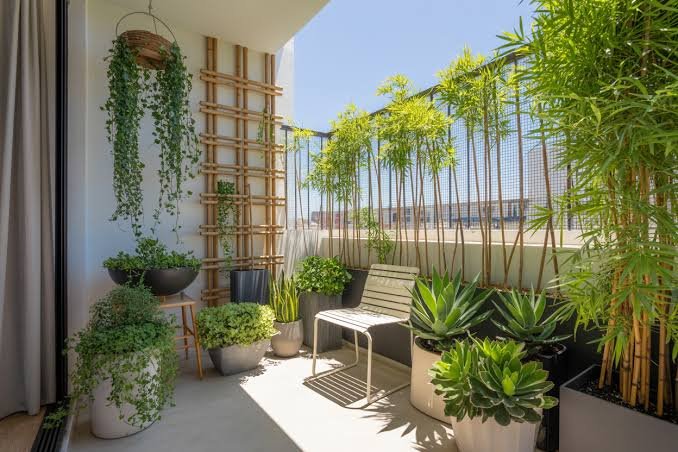
Make a Balcony Work
Even a small balcony can accommodate outdoor dining.
Instead of using a large dining table, consider:
- A narrow rectangular table
- A folding table
- A wall-mounted drop-leaf table
- A small round café table
- A compact bistro set
Foldable furniture is particularly useful because you can store it when you need more balcony space.
2. Measure the Space Before Shopping
One of the easiest ways to waste money is buying furniture that does not fit.
Measure the available area before purchasing anything.
Measure:
- Length
- Width
- Door openings
- Walkways
- Available wall space
- Distance from the kitchen or house entrance
Remember that people need space to move around the table.
A dining table should not completely block a doorway or narrow pathway. Even if the furniture technically fits, the space may become uncomfortable if there is no room to pull chairs out.
For small areas, choose furniture that serves multiple purposes.
A folding table, for example, can be used for dining and then folded against a wall when the area is needed for another activity.
3. Decide How Many People You Need to Seat
Do not buy a large table simply because it looks impressive.
Think about your normal needs.
If you usually eat outdoors with two or three people, a small table may be enough. If you regularly host six or eight guests, you may need a larger setup.
For occasional gatherings, consider expandable or folding furniture rather than maintaining a large dining set all year.
A small dining table can also be supplemented with inexpensive stools or additional chairs when guests arrive.
This approach can save a significant amount of money.
4. Use Furniture You Already Own
One of the best budget outdoor dining ideas is to start with what you already have.
Before shopping, walk around your home and look for furniture that could be repurposed.
You may already have:
- An old dining table
- Wooden chairs
- Benches
- Stools
- Side tables
- Folding chairs
- Unused shelves
- Wooden crates
- An old desk
- A small console table
An old indoor table can sometimes become a useful outdoor dining table after appropriate weather protection.
Likewise, mismatched chairs can look intentional when unified with paint, cushions, or similar accessories.
The goal is not to make everything match perfectly.
A collected, casual look can actually make an outdoor dining area feel more welcoming.
5. Look for Secondhand Furniture
Secondhand shopping can be one of the most effective ways to build an outdoor dining area on a small budget.
Check:
- Local thrift stores
- Garage sales
- Community marketplaces
- Secondhand furniture shops
- Online resale groups
- Estate sales
- Local classified listings
People often sell outdoor furniture because they are moving, renovating, or simply no longer need it.
You may find a sturdy table or set of chairs for much less than the cost of buying new furniture.
Focus on Structure Rather Than Appearance
When shopping secondhand, do not worry too much about outdated colors.
Look for furniture with good bones.
A scratched wooden table may look unattractive at first, but sanding and repainting can give it an entirely new appearance.
Similarly, metal chairs can often be cleaned and repainted.
However, avoid furniture with serious structural damage, severe rust, unstable joints, or materials that have deteriorated beyond practical repair.
6. Build a Simple DIY Dining Table
If you cannot find an affordable table, consider making one yourself.
A simple outdoor table does not need complicated woodworking skills.
One basic approach is to use a sturdy tabletop with inexpensive legs or supports.
Possible materials include:
- Reclaimed wood
- Pallets
- Construction timber
- Old boards
- Reused doors
- Outdoor-rated plywood
Always make sure the materials are structurally sound and appropriate for outdoor use.
If using reclaimed wood, inspect it carefully and remove protruding nails, splinters, and damaged sections.
Sand rough surfaces thoroughly before using the table.
The table does not need to look perfectly manufactured. A rustic appearance can work especially well outdoors.
7. Consider a Picnic-Table Style
A picnic-style table can be another inexpensive option.
Its simple structure makes it relatively easy to construct compared with a traditional dining table.
You can build a basic table with attached benches, which eliminates the need to purchase multiple individual chairs.
This is particularly useful for families.
A picnic-style table also creates a relaxed atmosphere that works well for outdoor breakfasts, barbecues, family dinners, and casual gatherings.
8. Use Benches Instead of Individual Chairs
Buying six or eight separate chairs can become expensive.
A bench can provide seating for several people while costing less.
Benches can also be built from simple wooden boards.
Another advantage is flexibility. Benches can be pushed completely under the table when they are not being used.
For a small outdoor dining area, a bench along one side can save space.
You can use individual chairs on the opposite side to create a comfortable mixed seating arrangement.
9. Do Not Be Afraid of Mismatched Chairs
A common mistake is assuming every chair must match.
Outdoor spaces can look charming with different styles of seating.
For example, you might combine:
- Two wooden chairs
- Two metal chairs
- A small bench
- One folding chair
To make the combination look intentional, use one unifying element.
You could paint all the chairs a similar color or add cushions using the same fabric family.
This creates visual consistency without requiring a complete furniture set.
10. Choose Affordable Outdoor-Friendly Materials
When shopping on a budget, think about durability as well as price.
The cheapest furniture is not always the most economical if it needs to be replaced quickly.
Consider materials such as:
Metal
Metal furniture can be durable and relatively affordable. Look for pieces with protective finishes suitable for outdoor conditions.
Wood
Wood creates a warm and natural appearance. However, outdoor wood needs appropriate protection from moisture and sunlight.
Plastic or Resin
Plastic furniture can be lightweight, easy to clean, and inexpensive.
Wicker-Style Materials
Synthetic wicker can create a comfortable outdoor appearance, although quality varies.
For tight budgets, focus on furniture that balances durability, comfort, and price.
11. Give Old Furniture a Fresh Coat of Paint
Paint can completely transform inexpensive or secondhand furniture.
An old table can look modern after sanding and repainting.
Before painting, clean the furniture thoroughly.
For wooden furniture:
- Clean the surface.
- Allow it to dry.
- Sand rough areas.
- Repair loose joints.
- Remove dust.
- Apply an appropriate primer if needed.
- Use suitable exterior paint or finish.
- Allow adequate drying time.
For metal furniture, remove loose rust and use products designed for metal and outdoor conditions.
A fresh finish can make inexpensive furniture look much more polished.
12. Create Shade Without Building a Permanent Structure
Shade is one of the most important elements of an outdoor dining area.
However, a permanent pergola or roof can be expensive.
Fortunately, there are cheaper alternatives.
Consider:
- A market umbrella
- A large outdoor parasol
- A shade sail
- A fabric canopy
- A retractable awning
- Outdoor curtains
- A strategically placed tree
A simple umbrella can make a dramatic difference.
If you already own a suitable umbrella, use it before spending money on another shade solution.
DIY Shade Ideas
A shade sail can sometimes be created using durable outdoor fabric and appropriate support points.
However, make sure the installation is secure and suitable for local weather conditions.
Strong winds can turn improperly installed shade structures into safety hazards.
13. Use Trees as Natural Shade
If your outdoor dining space is near a mature tree, take advantage of it.
Natural shade costs nothing once the tree is established.
A table beneath a tree can also create a beautiful atmosphere.
The combination of leaves, filtered sunlight, and natural textures can make even inexpensive furniture look attractive.
Just remember that falling leaves, branches, sap, and bird activity can increase cleaning needs.
14. Add an Outdoor Rug
An outdoor rug is not essential, but it can make a basic dining area feel like a complete room.
It helps visually define the dining zone, especially when the space is large.
You do not need an expensive designer rug.
Look for affordable rugs made from materials suitable for outdoor conditions.
For very tight budgets, you can also create a defined floor area using inexpensive mats or washable textiles, provided they are appropriate for the environment.
Choose patterns that hide dirt and everyday outdoor wear.
Geometric patterns, stripes, simple neutrals, and natural textures can work well.
15. Use Outdoor Cushions for Comfort
Comfort can make a bigger difference than expensive decoration.
Hard chairs can become uncomfortable during long meals.
Instead of replacing the chairs, add inexpensive seat cushions.
Cushions can also introduce color.
If you want the space to feel coordinated, repeat one or two colors across cushions, table accessories, and plants.
Store cushions indoors when they are not being used if they are not designed for prolonged outdoor exposure.
This can help extend their life.
16. Add a Small Side Table
A side table can be useful for holding drinks, serving dishes, candles, or decorative items.
You do not necessarily need to buy one.
A small stool, crate, old plant stand, or sturdy wooden box can serve the same purpose.
Repurposing objects is one of the easiest ways to keep your outdoor dining project inexpensive.
17. Create a Budget-Friendly Centerpiece
You do not need an expensive centerpiece.
Simple natural objects can work beautifully.
Try:
- A bowl of lemons
- A basket of fruit
- A small potted plant
- Fresh flowers from the garden
- A glass jar with greenery
- A simple candle arrangement
- A bowl of seasonal produce
- Small branches in a recycled bottle
Natural materials are particularly appropriate outdoors.
A simple centerpiece can make the dining table feel prepared and welcoming without adding much cost.
18. Use Plants as Decoration
Plants are one of the best ways to decorate an outdoor dining space.
They add color, texture, privacy, and a natural atmosphere.
You do not need expensive planters.
Reuse:
- Old containers
- Wooden boxes
- Metal buckets
- Terracotta pots
- Baskets
- Recycled jars
- Simple plant pots
Choose plants that are suitable for your climate and the amount of sunlight available.
Herbs are especially useful around dining areas.
Consider growing:
- Mint
- Basil
- Rosemary
- Thyme
- Coriander
- Parsley
They can provide both decoration and ingredients for meals.
19. Grow a Small Herb Garden
A small herb garden can turn your outdoor dining space into a functional garden.
Place herbs in containers around the dining area.
Fresh herbs can be used in:
- Salads
- Drinks
- Grilled foods
- Sauces
- Pasta
- Sandwiches
This is an inexpensive way to add greenery while making the area more useful.
20. Use String Lights for an Affordable Evening Atmosphere
Lighting can completely transform an outdoor dining area after sunset.
String lights are particularly effective because they provide decorative illumination without requiring major construction.
You can hang them:
- Above the table
- Along a fence
- Around a pergola
- Across a balcony
- Along a wall
- Around nearby trees
Use outdoor-rated lighting products and install them according to safety instructions.
Warm-looking illumination generally creates a cozy dining atmosphere.
21. Use Solar Lights to Reduce Installation Costs
Solar-powered garden lights can be useful when you do not want to run electrical cables.
They can be placed along:
- Walkways
- Garden borders
- Planters
- Steps
- Around the dining area
Solar lights are especially useful for adding low-level decorative illumination.
For the dining table itself, consider a battery-powered lantern or outdoor-rated table light.
22. Make Lanterns From Reused Containers
If you want a DIY lighting project, simple lanterns can be created using suitable containers.
Glass jars can sometimes be decorated and used with battery-powered LED lights.
Battery-powered candles are often more practical than open flames because they reduce fire risks.
Place decorative lights where they will not be knocked over.
Avoid using homemade electrical connections or unsuitable outdoor wiring.
23. Create Privacy on a Budget
Privacy can make an outdoor dining area feel much more comfortable.
You do not necessarily need a permanent wall or expensive fencing.
Affordable options include:
- Tall plants
- Trellises
- Outdoor curtains
- Bamboo-style screening
- Fabric panels
- Recycled wooden slats
- Potted shrubs
Plants can be especially effective because they provide privacy while improving the overall appearance.
24. Use a Trellis With Climbing Plants
A basic trellis can become both decoration and privacy screening.
Climbing plants can gradually cover the structure.
Depending on your climate, suitable plants may include flowering vines or other vigorous climbers.
Before choosing a plant, research whether it is suitable for your local climate and whether its growth habits are appropriate for the structure.
25. Make the Table the Focal Point
A budget outdoor dining area does not need dozens of decorative objects.
In fact, too many accessories can make the space feel cluttered.
Instead, make the dining table the main focal point.
Use:
- A simple tablecloth or runner
- Comfortable seating
- A small centerpiece
- Attractive plates
- Glassware
- Soft lighting
These details can create an inviting atmosphere without requiring expensive landscaping.
26. Shop Your Own Home First
Before purchasing decorations, check other rooms in your home.
You may have items that can temporarily or permanently be used outdoors.
Examples include:
- Baskets
- Trays
- Lanterns
- Serving boards
- Blankets
- Decorative bowls
- Plant pots
- Cushions
- Small stools
Be careful with indoor items that are not weather-resistant.
Some accessories should only be brought outdoors during meals and returned indoors afterward.
27. Buy Slowly Instead of All at Once
A common mistake is trying to complete the entire outdoor dining area in one weekend.
You do not need to.
Start with the essentials:
- Table
- Seating
- Shade
- Lighting
- Basic decoration
Then improve the area gradually.
This approach allows you to spread expenses over several weeks or months.
You may also discover that you do not need certain items after using the space for a while.
28. Prioritize What Matters Most
When money is limited, spend according to importance.
For most people, the priority order should be:
First: Seating
People need to be comfortable.
Second: Table
The table should be stable and large enough for normal meals.
Third: Shade
Protection from harsh sunlight can significantly improve usability.
Fourth: Lighting
This becomes important if you regularly eat outdoors at night.
Fifth: Decoration
Decorative items can be added gradually.
This prevents you from spending your entire budget on accessories while lacking basic functionality.
29. Create a Portable Dining Area
If you rent your home or do not want permanent construction, create a portable setup.
Use:
- Folding furniture
- Lightweight chairs
- Portable umbrellas
- Potted plants
- Battery-powered lights
- Removable rugs
This approach allows you to change the arrangement whenever necessary.
It is also useful for people who have limited storage space.
30. Use Folding Furniture in Small Spaces
Folding furniture is one of the smartest choices for a tiny outdoor dining area.
A folding table can be opened for meals and stored afterward.
Folding chairs can be stacked against a wall.
This allows the same outdoor space to serve multiple purposes.
For example, your balcony could function as:
- A breakfast area
- A reading space
- A work area
- A plant area
- A relaxing lounge
Furniture flexibility becomes especially important when square footage is limited.
31. Choose Round Tables for Tight Spaces
Round tables can work particularly well in compact dining areas.
They eliminate sharp corners and can make movement easier.
A small round table can comfortably create a café-style outdoor dining experience.
Round tables also encourage conversation because everyone faces the center.
32. Choose Narrow Tables for Balconies
For narrow balconies, a rectangular table placed against one side may be more practical.
A narrow table can provide enough surface area for plates and drinks without consuming the entire walking path.
Wall-mounted folding tables are another option for extremely small balconies.
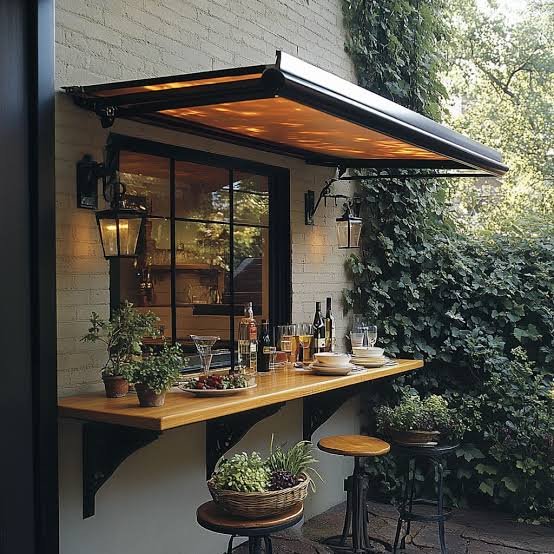
33. Use a Bar-Height Counter
If floor space is extremely limited, consider a narrow counter or bar-height surface.
A counter along a wall or railing can create a compact dining zone.
Pair it with two or three stools.
This can be particularly effective for apartments and small terraces.
34. Create a Café-Inspired Dining Corner
A café-style arrangement is one of the easiest budget outdoor designs.
All you need may be:
- A small round table
- Two chairs
- A plant
- One outdoor light
- A simple rug
This setup is ideal for couples or people who usually eat alone.
It also works well in small gardens and balconies.
35. Create a Family Dining Zone
For families, prioritize practical seating and easy cleaning.
A sturdy table with benches can be ideal.
Choose washable cushions or no cushions at all if children frequently use the space.
Keep decorations simple and avoid fragile objects.
A family outdoor dining area should be designed for real life rather than perfect photographs.
36. Make Outdoor Dining Easy to Clean
A beautiful dining area will not be useful if cleaning it becomes a major chore.
Choose materials that are easy to wipe.
Keep a small outdoor cleaning kit nearby.
It can include:
- Cloths
- Mild cleaning solution
- Brush
- Dustpan
- Small storage container
After meals, wipe the table and remove food debris.
Regular maintenance prevents dirt from becoming a larger problem.
37. Protect Furniture From Weather
Weather is one of the biggest threats to outdoor furniture.
Rain, humidity, strong sunlight, dust, and temperature changes can shorten the life of furniture.
Protect furniture by:
- Using appropriate covers
- Storing cushions indoors
- Moving lightweight pieces during severe weather
- Applying suitable protective finishes
- Cleaning furniture regularly
Do not assume that every item marketed as outdoor furniture can remain exposed indefinitely.
Read the care instructions for the specific material.
38. Use Furniture Covers Strategically
You do not necessarily need expensive custom covers.
Affordable covers can protect tables and chairs during periods of bad weather.
Make sure the covers fit securely and allow appropriate ventilation.
Moisture trapped underneath a cover can create problems, so follow the manufacturer’s recommendations.
39. Add a Storage Solution
Outdoor dining creates several items that need storage.
These may include:
- Cushions
- Tablecloths
- Plates
- Outdoor lights
- Serving items
- Cleaning supplies
A weather-resistant storage box can be useful.
For a low-cost alternative, store most delicate items inside the house and leave only durable furniture outdoors.
40. Create an Outdoor Serving Station
You do not need to carry every dish individually from the kitchen.
A simple serving station can make outdoor meals easier.
Use:
- A small cart
- A side table
- A sturdy shelf
- A repurposed cabinet
- A wooden crate system
Keep frequently used outdoor dining supplies nearby.
This reduces unnecessary trips indoors.
41. Use a Tray to Simplify Serving
A large serving tray can be one of the cheapest and most useful additions to an outdoor dining area.
Instead of carrying several individual items, place drinks, plates, or utensils on the tray.
This makes outdoor entertaining easier.
A wooden tray can also serve as table decoration when not being used.
42. Create a Budget Outdoor Bar
You do not need a professionally built bar.
A narrow table, shelf, or cart can function as a simple beverage station.
Add:
- Glasses
- A water jug
- Ice bucket
- Napkins
- Drink accessories
For family gatherings, a self-service water and beverage station can reduce the work required from the host.
43. Use Color Strategically
You do not need many colors.
Choose one main color and one or two accent colors.
For example:
- Natural wood + green
- White + blue
- Black + beige
- Terracotta + cream
- Gray + yellow
Repeat the colors through cushions, plants, tableware, and lighting.
This makes an inexpensive collection of furniture look more coordinated.
44. Embrace Natural Materials
Natural textures can make budget spaces feel attractive.
Consider:
- Wood
- Woven baskets
- Terracotta
- Stone
- Cotton
- Linen-style fabrics
- Bamboo-style materials
Natural textures work particularly well with outdoor greenery.
45. Use Seasonal Decorations
You do not need to keep the same design throughout the year.
Change small details according to the season.
In spring, use fresh flowers.
In summer, use bright textiles.
In autumn, add natural leaves, pumpkins, or warm-toned decorations.
During winter, use blankets, lanterns, and weather-appropriate accessories where outdoor conditions permit.
Seasonal changes can make the same furniture arrangement feel new.
46. Create a Romantic Outdoor Dining Space
A romantic outdoor dining area can be surprisingly inexpensive.
Start with:
- A small table
- Two comfortable chairs
- Soft lighting
- A simple centerpiece
- Plants or flowers
Battery-powered candles can create a warm atmosphere.
A small table under string lights can feel more intimate than a large expensive dining set.
47. Create a Family-Friendly Outdoor Dining Space
For family dining, focus on durability.
Choose:
- Easy-clean surfaces
- Stable chairs
- Rounded edges where appropriate
- Washable cushions
- Simple decorations
Keep fragile objects to a minimum.
The space should encourage children to eat, talk, and spend time outdoors without making you worry constantly about damage.
48. Create an Outdoor Breakfast Nook
You do not need a full dining setup for breakfast.
A small table and two chairs can create an excellent morning dining area.
Place it somewhere that receives pleasant morning light but is not excessively hot.
Add a few plants and a tray for coffee or tea.
This can become one of the most frequently used areas of the home.
49. Create an Evening Dinner Area
For evening dining, lighting becomes more important.
Use several layers of light:
- String lights above
- Lanterns nearby
- Small table lights
- Solar path lights
Avoid relying on one extremely bright light source.
Multiple softer lights can make the space feel more comfortable.
50. Add Music Carefully
If you enjoy music during outdoor meals, a small portable speaker can provide background sound.
Keep volume at a comfortable level and consider nearby neighbors.
You do not need expensive outdoor audio equipment to create atmosphere.
51. Use Table Linens Wisely
A tablecloth or runner can instantly change the appearance of a basic table.
However, outdoor dining can be messy.
Instead of expensive fabric, consider washable and durable options.
A simple runner may be enough.
For everyday meals, you may prefer to leave the table uncovered and use a runner only when guests arrive.
52. Choose Practical Tableware
You do not need a complete outdoor dinnerware collection.
Use durable plates and glasses that are easy to clean.
For casual outdoor meals, sturdy reusable dishes can be more practical than delicate dinnerware.
Keep outdoor tableware in a designated storage area if you use it frequently.
53. Make a Picnic-Style Dining Setup
For extremely low-cost outdoor dining, skip traditional dining furniture altogether.
Use a picnic blanket or outdoor mat with low tables or trays.
This works especially well for relaxed meals in gardens.
It can also be useful when you have guests and need temporary extra seating.
54. Repurpose Wooden Crates
Wooden crates can become surprisingly useful.
They can serve as:
- Side tables
- Storage
- Plant stands
- Serving stations
- Seating with appropriate reinforcement
Sand them thoroughly and make sure they are stable before using them.
Do not use weak crates as seating unless they are structurally reinforced and suitable for the load.
55. Reuse an Old Door as a Tabletop
An old solid door can potentially become a large tabletop.
Place it on strong, stable supports and secure everything properly.
This can create a distinctive rustic dining table.
However, make sure the door is safe, clean, structurally sound, and appropriate for the intended use.
56. Avoid Overdecorating
One of the biggest budget mistakes is buying too many accessories.
Outdoor dining areas can quickly become cluttered.
Start with a few important pieces.
Ask yourself:
- Does this improve comfort?
- Does this improve function?
- Does this improve atmosphere?
- Will I actually use it?
If the answer is no, you may not need it.
57. Create a Budget in Categories
Before shopping, divide your available money into categories.
For example:
Essential Budget
- Table
- Chairs
- Shade
Comfort Budget
- Cushions
- Rug
- Side table
Atmosphere Budget
- Lights
- Plants
- Decorative accessories
This approach makes it easier to control spending.
If the table costs more than expected, reduce the decoration budget rather than exceeding your total budget.
58. Look for Sales and Clearance Items
Outdoor furniture is often discounted at certain times of the year.
Watch for:
- Clearance sales
- End-of-season discounts
- Store promotions
- Used furniture
- Open-box products
Do not buy something solely because it is discounted.
Make sure it fits your space and needs.
59. Compare Before Buying
Take time to compare prices.
A table that looks inexpensive at one store may be available for less elsewhere.
Compare:
- Material
- Dimensions
- Durability
- Warranty
- Maintenance requirements
- Reviews
- Delivery costs
The cheapest sticker price does not always represent the lowest overall cost.
60. Think Long-Term
A tight budget does not mean choosing the cheapest possible option every time.
Sometimes spending slightly more on a durable table is better than buying a very cheap table that must be replaced soon.
Think about total value.
A durable item that lasts for years may cost less over time than repeatedly replacing low-quality furniture.
61. Build the Space in Stages
You can create your outdoor dining area gradually.
Stage One
Find a suitable location and clean it.
Stage Two
Add a table and basic seating.
Stage Three
Add shade.
Stage Four
Improve lighting.
Stage Five
Add plants.
Stage Six
Add cushions and decorative elements.
This staged approach allows you to enjoy the space immediately while improving it over time.
62. Keep the Kitchen Connection Convenient
An outdoor dining area should ideally be reasonably close to the kitchen.
This makes serving food much easier.
If the dining area is far away, consider creating an outdoor serving station.
A rolling cart can be particularly useful.
63. Think About Wind Direction
Wind can affect the comfort of an outdoor dining space.
Before finalizing the layout, observe the area at different times.
Strong wind can:
- Blow napkins away
- Tip lightweight decorations
- Make meals uncomfortable
- Move umbrellas
- Spread dust
Use heavier tableware and secure lightweight furniture when necessary.
64. Consider the Sun Throughout the Day
An area that feels pleasant in the morning may become extremely hot in the afternoon.
Observe how sunlight moves across the space.
Place your dining table where you can achieve a comfortable balance of shade and sunlight.
An umbrella can provide flexibility if the sun changes position.
65. Make the Space Feel Like an Outdoor Room
The easiest way to make an outdoor dining area feel special is to treat it like an extension of your home.
Think about:
- Furniture
- Lighting
- Flooring
- Privacy
- Color
- Plants
- Comfort
You do not need walls and a ceiling.
A defined arrangement can create the feeling of a room.
66. Use a Focal Point
A focal point gives the dining area visual structure.
It could be:
- A beautiful tree
- A wall
- A lantern installation
- A colorful rug
- A plant display
- A decorative table
- A view of the garden
Once you identify the focal point, arrange furniture so it supports that feature.
67. Use Mirrors Carefully
An outdoor mirror can sometimes make a small covered patio feel larger.
However, outdoor conditions can damage unsuitable mirrors.
Only use products designed for the environment and install them securely.
Avoid placing reflective surfaces where they could create dangerous glare or become a hazard.
68. Add an Outdoor Clock or Wall Decoration
If you have a protected wall, a simple outdoor-rated clock or decoration can add personality.
Do not fill every available wall.
One or two well-chosen items are often enough.
69. Make a Small Space Feel Bigger
To make a compact dining area feel larger:
- Use light visual colors
- Keep furniture proportional
- Choose folding pieces
- Avoid clutter
- Use vertical plants
- Keep walkways clear
- Use one defined rug
- Select furniture with slim profiles
The goal is to preserve visual breathing room.
70. Design for Real-Life Use
The most beautiful outdoor dining area is not necessarily the most useful.
Think about how you actually live.
If you frequently host large family meals, prioritize seating.
If you usually have morning coffee alone, prioritize a small comfortable table.
If you love evening dinners, prioritize lighting.
If you live in a hot climate, prioritize shade.
Your outdoor dining area should be designed around your lifestyle rather than an unrealistic picture.
71. Common Budget Mistakes to Avoid
Buying Furniture Before Measuring
This can result in poor layouts and unnecessary returns.
Spending Too Much on Decoration
Decorations cannot compensate for uncomfortable furniture.
Ignoring Weather
Furniture that cannot handle local conditions may deteriorate quickly.
Buying Too Much Furniture
Overcrowding makes outdoor spaces less comfortable.
Choosing Style Over Function
A beautiful chair is not useful if it is uncomfortable.
Forgetting Storage
Cushions and accessories need somewhere to go.
Neglecting Lighting
If you plan to dine at night, lighting should be considered from the beginning.
72. A Simple $100-Style Concept
If you have an extremely limited budget, imagine dividing the money across priorities rather than purchasing a complete furniture set.
Look for:
- Secondhand table
- Used chairs
- DIY centerpiece
- Affordable cushions
- Simple solar lights
- Reused plant containers
The exact cost will vary significantly depending on your location, materials, and what you already own.
The important principle is to spend the majority of the budget on useful items and use creativity for decoration.
73. A Mid-Range Budget Concept
With a little more money, you can add:
- Better outdoor seating
- A quality umbrella
- Outdoor rug
- String lights
- Several plants
- Storage box
- Serving cart
This can create a polished outdoor dining room without requiring premium furniture.
74. A Nearly Free Outdoor Dining Makeover
If you have almost no budget, start with what you already have.
Clean the space.
Move an existing table outside if appropriate.
Use existing chairs.
Collect plants from around the garden.
Use jars as containers.
Add blankets or cushions from inside temporarily.
Use existing outdoor lights.
Rearrange everything carefully.
Good design is often more about arrangement than spending.
75. Weekend DIY Outdoor Dining Project
You can break the transformation into a weekend project.
Saturday Morning
Clean the outdoor space.
Remove clutter, sweep the floor, wash surfaces, and decide where the dining area will go.
Saturday Afternoon
Find or prepare the table and seating.
Repair loose furniture and begin painting if necessary.
Saturday Evening
Plan lighting and shade.
Sunday Morning
Add plants and arrange furniture.
Sunday Afternoon
Add cushions, a centerpiece, and table accessories.
Sunday Evening
Have your first outdoor meal.
This gives you a clear goal without making the project overwhelming.
76. Budget-Friendly Outdoor Dining for Renters
Renters can still create attractive outdoor dining areas without permanent changes.
Use:
- Freestanding furniture
- Removable hooks where appropriate
- Portable umbrellas
- Potted plants
- Folding furniture
- Battery lights
- Outdoor rugs
Avoid permanent drilling, construction, or structural changes unless permitted by your landlord or property rules.
77. Budget-Friendly Outdoor Dining for Homeowners
Homeowners have more flexibility.
Over time, you can add:
- Pergolas
- Built-in benches
- Permanent lighting
- Outdoor kitchens
- Paved areas
- Privacy screens
However, there is no need to do everything at once.
Start with furniture and atmosphere, then upgrade the space according to your priorities.
78. Outdoor Dining for Apartments
Apartment balconies often have limited space.
Use a small table with two chairs.
Choose furniture that folds or stacks.
Vertical gardening can provide greenery without using valuable floor space.
Wall-mounted lighting or battery lights can provide atmosphere without taking up table space.
Keep the layout simple and avoid blocking balcony access.
79. Outdoor Dining for Rooftops
Rooftop spaces can be excellent dining areas but require special attention to wind and building rules.
Use stable furniture.
Secure umbrellas and lightweight decorations.
Consider wind direction carefully.
Check building regulations before installing anything permanent.
80. Outdoor Dining for Small Gardens
Small gardens benefit from compact furniture.
A small round table can fit into a corner.
Surround it with plants rather than filling the area with furniture.
A simple pathway can connect the dining space to the house.
81. Outdoor Dining for Large Backyards
Large yards give you more flexibility, but they can also become expensive to decorate.
Instead of trying to furnish the entire yard, create one clearly defined dining zone.
Use a table, seating, rug, lights, and plants to establish the area.
You can expand later if necessary.
82. Make Outdoor Meals Feel Special
You do not need expensive furniture to create memorable meals.
Serve food on attractive dishes.
Add fresh fruit.
Use simple flowers.
Turn on soft lighting.
Play quiet background music.
Invite friends or family.
The atmosphere comes from the experience, not the price of the furniture.
83. Use Food as Part of the Decoration
Outdoor dining naturally gives you an opportunity to use food as part of the visual experience.
A bowl of colorful fruit can become a centerpiece.
Fresh herbs can decorate dishes and table settings.
A pitcher of infused water can look attractive.
Seasonal food can add color to the table.
This creates decoration that is also functional.
84. Keep the Table Flexible
Do not permanently fill the dining table with decorations.
You need room for actual meals.
Use small centerpieces that can easily be moved.
A removable tray is ideal.
When dinner starts, simply move the decoration to a side table.
85. Create a Comfortable Conversation Area
Dining is not only about food.
People often sit around the table long after the meal is finished.
Make sure chairs are comfortable enough for conversation.
If possible, provide some shade and pleasant lighting.
This can turn a simple dinner into a longer social experience.
86. Use Blankets During Cooler Evenings
If your climate allows outdoor dining during cooler weather, keep a few washable blankets nearby.
Place them in a storage basket.
This small addition can make evening dining much more comfortable.
Make sure textiles are stored dry to prevent moisture problems.
87. Add Mosquito Protection Where Needed
In areas with insects, outdoor dining can become uncomfortable.
Depending on your location, consider appropriate measures such as:
- Screens
- Fans
- Mosquito netting
- Properly used insect-control products
Do not rely on decorative solutions that are ineffective for your local conditions.
Keep food covered when it is not being served.
88. Think About Safety
Outdoor dining areas should be attractive but safe.
Make sure:
- Tables are stable
- Chairs do not wobble
- Umbrellas are properly secured
- Lighting cables do not create trip hazards
- Candles are used safely
- Furniture does not block exits
- Children cannot easily knock over heavy objects
- Structures are secure
Never compromise safety simply to save money.
89. Make Maintenance Part of the Design
Choose a setup that you can realistically maintain.
If you hate cleaning, avoid furniture with complicated surfaces.
If you frequently move furniture, choose lightweight pieces.
If your area receives heavy rain, prioritize weather protection.
The easiest outdoor dining area to maintain is one designed around your actual habits.
90. The Most Important Budget Principle
The most important lesson is simple:
You do not need expensive outdoor furniture to create a beautiful outdoor dining experience.
A successful outdoor dining area comes from combining practical furniture, thoughtful layout, comfortable seating, appropriate shade, good lighting, and personal touches.
A secondhand table can become beautiful with paint.
Old chairs can become attractive with cushions.
A few plants can replace expensive landscaping.
String lights can create atmosphere.
A simple serving tray can make outdoor meals easier.
A small table can become the center of countless family memories.
Conclusion
Creating an outdoor dining area on a tight budget is less about how much money you spend and more about how creatively you use the space you already have.
Start by choosing a practical location. Measure the area before shopping, and use existing furniture whenever possible. Look for secondhand pieces, consider DIY projects, and choose furniture based on durability and comfort rather than appearance alone.
Focus your budget on the essentials: a stable table, comfortable seating, shade, and appropriate lighting. Once those elements are in place, gradually add plants, cushions, rugs, lanterns, serving accessories, and decorative touches.
Remember that outdoor dining does not have to look expensive to feel special. A modest table under a tree, surrounded by plants and illuminated by soft lights, can create a more inviting atmosphere than an expensive outdoor furniture set.
The best outdoor dining area is one that encourages you to actually use it.
Whether you have a large backyard, a tiny balcony, a rooftop terrace, or a small garden corner, you can create an attractive and comfortable dining space with careful planning and a limited budget.
Start small. Use what you already have. Shop thoughtfully. Add improvements over time. Most importantly, design the space around the way you actually live.
With a little creativity, even the simplest outdoor corner can become a favorite place for morning coffee, family lunches, weekend dinners, evening tea, and memorable gatherings with friends.