The Art of the Accent Wall: Bold Paint vs. Textured Wallpaper
An accent wall can completely transform the personality of a room without requiring a full renovation. Instead of repainting every wall, replacing all the furniture, or investing in expensive structural changes, homeowners can create a dramatic focal point by giving a single wall special attention.
Two of the most popular ways to create an accent wall are bold paint and textured wallpaper. Both options can introduce color, depth, character, and visual interest, but they create very different effects. Bold paint can deliver a clean, modern, and powerful statement, while textured wallpaper can add dimension, pattern, warmth, and a luxurious atmosphere.
Choosing between the two depends on your room, decorating style, budget, maintenance expectations, lighting, furniture, and the mood you want to create.
This comprehensive guide explores the art of accent walls, compares bold paint with textured wallpaper, explains where each option works best, and provides practical design ideas to help you create an accent wall that feels intentional and stylish.
What Is an Accent Wall?
An accent wall is a wall that has been intentionally designed to stand out from the surrounding walls. It may differ through color, texture, pattern, material, architectural treatment, or artwork.
Traditionally, accent walls were often created by painting one wall a darker or brighter color than the rest of the room. Modern interior design has expanded the concept considerably.
Today, an accent wall might feature:
- Bold paint
- Textured wallpaper
- Patterned wallpaper
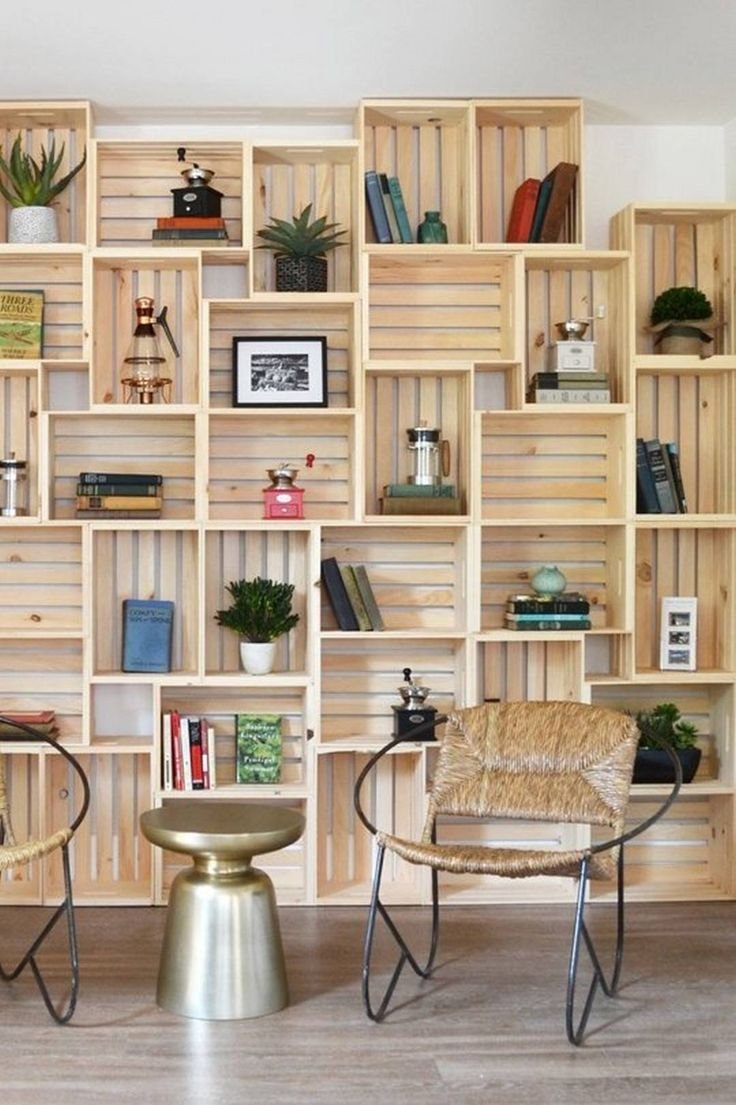
- Wood paneling
- Stone
- Brick
- Decorative plaster
- Fabric
- Slatted wood
- Murals
- Large-scale artwork
- Geometric designs
The goal is not simply to make one wall different. A successful accent wall should contribute to the overall design of the room.
It can draw attention toward an important architectural feature, define a specific area, highlight furniture, or establish the room’s color palette.
Why Accent Walls Are So Popular
Accent walls remain popular because they offer a relatively simple way to make a major visual change.
A completely redesigned room can require significant money and time. An accent wall, by comparison, can often be completed in a weekend.
The right accent wall can:
- Add personality
- Create a focal point
- Introduce color
- Add texture
- Make a room feel more sophisticated
- Highlight architectural features
- Define different zones
- Complement furniture
- Improve visual balance
- Refresh an outdated space
Accent walls can also be useful for renters, especially when removable wallpaper or temporary design solutions are used.
Bold Paint: The Classic Accent Wall
Bold paint is one of the easiest and most accessible ways to create an accent wall.
A bold color can instantly change the atmosphere of a room. Deep green, navy blue, charcoal, terracotta, burgundy, chocolate brown, mustard, or even dramatic black can create a striking focal point.
The beauty of paint is its flexibility.
You can select almost any color, adjust the finish, experiment with shapes, and repaint the wall whenever your style changes.
Why Choose Bold Paint?
Bold paint is particularly attractive for homeowners who want:
- A clean appearance
- Strong color impact
- A relatively affordable project
- Easy future changes
- Minimal installation complexity
- A modern aesthetic
- A customizable design
Paint is also easier to touch up than many wallpaper surfaces.
If children, pets, or everyday activities cause marks on the wall, repairing a painted surface can be relatively straightforward.
Choosing the Right Bold Paint Color
Choosing the color is one of the most important parts of creating a painted accent wall.
The color should work with the room’s existing furniture, flooring, curtains, artwork, lighting, and accessories.
Deep Green
Deep green can create a sophisticated and calming atmosphere.
It works particularly well with:
- Natural wood
- Brass
- Cream
- Beige
- White
- Leather
- Indoor plants
A deep green accent wall can be especially effective in bedrooms, living rooms, studies, and dining spaces.
Navy Blue
Navy is a classic choice for a dramatic accent wall.
It creates depth without feeling as severe as black. Navy works well with white furniture, warm wood, gray upholstery, gold accents, and neutral accessories.
Charcoal
Charcoal gray provides a modern and sophisticated appearance.
It can work especially well in contemporary living rooms, home offices, bedrooms, and media rooms.
Because charcoal is relatively neutral, it can provide drama without introducing a highly saturated color.
Terracotta
Terracotta adds warmth and an earthy character.
It pairs beautifully with:
- Cream
- Beige
- Natural wood
- Olive green
- Tan leather
- Woven materials
It can make a room feel inviting and grounded.
Burgundy and Wine Tones
Deep red and wine-inspired shades can create a rich, dramatic atmosphere.
They can be particularly effective in dining rooms, libraries, bedrooms, and entertaining spaces.
Black
Black is perhaps one of the boldest accent wall choices.
Used carefully, it can make a room look sophisticated and architectural.
However, lighting is extremely important. A small room with limited natural light may feel darker if an entire wall is painted black.
Instead, black can work beautifully when balanced with lighter furniture, mirrors, warm lighting, and pale surrounding walls.
Understanding Paint Finishes
Color is not the only decision when using paint. The finish can influence how the accent wall looks.
Common finishes include:
- Matte
- Eggshell
- Satin
- Semi-gloss
- Gloss
Matte finishes create a soft, sophisticated appearance and can minimize reflections.
Eggshell provides a subtle amount of sheen while remaining relatively understated.
Satin is slightly more reflective and can be useful in spaces where durability matters.
Semi-gloss and gloss finishes create stronger reflections and can emphasize architectural details.
For a large accent wall, matte or eggshell is often visually appealing because the color remains the primary focus.
The Advantages of Bold Paint
One of the biggest advantages of paint is simplicity.
A painted accent wall can be completed without complicated installation techniques.
Other benefits include:
Affordable
Paint is generally one of the more economical ways to transform a room.
Flexible
If you become tired of the color, you can repaint.
Easy to Customize
You can create geometric patterns, color blocking, arches, stripes, or other designs using painter’s tape and careful planning.
Easy to Repair
Minor scratches and marks can often be repaired relatively easily.
Wide Color Selection
Paint manufacturers offer an enormous range of shades.
Suitable for Many Styles
Paint can work with modern, traditional, Scandinavian, industrial, minimalist, farmhouse, eclectic, and contemporary interiors.
The Disadvantages of Bold Paint
Paint also has limitations.
A flat painted surface does not naturally provide the same physical dimension as textured wallpaper.
Some colors can also require multiple coats to achieve consistent coverage.
Dark or highly saturated colors may require more preparation when changing to a lighter color later.
Paint also depends heavily on wall preparation. Cracks, dents, and uneven surfaces can become more noticeable when dramatic lighting hits the wall.
Textured Wallpaper: Adding Dimension and Character
Textured wallpaper takes the accent wall concept to another level by combining color, pattern, material, and dimension.
Unlike ordinary flat paint, textured wallpaper can create a tactile surface that changes the way light interacts with the wall.
Depending on the design, textured wallpaper can resemble:
- Linen
- Grasscloth
- Stone
- Concrete
- Wood
- Plaster
- Fabric
- Metallic surfaces
- Embossed patterns
- Decorative geometric structures
This makes textured wallpaper particularly appealing when the goal is to create a luxurious or visually layered interior.
Why Choose Textured Wallpaper?
Textured wallpaper may be ideal if you want:
- Visual depth
- Luxury
- Pattern
- A tactile surface
- A distinctive focal point
- Architectural character
- A sophisticated backdrop for furniture
Wallpaper can also create effects that would be difficult to achieve with paint alone.
For example, a linen-effect wallpaper can create softness and warmth without requiring actual fabric walls.
A metallic textured wallpaper can reflect light and create an elegant atmosphere.
Types of Textured Wallpaper
There are many types of textured wallpaper, and each produces a different effect.
Grasscloth Wallpaper
Grasscloth is made from natural fibers and is known for its organic appearance.
It can introduce warmth and subtle texture while maintaining a sophisticated aesthetic.
Grasscloth works particularly well with:
- Natural wood
- Neutral furniture
- Linen
- Stone
- Brass
- Woven accessories
Linen-Effect Wallpaper
Linen textures create a soft and refined appearance.
They are useful when you want texture without a highly dramatic pattern.
This type of wallpaper can be excellent for bedrooms and calm living spaces.
Embossed Wallpaper
Embossed wallpaper contains raised patterns that create physical dimension.
Patterns can range from subtle geometric designs to elaborate decorative motifs.
Metallic Wallpaper
Metallic wallpaper can reflect light and create a glamorous focal point.
Gold, silver, bronze, copper, and champagne tones can add sophistication to dining rooms, bedrooms, and entertainment areas.
Stone-Effect Wallpaper
Stone-effect wallpaper can create the appearance of natural materials without the weight or expense of actual stone installation.
It can work well in contemporary interiors.
Wood-Effect Wallpaper
Wood-inspired wallpaper can introduce visual warmth while maintaining a lighter and more flexible installation process than real wood paneling.
The Advantages of Textured Wallpaper
Textured wallpaper offers several important benefits.
Strong Visual Impact
Texture immediately attracts attention.
Adds Dimension
Instead of simply changing the color, wallpaper can alter how the wall interacts with light and shadow.
Creates Luxury
Certain textures can make a room feel more sophisticated and carefully designed.
Covers Minor Imperfections
Some textured wallpapers can help disguise small surface imperfections, although serious wall problems should still be repaired before installation.
Offers Pattern
Wallpaper allows designers to introduce patterns that would be difficult or time-consuming to paint.
The Disadvantages of Textured Wallpaper
Wallpaper can be more complicated to install than paint.
Depending on the material, installation may require careful measurement, adhesive, pattern matching, and surface preparation.
Removing wallpaper can also be more time-consuming than repainting a wall.
Some textured wallpapers can be expensive, especially natural or premium materials.
Repairs may also be more difficult if a section becomes damaged.
For these reasons, wallpaper should be selected carefully.
Bold Paint vs. Textured Wallpaper: A Direct Comparison
When deciding between bold paint and textured wallpaper, consider several factors.
Cost
Paint is generally more budget-friendly.
The total cost includes:
- Primer
- Paint
- Brushes
- Rollers
- Tape
- Drop cloths
- Labor if required
Wallpaper costs depend heavily on the material and design.
Premium textured wallpaper can become considerably more expensive, especially when professional installation is required.
If budget is the main concern, paint is often the simpler choice.
Installation
Paint usually has a straightforward installation process.
Prepare the wall, protect surrounding surfaces, apply primer if necessary, and paint.
Wallpaper requires more planning.
You may need to:
- Measure the wall.
- Calculate wallpaper requirements.
- Prepare the surface.
- Cut wallpaper panels.
- Apply adhesive.
- Align patterns.
- Smooth the material.
- Trim edges.
- Allow it to settle.
For complex patterns, professional installation can be worthwhile.
Durability
Durability depends on the quality of both paint and wallpaper.
High-quality washable paint can perform well in busy areas.
Wallpaper durability depends on its material and environmental conditions.
Moisture can be particularly important. Certain wallpapers are not suitable for humid environments.
Always check the manufacturer’s recommendations before installing wallpaper in kitchens, bathrooms, or other moisture-prone areas.
Maintenance
Paint is generally easy to clean and touch up.
Wallpaper requires more careful maintenance because aggressive cleaning can damage the surface.
For households with children or pets, washable paint may be easier to maintain.
However, washable and durable wallpaper products can also perform well when properly selected.
Visual Impact
This category depends on personal taste.
Paint creates impact primarily through color.
Wallpaper can combine:
- Color
- Pattern
- Texture
- Material
- Light reflection
If you want a minimalist statement, bold paint may be more appropriate.
If you want a layered, decorative focal point, textured wallpaper may provide more visual complexity.
How to Choose the Right Accent Wall
Not every wall should automatically become an accent wall.
The best wall is usually one that naturally attracts attention.
Look for:
- A wall behind a bed
- A fireplace wall
- A television wall
- A dining room feature wall
- A wall behind a sofa
- A home office backdrop
- An architectural focal point
Avoid choosing a random wall simply because it is empty.
The accent wall should have a relationship with the room’s layout.
Bedroom Accent Walls
Bedrooms are among the most popular spaces for accent walls.
The wall behind the bed is a natural focal point.
A deep blue, forest green, warm brown, or muted burgundy can create an intimate atmosphere.
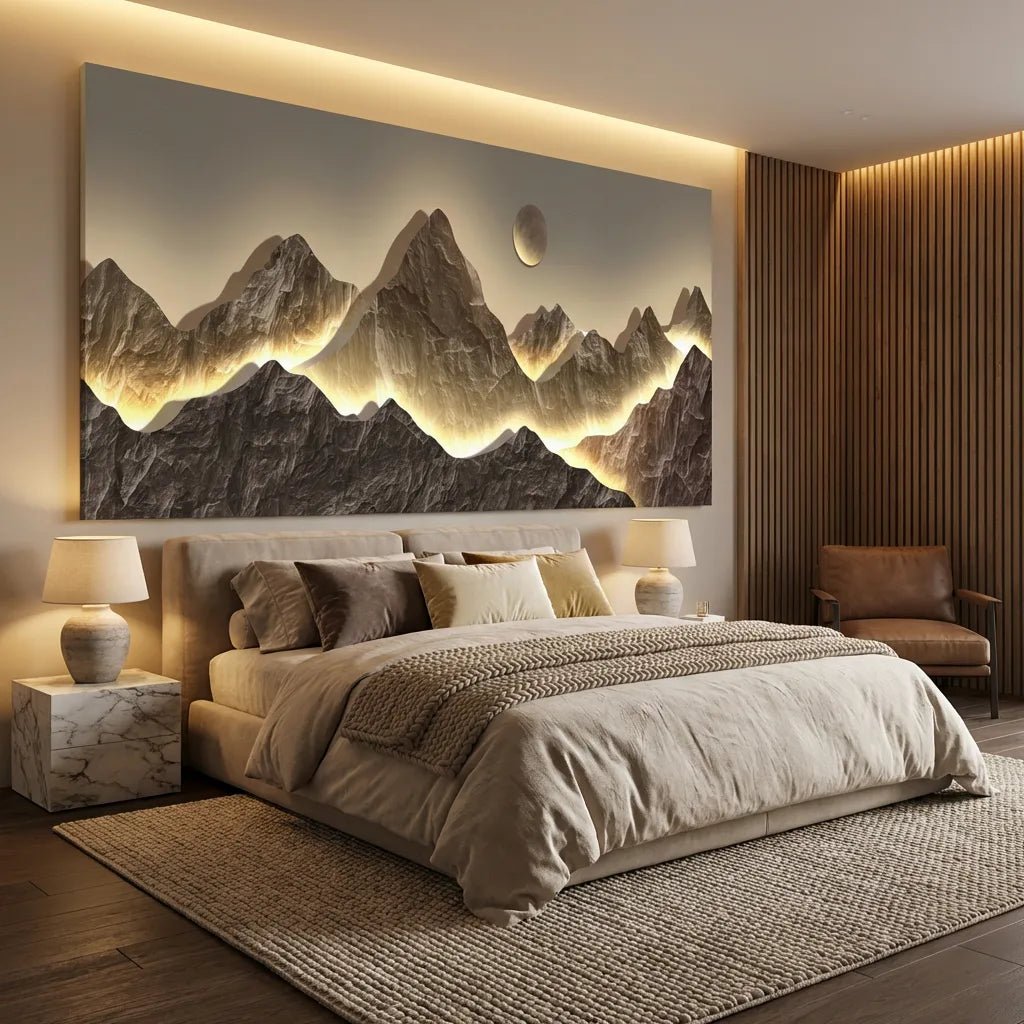
Textured wallpaper can also create a luxurious backdrop behind the headboard.
For a peaceful bedroom, subtle textures are often more appropriate than extremely busy patterns.
Living Room Accent Walls
In a living room, the accent wall can be positioned behind:
- The sofa
- Television
- Fireplace
- Main seating area
A bold painted wall can create a strong contemporary appearance.
Textured wallpaper can make the living room feel more sophisticated and layered.
If the room already contains patterned furniture or rugs, a relatively simple wall treatment may create better balance.
Dining Room Accent Walls
Dining rooms provide an excellent opportunity for dramatic design.
Deep colors such as navy, charcoal, forest green, and burgundy can create an intimate dining atmosphere.
Textured or metallic wallpaper can introduce an elegant decorative element.
Lighting should be considered carefully because dining room fixtures can highlight wall texture.
Home Office Accent Walls
An accent wall can also make a home office more visually interesting.
Dark green, navy, charcoal, or textured neutral wallpaper can create a professional background.
If you frequently attend video meetings, consider the wall behind your desk.
A carefully designed background can improve the visual appearance of the workspace without becoming distracting.
Accent Walls and Room Size
A common concern is whether dark colors or wallpaper make a room look smaller.
The answer depends on the overall design.
A dark accent wall can visually recede in some circumstances, creating depth rather than simply making the room feel smaller.
However, if every surface is dark and lighting is poor, the room may feel more enclosed.
For smaller rooms, consider:
- One feature wall
- Light surrounding walls
- Mirrors
- Layered lighting
- Light-colored furniture
- Reflective accessories
Textured wallpaper can also add depth without requiring a very dark color.
Accent Walls and Lighting
Lighting can dramatically change the appearance of an accent wall.
Natural daylight may make colors appear lighter and more vibrant.
Warm artificial lighting can make earthy tones appear richer.
Cooler lighting may emphasize blue and gray tones.
Texture becomes particularly noticeable when light creates shadows across a surface.
For textured wallpaper, consider:
- Ceiling lights
- Wall sconces
- Picture lights
- Floor lamps
- Table lamps
Directional lighting can emphasize texture and create a dramatic evening effect.
Test Before You Commit
Always test your selected color or wallpaper before making the final decision.
For paint, create a sample area and observe it during:
- Morning
- Afternoon
- Evening
- Artificial lighting
For wallpaper, obtain a sample and place it against the wall.
This simple step can prevent expensive design mistakes.
How Furniture Should Work With an Accent Wall
An accent wall should support the furniture rather than compete with it.
If your sofa is neutral, a dramatic wall can create a beautiful backdrop.
If your furniture already has bold colors, consider a more subtle wall treatment.
For example, a bright patterned sofa may work better against a muted textured wall than against another highly saturated pattern.
The same principle applies to bedrooms.
A decorative headboard may require a relatively simple wall behind it, while a plain upholstered bed can benefit from a dramatic wallpaper backdrop.
Combining Bold Paint With Texture
You do not necessarily have to choose between paint and wallpaper throughout the entire room.
A successful interior can combine both.
For example:
- Three walls can be painted neutral.
- One wall can use textured wallpaper.
- Trim can be painted in a complementary shade.
- Furniture can introduce another layer of color.
Another option is to use paint on the main wall and introduce texture through furniture, curtains, rugs, and accessories.
This creates a layered room without overwhelming the space.
Accent Wall Ideas for Modern Homes
Modern interiors often benefit from simplicity.
Consider a deep charcoal painted wall behind a minimalist sofa.
Add:
- Light wood
- Neutral upholstery
- Simple artwork
- Black metal accents
- Soft lighting
Another approach is a muted textured wallpaper with a subtle geometric pattern.
The result can feel modern without becoming visually overwhelming.
Scandinavian-Inspired Accent Wall
Scandinavian interiors usually emphasize simplicity, natural materials, and soft colors.
Instead of an extremely bold color, consider:
- Warm beige
- Soft gray
- Muted green
- Pale blue
- Natural linen texture
A subtle textured wallpaper can add interest while maintaining a calm atmosphere.
Industrial Accent Wall
Industrial interiors can benefit from:
- Concrete-effect wallpaper
- Brick-effect wallpaper
- Charcoal paint
- Deep gray
- Rust-inspired tones
Pair the wall with metal, wood, leather, and simple lighting.
Traditional Accent Wall
Traditional interiors can use:
- Deep navy
- Forest green
- Burgundy
- Classic patterned wallpaper
- Damask-inspired textures
Decorative molding can further enhance the wall.
Accent Walls for Rental Homes
Renters often assume accent walls are impossible, but temporary solutions can make them more practical.
Peel-and-stick wallpaper is one option.
Temporary wallpaper can create a dramatic effect while allowing the renter to return the wall to its original appearance later, depending on the product and surface.
Before installation, always check:
- Rental agreement
- Manufacturer instructions
- Wall condition
- Removal requirements
Paint may be less suitable if the landlord requires the original wall color to be restored.
Common Accent Wall Mistakes
Even a relatively simple design project can go wrong.
Choosing a Random Wall
A feature wall should have a reason to stand out.
The wall behind the bed, fireplace, or sofa often makes more sense than an arbitrary wall.
Ignoring Natural Light
A color can look completely different in a dark room compared with a bright room.
Always consider the amount and direction of daylight.
Using Too Many Focal Points
If the room already contains dramatic furniture, artwork, flooring, and accessories, adding a highly patterned accent wall may create visual competition.
Choosing Trends Without Considering Personal Style
Trends can be inspiring, but an accent wall should still feel appropriate for your home.
Poor Wall Preparation
Paint and wallpaper both require appropriate preparation.
Dust, cracks, holes, grease, and uneven surfaces can affect the final result.
Incorrect Pattern Scale
Large wallpaper patterns can dominate small rooms.
Very small patterns may disappear in large spaces.
Choose a scale that works with the room.
How to Create a Designer-Looking Painted Accent Wall
You do not need a professional designer to create a sophisticated painted accent wall.
Start by selecting a color that connects with something already present in the room.
For example, you could take inspiration from:
- A rug
- Curtains
- Artwork
- Cushions
- A chair
- Natural wood tones
Then create a visual relationship between the wall and the accessories.
Use high-quality painter’s tape to achieve clean edges.
Make sure the surface is properly prepared.
Apply paint evenly and allow each coat to dry according to the manufacturer’s recommendations.
Avoid rushing the final coat.
A little patience can make the difference between a professional-looking wall and an uneven finish.
How to Create a Designer-Looking Wallpaper Accent Wall
Wallpaper installation requires careful planning.
First, measure the wall accurately.
Consider windows, doors, outlets, and architectural features.
Calculate how many rolls are needed while accounting for pattern matching and waste.
Prepare the wall so it is clean, smooth, and dry.
Follow the manufacturer’s installation instructions because different wallpaper types can have different requirements.
When installing patterned wallpaper, alignment is especially important.
A small error can become increasingly visible as the pattern continues across the wall.
For expensive or complicated wallpaper, professional installation can be a worthwhile investment.
Budget Planning
Before beginning your accent wall project, create a complete budget.
For paint, consider:
- Paint
- Primer
- Rollers
- Brushes
- Tape
- Drop cloths
- Surface repair materials
For wallpaper, consider:
- Wallpaper rolls
- Adhesive
- Tools
- Primer
- Pattern waste
- Professional installation if needed
Do not compare wallpaper and paint based only on the price of the primary material.
Installation and preparation can significantly influence the total cost.
Eco-Friendly Accent Wall Choices
Sustainability is becoming increasingly important in interior design.
When choosing paint, look for products with lower levels of volatile organic compounds when appropriate.
For wallpaper, consider products made from responsibly sourced or natural materials.
Durability also matters.
A product that lasts for many years may reduce the frequency of replacement.
Instead of choosing a design simply because it is currently popular, consider whether you will still enjoy it several years from now.
Accent Walls and Color Psychology
Color can influence how a room feels.
Blue is often associated with calmness and relaxation.
Green can suggest nature and freshness.
Warm terracotta and brown tones can create a grounded atmosphere.
Deep red can create a sense of richness and drama.
Neutral tones can create a quieter environment.
These associations are not universal rules. Personal experiences and cultural context can influence how people respond to color.
The most important consideration is whether the selected color creates the atmosphere you want in the room.
When Bold Paint Is the Better Choice
Bold paint may be the more practical option when:
- You have a limited budget.
- You want a quick transformation.
- You change your style frequently.
- You want easy maintenance.
- You prefer minimalist design.
- You want a specific custom color.
- You plan to repaint in the future.
Paint is also a strong choice for people who want color to be the primary design feature.
When Textured Wallpaper Is the Better Choice
Textured wallpaper may be more suitable when:
- You want dimension.
- You want pattern.
- You want a luxury appearance.
- You want to highlight a focal point.
- Your room needs additional visual interest.
- You want to create the appearance of another material.
- You prefer decorative surfaces.
Wallpaper can be especially effective when the rest of the room is relatively simple.
Can You Use Both in One Home?
Absolutely.
Different rooms can use different accent wall treatments.
For example:
Living room: textured wallpaper
Bedroom: deep green paint
Dining room: dramatic patterned wallpaper
Home office: navy paint
This approach creates variety while allowing each room to have its own personality.
You can also repeat colors throughout the house so the spaces feel connected.
How to Make an Accent Wall Feel Intentional
The most successful accent walls usually connect with at least two or three other elements in the room.
Suppose you choose a deep green wall.
You might repeat the color through:
- Cushions
- Artwork
- Plants
- Decorative objects
The repetition creates cohesion.
Likewise, if you choose a textured beige wallpaper, you might echo its warm tones through curtains, rugs, wood furniture, or ceramics.
The wall should not look like an isolated decoration.
It should feel like part of the room’s overall design.
Accent Walls in Open-Plan Homes
Open-plan homes present a unique challenge because multiple functional areas share one large space.
An accent wall can help visually define an area.
For example, a painted wall can distinguish the dining zone from the living area.
However, the color should coordinate with the surrounding spaces.
Because open-plan interiors are visually connected, extremely unrelated colors can make the space feel fragmented.
Use a consistent palette.
The Role of Texture in Interior Design
Texture is one of the most important elements of sophisticated interior design.
Texture creates visual depth.
It can come from:
- Walls
- Rugs
- Curtains
- Furniture
- Wood
- Stone
- Metal
- Ceramics
- Plants
Textured wallpaper is simply one way to introduce this design element.
If you already have many textures in the room, you may not need highly textured wallpaper.
A bold painted wall may provide better balance.
The Importance of Scale
Scale is often overlooked.
A huge room with a small, subtle wallpaper pattern may not achieve the desired impact.
Likewise, a tiny bedroom with a massive geometric design can feel overwhelmed.
Consider the dimensions of the room and the visual scale of furniture.
Large rooms can often handle stronger patterns.
Smaller spaces may benefit from controlled designs.
Should the Ceiling Match the Accent Wall?
Not necessarily.
In some interiors, continuing the accent color onto the ceiling can create a dramatic cocoon effect.
This can work particularly well in:
- Bedrooms
- Reading rooms
- Dining rooms
- Small studies
However, it should be considered carefully because extending a dark color onto the ceiling can significantly change the perception of the room.
For a traditional accent wall, keeping the ceiling light is usually the simpler approach.
Accent Walls and Artwork
Artwork can either complement or compete with an accent wall.
A plain bold wall can provide an excellent backdrop for large artwork.
A heavily patterned wallpaper may already provide enough visual interest, meaning only a small amount of artwork may be necessary.
If the wallpaper has a complex pattern, consider using simple frames and restrained artwork.
If the wall is a solid color, artwork can be more expressive.
Final Decision: Paint or Textured Wallpaper?
There is no universal answer.
The right choice depends on the room and the design goal.
Choose bold paint when you want simplicity, affordability, flexibility, and strong color.
Choose textured wallpaper when you want dimension, pattern, luxury, and visual complexity.
The best accent wall is not necessarily the most dramatic one.
It is the one that makes the room feel more complete.
A successful accent wall should work with the architecture, furniture, lighting, colors, and lifestyle of the people using the room.
Frequently Asked Questions
What is the main purpose of an accent wall?
The main purpose of an accent wall is to create a visual focal point. It can highlight architectural features, define an area, introduce color, or add texture and personality to a room.
Is paint cheaper than textured wallpaper?
In many situations, paint is more affordable, particularly when you install it yourself. However, total costs depend on the quality of materials, wall preparation, wallpaper type, and installation requirements.
Does textured wallpaper make a room look smaller?
Not necessarily. Texture and pattern can add depth and character. However, very dark or oversized patterns may visually dominate a small room, especially when combined with poor lighting.
Is wallpaper harder to maintain than paint?
Often, yes. Paint is generally easier to touch up and clean. However, some modern wallpapers are designed to be durable and washable. Always check the manufacturer’s care instructions.
Which is better for a bedroom accent wall?
Both can work well. Bold paint provides a simple and calming backdrop, while textured wallpaper can create a more luxurious atmosphere. The choice depends on the desired style.
Can an accent wall be used in a small room?
Yes. A carefully selected accent wall can actually add depth and personality to a small room. Consider lighting, color intensity, pattern scale, and surrounding wall colors.
Should an accent wall be darker than the other walls?
It does not have to be. An accent wall can be darker, brighter, lighter, warmer, cooler, or simply more textured than the surrounding walls.
Can I create an accent wall without painting?
Yes. Wallpaper, wood paneling, artwork, stone, decorative plaster, fabric, and other materials can all create an accent wall.
Is textured wallpaper suitable for modern interiors?
Yes. Modern textured wallpaper can be subtle and sophisticated. Linen, concrete, geometric, plaster, and minimalist textures can work particularly well in contemporary spaces.
What wall should become an accent wall?
The best wall is usually one that naturally attracts attention, such as the wall behind a bed, sofa, fireplace, television, or dining table.
Conclusion
The art of creating an accent wall is about more than simply making one wall look different. It is about understanding how color, texture, lighting, furniture, architecture, and proportion work together.
Bold paint offers simplicity, flexibility, affordability, and powerful color. It is ideal for homeowners who want an easy transformation that can be changed in the future.
Textured wallpaper offers dimension, pattern, character, and a more decorative appearance. It can transform an ordinary wall into a sophisticated design feature.
Before making your choice, consider the room’s size, lighting, furniture, existing colors, maintenance requirements, and budget. Look at samples in different lighting conditions, prepare the wall properly, and think about how the accent wall will interact with everything around it.
Most importantly, do not choose an accent wall simply because a particular color or wallpaper is trending. Choose a treatment that supports the atmosphere you want to create.
Whether you select a dramatic navy-painted wall, a warm terracotta backdrop, a subtle linen-textured wallpaper, or an elaborate geometric design, the right accent wall can become the defining feature of your interior.
A well-designed accent wall does not need to overwhelm a room. It simply needs to give the space a clear visual identity.
When bold paint and textured wallpaper are considered thoughtfully, either one can turn an ordinary room into a space that feels intentional, welcoming, stylish, and uniquely yours.