Bedroom Styling: How to Layer Bedding Like a Designer
A beautifully styled bedroom can completely change the way a home feels. The bedroom is more than just a place to sleep; it is a personal retreat where comfort, relaxation, and style come together. One of the easiest ways to transform an ordinary bedroom into a sophisticated and inviting space is by learning how to layer bedding like a designer.
Professional interior designers rarely rely on a single blanket, one pillow, and a basic sheet set. Instead, they create depth, texture, warmth, contrast, and visual balance by combining different bedding pieces. The result is a bed that looks comfortable, polished, and thoughtfully designed while still being practical for everyday life.
The good news is that you do not need an expensive bedroom makeover to achieve this look. With the right combination of sheets, blankets, quilts, duvets, pillows, throws, colors, and textures, you can create a designer-inspired bed in almost any bedroom.
This guide explains everything you need to know about layering bedding, from choosing a foundation and coordinating colors to arranging pillows and adding the final decorative touches.
Why Bedding Layers Matter in Bedroom Design
Bedding is often the largest visual element in a bedroom. Because the bed occupies a significant amount of space, its appearance can influence the entire room.
A flat, one-dimensional bed can make a bedroom look unfinished. On the other hand, a carefully layered bed creates depth and makes the room feel more luxurious.
Layering also has a practical purpose. Different layers can be removed or added depending on the temperature. Lightweight sheets may be enough during warm nights, while blankets, quilts, and duvets can provide additional warmth during colder seasons.
From a design perspective, bedding layers help create:
- Visual depth
- Texture
- Color variation
- Comfort
- Warmth
- Balance
- Personality
- A finished appearance
The key is not simply adding more bedding. Good styling is about adding the right pieces in the right order.
Start With a Strong Foundation
Before adding decorative layers, begin with the foundation.
The foundation usually includes the mattress, mattress protector, fitted sheet, and flat sheet or primary sleeping layer.
A clean foundation makes every additional layer look better.
Choose Quality Sheets
Sheets are the first visible layer of most bedding arrangements. While they may not receive as much decorative attention as pillows or blankets, they are essential to comfort.
Cotton is one of the most popular bedding materials because it is breathable and versatile. Linen is another excellent option, particularly for people who enjoy a relaxed and naturally textured appearance.
For a classic designer-inspired bedroom, neutral sheets are often a safe starting point.
Popular colors include:
- White
- Ivory
- Cream
- Beige
- Soft gray
- Pale blue
- Taupe
White bedding can create a hotel-inspired appearance, while warmer neutrals can make the room feel softer and more relaxed.
Consider the Sheet Texture
Color is not the only thing that matters.
Texture can add subtle visual interest even when the bedding is monochromatic.
For example, smooth cotton sheets combined with a textured quilt can create a sophisticated contrast. Linen sheets can introduce a relaxed, slightly rustic character.
The goal is to avoid making every layer look exactly the same.
Choose a Coordinated Color Palette
One of the most important designer techniques is creating a controlled color palette.
Instead of selecting bedding pieces randomly, choose two or three primary colors and repeat them throughout the room.
A simple bedroom palette might include:
- Cream as the main color
- Beige as the secondary color
- Warm brown as an accent
Another combination could be:
- White
- Soft gray
- Deep blue
For a warmer bedroom, consider:
- Ivory
- Sand
- Terracotta
For a modern bedroom:
- White
- Charcoal
- Black
For a calming bedroom:
- Cream
- Sage green
- Natural wood tones
Use the 60-30-10 Approach
A useful decorating concept is the 60-30-10 rule.
Approximately 60 percent of the visual palette can be a dominant color, 30 percent a secondary color, and 10 percent an accent.
For bedding, this could mean:
- 60% neutral sheets and duvet
- 30% contrasting quilt or blanket
- 10% accent pillows or throw
This does not need to be mathematically exact. It simply helps prevent the bed from becoming visually chaotic.
Layer One: The Fitted Sheet
The fitted sheet is the first actual bedding layer.
Choose one that fits the mattress properly. A sheet that constantly comes loose can make even an expensive bedroom look untidy.
Neutral colors work particularly well because they create a calm foundation.
If you enjoy patterns, you can use subtle stripes or small prints, but remember that the fitted sheet is usually not the main decorative feature.
Layer Two: The Flat Sheet
A flat sheet can add another layer of comfort and visual softness.
Some people prefer using the flat sheet traditionally, while others prefer a simpler bedding arrangement without one. The choice depends on personal preference.
If you use a flat sheet, consider folding the top portion neatly over the duvet or blanket. This creates a clean horizontal line near the upper part of the bed.
A crisp white flat sheet can provide contrast against a colored duvet.
Layer Three: Add a Quilt or Coverlet
A quilt or coverlet is one of the most useful pieces for creating a designer-style bed.
Unlike a heavy duvet, a quilt is often relatively lightweight and can provide texture without overwhelming the bed.
Lay the quilt over the bed and allow it to extend toward the foot.
You can style it in several ways.
Full Bed Method
Spread the quilt across the entire mattress.
This creates a clean and traditional appearance.
Folded Method
Fold the quilt down approximately one-third of the bed.
This exposes the sheet and creates a layered appearance.
Foot-of-the-Bed Method
Fold the quilt several times and place it horizontally across the lower third of the bed.
This approach is particularly useful when the quilt has an attractive texture or pattern.
Layer Four: Add the Duvet
The duvet is usually one of the largest and softest layers on the bed.
For a relaxed designer look, avoid making the duvet look excessively flat and rigid.
Instead, allow it to have a little natural volume.
You can fold the duvet slightly at the top or pull it down toward the middle of the bed.
The amount of drape depends on your personal style.
A formal bedroom might use a neatly arranged duvet, while a casual bedroom can benefit from a softer, slightly relaxed appearance.
Choose the Right Duvet Insert
The duvet insert affects both comfort and appearance.
A fuller insert creates a luxurious, fluffy appearance. A lighter insert produces a flatter, more minimalist look.
When choosing a duvet, consider:
- Bedroom temperature
- Season
- Personal sleeping preferences
- Mattress size
- Desired appearance
- Maintenance requirements
A duvet that is too small for the cover may look uneven, while an oversized insert can create excessive bulk.
Layer Five: Add a Decorative Blanket
A decorative blanket is one of the easiest ways to introduce texture and color.
Place the blanket across the lower third of the bed.
You can fold it neatly for a structured appearance or drape it loosely for a relaxed look.
Materials such as:
- Knitted cotton
- Woven fabric
- Wool
- Cashmere-style fabric
- Chenille
- Textured cotton
can create different visual effects.
A chunky knit blanket makes a bedroom feel cozy, while a lightweight woven blanket produces a more refined appearance.
Layer Six: Add a Throw
The final textile layer can be a smaller throw.
Unlike the main blanket, the throw is usually decorative.
It can be placed:
- Across the foot of the bed
- Over one corner
- Diagonally across the lower portion
- Folded over a bench
- Draped casually on the side
Do not feel obligated to arrange it perfectly.
A slightly relaxed throw can make the bedroom look lived-in and comfortable.
The Art of Pillow Layering
Pillows are one of the most important parts of bedding styling.
However, simply adding many pillows does not automatically create a designer look.
The key is arrangement.
A balanced pillow arrangement can create height and depth without making the bed impractical.
Start With Sleeping Pillows
Sleeping pillows form the practical foundation.
Place them against the headboard or wall.
For a queen or king-size bed, you can arrange two sleeping pillows side by side.
Add Euro Pillows
Euro pillows are typically square and can add height behind standard pillows.
They are especially useful for creating a layered hotel-style appearance.
Place them behind the sleeping pillows or slightly forward, depending on your desired arrangement.
Add Standard Decorative Pillows
Next, introduce smaller rectangular or square pillows.
These can provide contrast through:
- Color
- Pattern
- Texture
- Shape
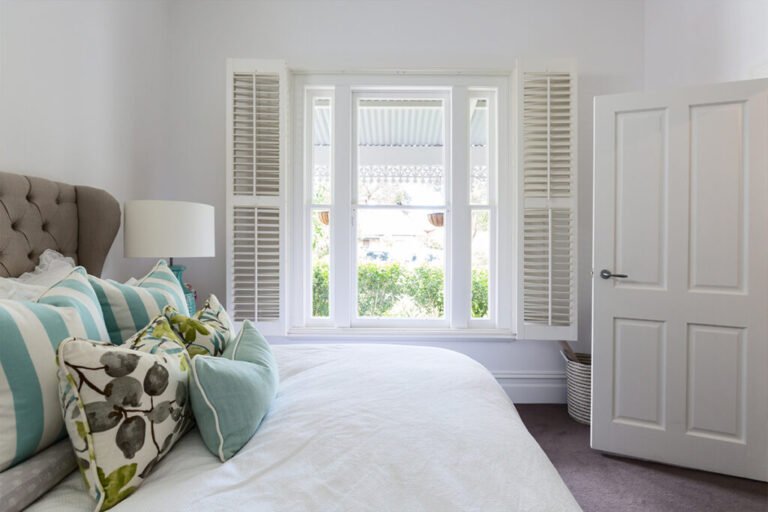
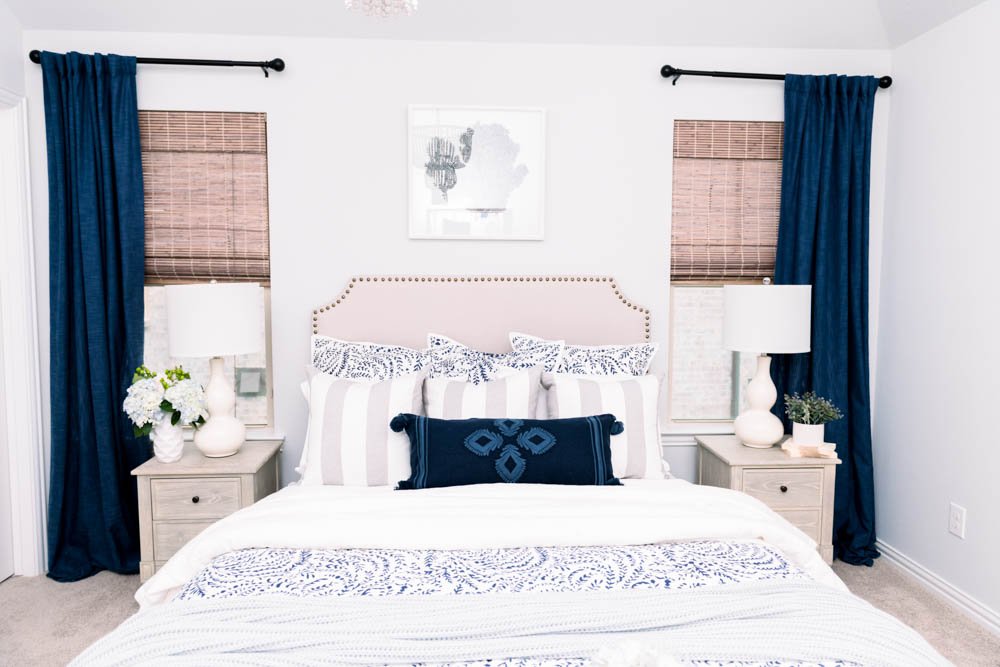
For example, a neutral bed can be enhanced with a pair of soft blue accent pillows.
Finish With a Lumbar Pillow
A lumbar pillow can act as the finishing piece.
Its horizontal shape provides contrast against square pillows.
For a simple arrangement, one attractive lumbar pillow in front may be enough.
How Many Pillows Should You Use?
There is no universal number.
A minimalist bedroom might use four to six pillows.
A more traditional arrangement may use six to eight.
A highly decorative bed can use even more, but too many pillows can make the bed difficult to use.
The best arrangement is one that looks intentional without creating unnecessary work every morning.
Mix Pillow Sizes Carefully
One of the biggest mistakes in bedding design is using pillows that are all the same size.
Different sizes create depth.
For example:
- Large sleeping pillows
- Square Euro pillows
- Medium decorative pillows
- Small lumbar pillow
This creates a visual progression from large to small.
Mix Textures Instead of Overusing Patterns
You do not need multiple patterns to create an interesting bed.
Texture can be just as effective.
Try combining:
- Smooth cotton
- Washed linen
- Quilted fabric
- Knitted wool
- Woven cotton
- Velvet accents
For example, an all-neutral bed can look sophisticated when different materials create subtle contrast.
This is particularly effective in minimalist interiors.
How to Mix Patterns
If you love patterns, use them thoughtfully.
A common strategy is to combine patterns of different scales.
For example:
- Large-scale pattern on a quilt
- Medium pattern on decorative pillows
- Small pattern on an accent cushion
Avoid using several competing patterns with equal visual strength.
If the duvet has a bold pattern, keep some of the pillows and blankets relatively simple.
Create Contrast With Color
Contrast helps the layers remain visible.
If everything is the same color and texture, the bed can look flat.
However, contrast does not always have to be dramatic.
A cream duvet with a slightly darker beige blanket can create enough contrast.
Similarly, white bedding combined with pale gray pillows can look elegant without becoming visually harsh.
Style a Neutral Bedroom
Neutral bedrooms are popular because they create a calm and timeless environment.
But neutral does not mean boring.
Use different shades and textures.
For example:
- White sheets
- Ivory duvet
- Beige quilt
- Taupe blanket
- Cream pillows
- Natural woven throw
The result can be warm and sophisticated without relying on bright colors.
Style a Colorful Bedroom
If you prefer colorful interiors, bedding can become an important design feature.
Choose one dominant color and build around it.
For example, blue bedding can be combined with:
- White sheets
- Light gray quilt
- Navy accent pillows
- Natural beige throw
Green bedding can be paired with:
- Cream
- Tan
- Olive
- Warm wood tones
The key is repetition.
Repeat accent colors in curtains, rugs, artwork, or accessories so the bed feels connected to the rest of the room.
Seasonal Bedding Layers
One of the advantages of layered bedding is flexibility.
You can adjust the layers according to the season.
Spring Bedding
Spring is a good time to introduce lighter materials and fresh colors.
Consider:
- Cotton sheets
- Lightweight quilt
- Linen duvet cover
- Light decorative throw
- Soft pastel pillows
Colors such as pale green, blue, cream, and soft yellow can create a fresh appearance.
Summer Bedding
Summer bedding should prioritize breathability.
Use lightweight materials such as cotton and linen.
You may only need:
- Lightweight sheets
- Thin coverlet
- Light blanket
Avoid excessive layers if your bedroom becomes hot.
Autumn Bedding
Autumn is ideal for introducing richer textures.
Consider:
- Woven blankets
- Quilts
- Warm neutral colors
- Terracotta accents
- Brown or olive pillows
Layering becomes both decorative and practical as temperatures begin to drop.
Winter Bedding
Winter is the perfect season for deeper layers.
Consider:
- Flannel or warm cotton sheets
- Duvet
- Quilt
- Wool blanket
- Chunky throw
You can also introduce deeper colors such as charcoal, burgundy, forest green, or warm brown.
Style the Bed Around the Headboard
The headboard and bedding should work together.
A simple upholstered headboard can support a more decorative bedding arrangement.
A highly detailed headboard may look better with simpler bedding.
If your headboard is wooden, natural bedding textures can create a cohesive look.
If your headboard is dark, lighter bedding can provide contrast.
Use the Bed Frame to Influence Your Style
The bed frame is another important consideration.
A minimalist metal frame can pair well with clean bedding.
A traditional wooden frame can support:
- Linen
- Quilts
- Classic patterns
- Warm neutral colors
An upholstered bed can create a softer, more luxurious appearance.
The bedding should complement the existing furniture rather than compete with it.
Add a Bench at the Foot of the Bed
A bench can make the bed look more complete.
It also provides a practical place to sit or place a folded blanket.
A simple upholstered bench works well in a modern bedroom.
A wooden bench can complement a natural or rustic bedroom.
A woven bench can introduce texture.
However, a bench is optional. A beautifully layered bed can look complete without one.
Use a Bed Runner for a Hotel-Inspired Look
A bed runner is a narrow decorative textile placed horizontally across the lower part of the bed.
It can create a polished, hotel-inspired appearance.
Bed runners work particularly well when the rest of the bedding is simple.
For example:
White bedding + gray runner + gray accent pillows
can create a clean and sophisticated combination.
Consider the Bedroom’s Overall Lighting
Lighting can change how bedding colors and textures appear.
Soft warm lighting can make cream, beige, and brown bedding look cozy.
Cooler lighting can emphasize whites and grays.
If possible, use multiple light sources.
Consider:
- Bedside lamps
- Ceiling lighting
- Wall sconces
- Floor lamps
- Decorative lighting
Layered lighting combined with layered bedding can make the bedroom feel much more sophisticated.
Coordinate Bedding With Curtains
Curtains should not necessarily match the bedding exactly.
Instead, look for visual connections.
For example, if your bedding has sage green pillows, you might choose neutral curtains and repeat sage green in artwork.
If the bedding is patterned, keep the curtains relatively simple.
Matching everything exactly can make a room feel overly coordinated.
Coordinate Bedding With Rugs
A bedroom rug can help anchor the bed.
The rug does not have to match the bedding, but it should work with the same overall palette.
For example:
Cream bedding + beige rug + walnut furniture
creates a warm and cohesive environment.
For a more modern room:
White bedding + charcoal accents + neutral rug
can create a contemporary look.
Use Artwork to Complete the Bedroom
Artwork above the bed can help establish the room’s personality.
If the bedding is colorful or patterned, choose artwork with quieter colors.
If the bedding is neutral, artwork can provide a stronger accent.
The goal is balance.
The bed should remain the main focal point without competing with every other element.
Designer Trick: Repeat Colors
One of the easiest professional styling techniques is repeating colors.
Suppose you choose olive green as your accent.
You might use it in:
- One pillow
- A throw
- Artwork
- A small plant
- A decorative object
This creates visual continuity.
The color does not need to appear everywhere. A few intentional repetitions are usually enough.
Designer Trick: Mix High and Low Textures
A designer-style bed often combines different visual weights.
For example:
Smooth sheets + quilted coverlet + chunky throw + velvet pillow
creates a richer appearance than using four smooth fabrics.
Texture is particularly important when working with a limited color palette.
Designer Trick: Use Odd Numbers
Decorators often use odd numbers when arranging accessories because they can create a more natural visual balance.
For example, three decorative pillows can feel less rigid than two identical accent pillows.
However, symmetry still works beautifully in bedrooms.
The important thing is to choose an arrangement that fits your overall design.
Designer Trick: Let Some Layers Be Imperfect
A perfectly made bed can look beautiful, but an overly rigid arrangement may feel sterile.
Allowing a blanket to drape slightly or a duvet to have gentle folds can create a relaxed luxury aesthetic.
The goal is controlled imperfection.
The bed should look comfortable enough to sleep in, not like a showroom display that nobody is allowed to touch.
Common Bedding Styling Mistakes
Using Too Many Colors
Too many colors can make the bed look chaotic.
Choose a controlled palette and repeat it throughout the room.
Using Too Many Patterns
Several strong patterns competing against each other can overwhelm the space.
Use one dominant pattern and support it with simpler textures.
Making Everything Match Exactly
Matching sheets, curtains, pillows, blankets, and rugs perfectly can make the bedroom feel artificial.
Coordination is usually more effective than exact matching.
Using Only One Texture
A monochromatic bedroom can still feel flat if every textile has the same texture.
Add quilts, knits, woven materials, or subtle fabric variations.
Overloading the Bed With Pillows
Decorative pillows should enhance the bed, not make it impossible to use.
Choose a manageable number.
Ignoring Proportion
Large beds need appropriately sized layers.
A small throw may look lost on a large king-size bed.
Similarly, oversized pillows can overwhelm a smaller bed.
Choosing Style Over Comfort
The bedroom should be comfortable.
Beautiful bedding that feels unpleasant against the skin will not improve your experience.
Always consider fabric, temperature, weight, and personal preferences.
How to Layer Bedding on a Queen Bed
A queen bed provides plenty of space for a layered arrangement.
A practical sequence could be:
- Fitted sheet
- Flat sheet
- Lightweight quilt
- Duvet
- Folded blanket
- Two sleeping pillows
- Two Euro pillows
- Two decorative pillows
- One lumbar pillow
This arrangement creates depth without requiring an excessive amount of bedding.
How to Layer Bedding on a King Bed
A king-size bed offers more horizontal space.
Because of this, larger pillows and wider blankets can help maintain proportion.
Consider:
- King-size sleeping pillows
- Euro pillows
- Decorative cushions
- Large duvet
- Wide folded quilt
- Oversized throw
The goal is to make sure the layers feel proportional to the larger surface.
How to Layer Bedding on a Small Bed
Smaller beds require restraint.
Too many pillows and blankets can make the bed look crowded.
A simple arrangement might include:
- Fitted sheet
- Flat sheet
- Lightweight quilt
- Duvet
- Two sleeping pillows
- One or two decorative pillows
- Small throw
This can still create a stylish appearance while preserving usable space.
Minimalist Bedding Layering
Minimalist design does not mean using no layers.
Instead, it means choosing fewer, more intentional pieces.
For example:
- White cotton sheets
- Cream duvet
- Textured beige throw
- Two sleeping pillows
- One lumbar cushion
The emphasis is on quality, proportion, and texture.
Luxury Bedding Layering
A luxury bedroom can use more elaborate layering.
Consider:
- High-quality sheets
- Decorative coverlet
- Fluffy duvet
- Folded blanket
- Several pillows
- Accent cushions
- Textured throw
Keep the color palette sophisticated and avoid excessive visual clutter.
Rustic Bedding Layering
Rustic bedrooms often benefit from natural materials.
Try combining:
- Linen sheets
- Cotton quilt
- Wool blanket
- Woven throw
- Earth-tone pillows
Colors such as beige, cream, brown, olive, and muted blue work particularly well.
Modern Bedding Layering
Modern bedrooms often benefit from clean shapes and restrained colors.
Try:
- White sheets
- Gray duvet
- Charcoal throw
- Geometric cushion
- Simple lumbar pillow
Keep patterns minimal and focus on proportion.
Bohemian Bedding Layering
Bohemian bedrooms can support more variation.
You can combine:
- Patterned quilts
- Woven blankets
- Textured cushions
- Decorative throws
- Earth tones
- Global-inspired patterns
The important thing is to maintain some common colors so the result remains visually connected.
Hotel-Inspired Bedding
If you want your bedroom to resemble a luxury hotel, simplicity and crispness are important.
Start with high-quality neutral sheets.
Use a fluffy duvet and layer a neatly folded blanket across the foot.
Add symmetrical pillows.
Keep colors mostly neutral.
A final decorative lumbar pillow can provide a polished finishing touch.
How to Make Bedding Look Expensive
You do not necessarily need expensive bedding to create an upscale appearance.
Focus on:
1. Good Proportion
Make sure the duvet, pillows, and blankets fit the bed correctly.
2. Consistent Colors
A limited palette looks more sophisticated.
3. Texture
Combine different fabrics.
4. Neatness
Ironed or properly arranged bedding looks more polished.
5. Layering
Multiple intentional layers create depth.
6. Quality Basics
Invest more in the pieces you use every day, particularly sheets and pillows.
Bedding Maintenance
Beautiful styling means little if the bedding is not maintained.
Wash sheets regularly according to the fabric manufacturer’s instructions.
Keep blankets and decorative throws clean.
Rotate pillows when appropriate.
Fluff your duvet and pillows regularly.
Store seasonal bedding in a clean, dry location.
Avoid overcrowding storage spaces because compressed textiles can lose their shape.
Create a Bedroom That Feels Personal
Designer-inspired does not mean copying a hotel or magazine exactly.
Your bedroom should reflect your personality.
If you love color, use it.
If you prefer minimalism, keep the layers simple.
If you enjoy cozy textures, add blankets and quilts.
If you prefer a crisp, organized appearance, use symmetry and clean lines.
The best bedroom is one that looks beautiful and feels comfortable to the person using it.
A Simple Bedding Layering Formula
If you are unsure where to begin, use this basic formula:
Foundation
Fitted sheet + flat sheet
Main Layer
Duvet or comforter
Texture Layer
Quilt or coverlet
Warmth Layer
Folded blanket
Accent Layer
Throw
Pillow Layer
Sleeping pillows + Euro pillows + decorative cushions
This formula can be adapted to almost any bedroom style.
Example: Warm Neutral Bedroom
Imagine a bedroom with warm wood furniture and cream walls.
A suitable bedding arrangement could include:
- White cotton sheets
- Ivory duvet
- Beige quilt
- Camel-colored blanket
- Cream textured throw
- Beige Euro pillows
- Brown accent pillows
- One lumbar cushion
The result would feel warm, calm, and sophisticated.
Example: Modern Blue Bedroom
For a modern blue bedroom:
- White sheets
- Pale gray duvet
- Navy quilt
- Blue-gray blanket
- White throw
- Gray pillows
- Navy accent cushions
The combination creates contrast while maintaining a cohesive palette.
Example: Natural Green Bedroom
For a nature-inspired bedroom:
- Cream sheets
- Sage duvet
- Olive quilt
- Beige woven blanket
- Natural linen throw
- Cream pillows
- Green accent cushion
Add plants, wood furniture, and natural accessories to reinforce the theme.
Step-by-Step Morning Styling Routine
Once your bedding is properly layered, maintaining it does not have to take long.
Start by straightening the sheets.
Pull the duvet upward.
Smooth the main surface.
Fold the quilt or blanket neatly.
Fluff the pillows.
Arrange the decorative pillows.
Finish by placing the throw across the foot or over one corner.
With practice, this can take only a few minutes.
How to Make a Bed Look Effortlessly Styled
The phrase “effortlessly styled” usually means that the arrangement feels intentional but not overly perfect.
To achieve this:
- Keep the main bedding relatively neat
- Allow one blanket to drape naturally
- Use varied textures
- Avoid excessive symmetry if you want a casual appearance
- Keep the color palette controlled
- Use one or two standout pieces
The result should feel comfortable and elegant at the same time.
Frequently Asked Questions
How many layers should bedding have?
There is no fixed number. A practical designer-inspired bed may have several layers, including sheets, a quilt or coverlet, duvet, blanket, and decorative throw. The number should depend on comfort, season, and style.
Should the quilt go under or over the duvet?
Either approach can work. A quilt can be placed under the duvet for extra warmth or over it as a decorative layer. Folding the quilt at the foot of the bed is another popular option.
How many pillows look best on a bed?
The ideal number depends on bed size and personal preference. Four to eight pillows can create a layered appearance, but fewer pillows may be better for a minimalist bedroom.
What bedding colors make a bedroom look luxurious?
Neutral colors such as white, ivory, beige, taupe, gray, and soft earthy tones often create an elegant appearance. Rich accent colors can also be introduced through pillows or throws.
Does all bedding need to match?
No. Coordinating colors and textures is generally more visually interesting than making every item identical.
How can I make a small bedroom look more luxurious?
Use a limited color palette, quality-looking textures, appropriately sized bedding, and controlled layering. Avoid adding too many pillows or bulky blankets.
What is the best fabric for bedding?
The best fabric depends on personal preference and climate. Cotton and linen are popular because they can be breathable and versatile. Different fabric weights and weaves provide different levels of warmth and texture.
Should a throw blanket be centered?
Not necessarily. A centered throw creates symmetry, while placing it slightly off-center or over one corner creates a more relaxed appearance.
How often should bedding be washed?
Sheets should generally be washed regularly, with frequency depending on personal habits, climate, and manufacturer instructions. Blankets, quilts, and duvet covers can follow their specific care labels.
Can I layer bedding in a minimalist bedroom?
Absolutely. Minimalist layering focuses on fewer pieces with carefully selected colors, proportions, and textures rather than eliminating layers entirely.
Final Thoughts
Layering bedding like a designer is less about buying expensive products and more about understanding proportion, texture, color, and arrangement.
Start with a comfortable foundation. Add a quilt or coverlet for texture, a duvet for softness, and a blanket or throw for visual interest. Build your pillow arrangement from large to small, and choose a controlled color palette that complements the rest of the bedroom.
Remember that the most beautiful bedroom is not necessarily the one with the most bedding. It is the one where every layer has a purpose.
Experiment with different textures, colors, and arrangements until you find a combination that feels right for your space. You can create a sophisticated bedroom using simple pieces as long as they are thoughtfully combined.
Whether your style is minimalist, modern, rustic, traditional, colorful, or luxurious, layered bedding can become the centerpiece of your bedroom design.
With a little planning, your bed can look polished, inviting, comfortable, and designer-inspired every day.