Balcony Makeover Hacks for Apartment Dwellers
A balcony may be one of the smallest spaces in an apartment, but that does not mean it has to be boring, unused, or filled with random storage items. With a little creativity, thoughtful planning, and a few smart design tricks, even a narrow apartment balcony can become a comfortable outdoor retreat.
Whether you have a tiny Juliet balcony, a narrow urban balcony, or a relatively spacious apartment terrace, the right makeover can transform the area into a place where you can drink your morning coffee, read a book, grow plants, entertain friends, or simply relax after a long day.
The best part is that you do not necessarily need a huge budget or a major renovation. Small changes such as adding outdoor lighting, folding furniture, plants, privacy screens, cushions, rugs, and vertical storage can make a dramatic difference.
This guide explores practical balcony makeover hacks for apartment dwellers, including affordable decorating ideas, space-saving furniture, plant arrangements, privacy solutions, lighting techniques, storage options, and maintenance tips.
Why Balcony Makeovers Are Worth It
Apartment balconies often become forgotten spaces. People use them for drying clothes, storing boxes, keeping unused furniture, or placing household equipment. Over time, the balcony can become cluttered and unattractive.
A makeover gives the space a new purpose.
A well-designed balcony can function as:
- A morning coffee corner
- A reading nook
- A mini garden
- A home office extension
- A relaxing lounge
- A dining area
- A meditation space
- A place for entertaining guests
- A small urban garden
- A private outdoor retreat
You do not need a large balcony to achieve these goals. The key is using every available inch efficiently.
1. Start by Decluttering the Balcony
Before purchasing furniture or decorations, remove everything that does not belong on the balcony.
Take out old boxes, broken chairs, unused containers, unnecessary tools, and anything that is simply taking up space.
Divide your belongings into three categories:
- Keep
- Move somewhere else
- Donate, recycle, or discard
A clean starting point makes it much easier to understand how much usable space you actually have.
For small balconies, decluttering is especially important because every unnecessary item makes the space feel smaller.
Once everything is removed, sweep the floor, clean the walls, wipe the railing, and wash any existing furniture.
You may be surprised by how different the balcony already looks.
2. Measure Before Buying Anything
One of the biggest mistakes apartment dwellers make is buying furniture before measuring the balcony.
Measure:
- Length
- Width
- Door clearance
- Railing height
- Available wall space
- Ceiling height if relevant
- Areas affected by doors or windows
Also consider how people will move through the space.
A balcony may technically have enough room for a large chair, but if that chair blocks the balcony door, it is not a practical choice.
For narrow balconies, prioritize furniture with a slim profile.
3. Choose Furniture That Fits the Space
Furniture has a major impact on balcony design.
For a small balcony, avoid oversized sofas, bulky tables, and heavy lounge chairs.
Instead, consider:
- Folding chairs
- Stackable chairs
- Small stools
- Slim benches
- Compact bistro tables
- Folding tables
- Floor cushions
- Built-in seating
- Storage benches
Folding furniture is especially useful because you can put it away when you need additional floor space.
A small round table can also work better than a large rectangular table because it creates smoother movement around the balcony.
4. Create a Cozy Seating Corner
Even the smallest balcony can usually accommodate one comfortable seating area.
For a tiny balcony, try a single lounge chair with a small side table.
For a narrow rectangular balcony, place two slim chairs along one side and a small table between them.
If the balcony is wide enough, consider a compact outdoor loveseat.
Add cushions and a soft throw to make the seating area more inviting.
Comfort is just as important as appearance. A balcony that looks beautiful but feels uncomfortable will probably remain unused.
5. Use a Fold-Down Wall Table
A fold-down table is one of the smartest solutions for apartment balconies.
It attaches to the wall or railing and can be folded away when it is not needed.
This gives you a convenient surface for:
- Coffee
- Breakfast
- Laptop work
- Plants
- Books
- Dinner
- Drinks
When folded away, the floor remains clear.
This is particularly useful for balconies that are too narrow for conventional tables.
6. Take Advantage of Vertical Space
When floor space is limited, look upward.
Walls and railings can provide valuable storage and decorating opportunities.
Use vertical space for:
- Hanging plants
- Wall shelves
- Vertical gardens
- Lanterns
- Decorative artwork
- Hanging planters
- Small storage baskets
- Outdoor hooks
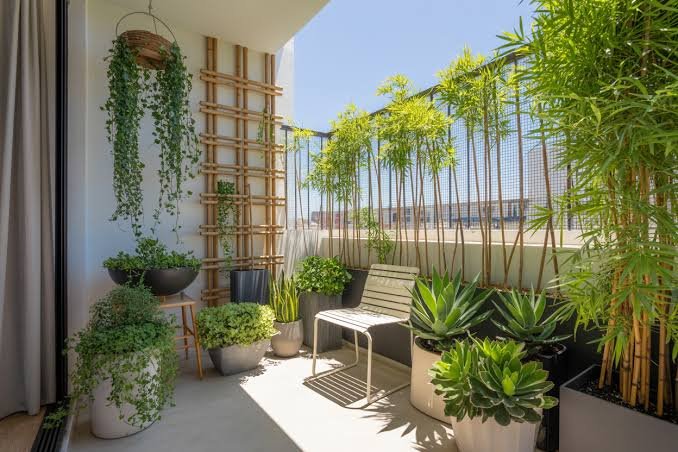
A vertical garden can make a small balcony feel much greener without consuming valuable floor space.
7. Add Plants for an Instant Transformation
Plants are among the easiest ways to improve a balcony.
They introduce color, texture, freshness, and natural beauty.
Depending on your climate and sunlight conditions, you might consider:
- Herbs
- Ferns
- Succulents
- Lavender
- Small flowering plants
- Ornamental grasses
- Climbing plants
- Compact shrubs
- Tropical plants
Before choosing plants, observe how much sunlight your balcony receives.
A balcony with several hours of direct sunlight requires different plants from a shaded balcony.
Also consider wind exposure. High-rise balconies can experience strong winds, so delicate plants may need protection.
8. Build a Mini Herb Garden
If you enjoy cooking, transform part of your balcony into a small herb garden.
You can grow herbs such as:
- Mint
- Basil
- Coriander
- Parsley
- Rosemary
- Thyme
- Chives
Use railing planters or wall-mounted containers to save floor space.
A small herb garden is practical as well as decorative.
However, make sure planters are securely installed and do not create safety problems for people below.
9. Use Railing Planters
Balcony railings are often unused design opportunities.
Railing planters allow you to add greenery without occupying floor space.
They can hold flowers, herbs, trailing plants, or compact greenery.
Choose planters designed specifically for secure railing installation. Make sure they are stable and suitable for your building’s balcony rules.
Avoid placing loose or heavy objects where they could fall.
10. Add a Balcony Rug
An outdoor rug can completely change the visual appearance of a balcony.
It helps define the seating area and makes the space feel more like an outdoor room.
Choose a rug designed for outdoor use and suitable for your climate.
For small balconies, a simple rectangular rug can visually organize the space.
A patterned rug can add personality, while a neutral rug creates a calmer appearance.
Make sure the rug does not block drainage or create a tripping hazard.
11. Introduce Outdoor Lighting
Lighting can make a balcony feel magical after sunset.
You do not need expensive fixtures.
Consider:
- String lights
- Solar lanterns
- LED candles
- Battery-powered lamps
- Wall lights
- Small table lamps designed for outdoor use
String lights can be attached along walls or railings to create a warm atmosphere.
Solar lights are useful when you want to avoid electrical connections.
For apartment balconies, always follow building rules regarding electrical equipment and exterior installations.
12. Use Warm Lighting for a Cozy Atmosphere
Bright white lighting can make a relaxing balcony feel harsh.
Warm-toned lighting generally creates a softer atmosphere.
Instead of relying on one bright light source, layer several small lights.
For example:
- String lights above
- A small lantern on the table
- LED candles around the seating area
This creates depth and makes the balcony feel more inviting.
13. Create Privacy Without Blocking Everything
Privacy can be a major issue for apartment balconies.
Fortunately, there are several ways to create a more private atmosphere.
Options include:
- Outdoor curtains
- Bamboo-style screens
- Privacy panels
- Tall plants
- Vertical gardens
- Decorative screens
- Trellis systems
Plants can be especially attractive because they provide privacy while adding greenery.
However, avoid permanently modifying building structures without permission.
14. Hang Outdoor Curtains
Outdoor curtains can make a balcony feel like a private room.
They can soften the appearance of railings and walls while providing shade and privacy.
Choose weather-resistant fabric and make sure the installation is secure.
Light-colored curtains can create an airy appearance, while darker tones can produce a more dramatic look.
If your balcony experiences strong winds, make sure curtains cannot become a safety hazard.
15. Create a Balcony Reading Nook
A balcony can become the perfect reading retreat.
You only need:
- One comfortable chair
- A small table
- A reading lamp or lantern
- A cushion
- A small rug
- A few plants
Place the chair in the corner to maximize floor space.
Add a small shelf or basket for books and magazines.
This simple setup can turn an unused balcony into one of the most enjoyable spaces in your apartment.
16. Design a Morning Coffee Station
If you enjoy coffee or tea, create a dedicated coffee corner.
A compact table can hold:
- Coffee cup
- Small tray
- Sugar container
- Coffee maker if safely appropriate
- Plant
- Book
For very small balconies, a foldable wall table can function as a breakfast bar.
Add two lightweight stools that can be moved indoors when necessary.
17. Make a Small Balcony Dining Area
You do not need a large outdoor dining set.
A tiny café-style table with two chairs can be enough.
Round tables are particularly effective because they usually require less visual space.
Choose lightweight furniture that can be moved easily.
For apartment dwellers, compact dining furniture provides flexibility without permanently consuming the balcony.
18. Try a Floor Seating Arrangement
If conventional furniture takes up too much room, consider floor seating.
Use:
- Outdoor floor cushions
- Low stools
- Poufs
- Foldable mattresses
- Outdoor pillows
This approach can create a relaxed, casual atmosphere.
Make sure all fabrics are appropriate for outdoor conditions and can be stored during bad weather.
19. Add a Storage Bench
A storage bench can solve two problems at once: seating and storage.
Use it to store:
- Cushions
- Gardening tools
- Blankets
- Small outdoor accessories
- Plant supplies
Choose weather-resistant storage.
Keep the balcony uncluttered by storing items inside the bench instead of leaving them on the floor.
20. Use Multi-Functional Furniture
Apartment balconies benefit greatly from furniture that serves multiple purposes.
Examples include:
- Bench + storage
- Table + planter
- Folding chair + side table
- Ottoman + storage
- Wall shelf + workspace
Every piece should ideally provide a useful function.
This prevents the balcony from becoming crowded.
21. Use a Monochromatic Color Scheme
A small balcony can feel larger when its colors are coordinated.
Try using two or three main colors.
For example:
- White + green + natural wood
- Beige + brown + olive
- Gray + black + green
- Cream + terracotta + natural wood
Too many unrelated colors can make a small space appear visually busy.
22. Add Natural Wood Elements
Wood can make a balcony feel warm and organic.
Consider:
- Wooden stools
- Small wood tables
- Bamboo screens
- Wooden planter boxes
- Slatted wall panels
If using real wood outdoors, choose materials and finishes appropriate for exterior conditions.
23. Try a Bohemian Balcony
A bohemian-inspired balcony can work especially well with small spaces.
Combine:
- Patterned cushions
- Woven baskets
- Plants
- Lanterns
- Outdoor rugs
- Textured fabrics
- Natural materials
The key is to create intentional layering without allowing the space to become cluttered.
24. Create a Minimalist Balcony
If you prefer clean design, keep the balcony simple.
Choose:
- One compact seating set
- One rug
- A few plants
- Minimal lighting
- A small table
Use neutral colors and simple shapes.
Minimalism is especially useful when the balcony is very small because it reduces visual clutter.
25. Add a Vertical Garden
A vertical garden can become the main feature of your balcony.
Install a suitable vertical planter system against a wall and fill it with plants appropriate to the light conditions.
You can create different layers using plants with different heights and textures.
Avoid excessively heavy systems unless the building structure and installation are designed to support them.
26. Make a Small Balcony Work as a Home Office
If your apartment lacks office space, your balcony may provide a temporary workspace.
Install a fold-down desk or use a narrow table.
Add:
- Comfortable chair
- Laptop stand
- Shade
- Small plant
- Portable lighting
However, protect electronic equipment from moisture, rain, and extreme temperatures.
27. Add Shade
Sunlight is wonderful until it becomes too intense.
For balconies exposed to strong sunlight, consider:
- Outdoor umbrellas
- Shade sails where permitted
- Outdoor curtains
- Retractable shades
- Bamboo-style screens
A shade solution can make the balcony usable during more hours of the day.
Make sure any shade installation is secure, especially in windy locations.
28. Use Mirrors Carefully
A decorative outdoor-safe mirror can make a balcony appear larger.
Position it where it reflects light or greenery.
Mirrors can create an illusion of additional depth.
However, avoid positioning mirrors in ways that could create glare or affect neighboring apartments.
29. Add Small Decorative Accessories
Accessories can give the balcony personality.
Consider:
- Lanterns
- Small sculptures
- Decorative pots
- Cushions
- Wind-safe ornaments
- Outdoor artwork
- Small trays
- Woven baskets
The goal is not to fill every available surface.
A few carefully selected accessories are usually more effective than dozens of decorations.
30. Turn the Balcony Into a Relaxation Zone
For a peaceful balcony, focus on comfort rather than decoration.
Use:
- Comfortable seating
- Soft lighting
- Plants
- Neutral colors
- A small side table
- Outdoor cushions
You could also add a small Bluetooth speaker if permitted and appropriate for your apartment environment.
Keep sound levels considerate of neighbors.
31. Design Around the Balcony View
If your balcony has a beautiful city, garden, mountain, or skyline view, do not block it unnecessarily.
Keep furniture low and use transparent or visually lightweight elements.
Position seating toward the best view.
The view itself can become the main decorative feature.
32. Make a Tiny Balcony Feel Bigger
Several tricks can visually expand a small balcony.
Use:
- Light colors
- Slim furniture
- Vertical plants
- Consistent flooring
- Small-scale decorations
- Folding furniture
- Mirrors
- Clear pathways
Avoid filling the entire floor with furniture.
Leaving some visible floor area can make the balcony feel more spacious.
33. Use Wall-Mounted Shelves
Wall shelves can provide storage without using floor space.
Use them for:
- Plants
- Small lanterns
- Gardening tools
- Books
- Decorative items
Make sure the wall can safely support the installation and check building restrictions before drilling.
34. Create a Balcony Garden Ladder
A plant ladder is a clever vertical gardening solution.
Place several small pots on the ladder’s shelves.
This arrangement allows plants to receive different amounts of light and creates visual height.
Use a stable, weather-appropriate ladder or plant stand designed for outdoor use.
35. Reuse Items Creatively
You do not have to buy everything new.
Existing household items may become useful balcony accessories.
For example:
- Old baskets can hold gardening supplies
- Wooden crates can become shelves
- Unused stools can become plant stands
- Small tables can become outdoor work surfaces
- Glass jars can become lantern containers
Make sure reused materials are safe, stable, and suitable for outdoor conditions.
36. Think About Weather Conditions
Before decorating, consider your local climate.
Rain, sunlight, humidity, wind, and temperature changes can affect balcony furniture.
Choose materials accordingly.
Outdoor fabrics should be suitable for exterior use.
Metal furniture may require rust protection.
Wood may need regular maintenance.
Plants should match your local growing conditions.
37. Keep Drainage Clear
Balconies need proper drainage.
Never cover drains with rugs, storage boxes, furniture, or planters.
Water should be able to move freely away from the balcony.
Poor drainage can cause water accumulation and potentially damage the building.
This is one of the most important practical considerations during a balcony makeover.
38. Follow Apartment Building Rules
Before installing anything permanently, check your building’s regulations.
Some apartment buildings restrict:
- Exterior painting
- Drilling
- Hanging heavy items
- Railing modifications
- Certain plants
- Exterior lighting
- Privacy screens
- Outdoor furniture
- Items attached to balconies
Following these rules can prevent problems with landlords, management companies, or neighbors.
39. Consider Balcony Safety
Safety should always come before decoration.
Do not place heavy objects near unstable railings.
Avoid loose objects that could fall from the balcony.
Do not climb onto railings.
Keep children away from unsafe edges.
Secure lightweight furniture in windy areas.
Do not overload shelves or wall-mounted systems.
Never block emergency exits or access points.
A beautiful balcony is only successful when it is safe.
40. Create a Seasonal Balcony
You can update the balcony throughout the year without completely redesigning it.
During warmer months, add:
- Lightweight cushions
- Flowering plants
- Bright accessories
- Outdoor dining elements
During cooler months, introduce:
- Warm blankets
- Weather-resistant cushions
- Lanterns
- Seasonal plants
- Cozy textures
Store items that are unsuitable for harsh weather.
41. Make the Balcony Pet-Friendly
If you have a pet, the balcony may become an enjoyable outdoor area, but safety must come first.
Check that there are no gaps through which a pet could escape or fall.
Avoid toxic plants.
Keep potentially dangerous objects out of reach.
Never leave a pet unattended in an unsafe balcony environment.
A pet-friendly balcony should prioritize secure boundaries and comfortable flooring.
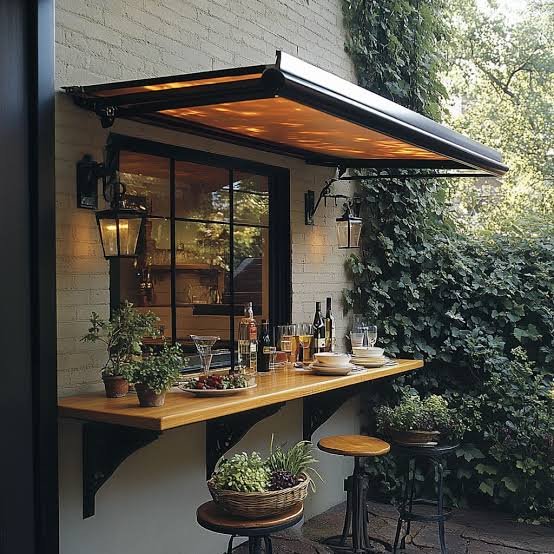
42. Add a Small Outdoor Bar
For entertaining, a compact balcony bar can be a fun feature.
A fold-down counter attached to a suitable wall can provide serving space without consuming the entire balcony.
Add two stools and a few decorative accessories.
This can turn a narrow balcony into a casual entertaining area.
43. Use Lighting to Define Zones
Lighting can help separate different areas.
For example:
- String lights around the seating area
- Small lanterns near plants
- A lamp near the reading chair
This creates visual zones without requiring physical walls.
44. Keep Maintenance Simple
The best balcony design is one you can realistically maintain.
Do not choose dozens of plants if you do not have time to care for them.
Do not select delicate fabrics if the balcony is exposed to harsh weather.
Choose furniture that is easy to clean.
A low-maintenance balcony is more likely to remain attractive throughout the year.
45. Build Your Makeover in Stages
You do not have to complete everything in one weekend.
Start with the basics:
Stage One: Clean
Declutter and clean the balcony.
Stage Two: Furniture
Add the most important seating or table.
Stage Three: Plants
Introduce greenery.
Stage Four: Lighting
Add evening illumination.
Stage Five: Accessories
Finish with rugs, cushions, and decorative details.
This approach also allows you to control your budget.
46. Affordable Balcony Makeover Ideas
If you are decorating on a tight budget, focus on changes that have the biggest visual impact.
Affordable ideas include:
- Rearranging existing furniture
- Adding cushions
- Installing string lights
- Growing plants from seeds
- Using inexpensive planters
- Adding a small outdoor rug
- Creating DIY shelves
- Reusing storage containers
- Painting suitable furniture
- Making simple privacy screens
You do not need expensive designer furniture to create a beautiful balcony.
47. Small Balcony Makeover on a Rental
Renters may not be allowed to drill holes or make permanent changes.
Fortunately, temporary solutions can still create impressive results.
Use:
- Freestanding plant stands
- Removable hooks where appropriate
- Folding furniture
- Freestanding privacy screens
- Outdoor rugs
- Portable lanterns
- Removable decorations
- Railing planters designed for easy installation
When moving out, you can take most of the makeover with you.
48. Make a Balcony Feel Like an Extension of the Living Room
One powerful design strategy is to visually connect your balcony with your interior.
Use similar colors and textures in both spaces.
For example, if your living room has beige, wood, and green accents, continue those tones outdoors.
When the balcony door is open, the two spaces can feel connected.
This can make the apartment appear larger.
49. Avoid Common Balcony Design Mistakes
Several mistakes can reduce the success of a balcony makeover.
Too Much Furniture
Overcrowding makes a small balcony difficult to use.
Ignoring Weather
Indoor furniture may deteriorate quickly outside.
Blocking Drainage
This can cause water problems.
Excessive Decoration
Too many accessories create clutter.
Poor Lighting
One harsh light source can make the area feel uncomfortable.
Ignoring Safety
Loose objects and unstable furniture can create serious hazards.
Choosing the Wrong Plants
Plants that do not match the available sunlight or climate may struggle.
50. Create a Balcony You Will Actually Use
The most important rule is to design the balcony around your lifestyle.
If you enjoy reading, create a reading corner.
If you love gardening, prioritize plants.
If you work from home, create a compact workspace.
If you enjoy entertaining, create flexible seating.
If you want relaxation, focus on comfortable furniture and soft lighting.
There is no single perfect balcony design.
The best balcony is one that matches the way you live.
Final Thoughts
A balcony makeover does not have to involve expensive furniture, complicated construction, or a large amount of space. Apartment dwellers can transform even the smallest outdoor area by using smart furniture, vertical space, plants, lighting, textiles, and practical storage solutions.
Start by decluttering the area and measuring the available space. Choose furniture that fits comfortably without blocking movement. Add greenery through railing planters or vertical gardens, introduce a weather-resistant rug, and use warm lighting to create a welcoming atmosphere.
If privacy is an issue, consider curtains, plants, or suitable screens. If the balcony is extremely small, prioritize folding and multi-functional furniture. For renters, focus on temporary solutions that can move with you.
Most importantly, avoid trying to copy someone else’s balcony exactly. Think about how you want to use your space and design around that purpose.
With thoughtful planning, a neglected apartment balcony can become a peaceful reading nook, productive workspace, miniature garden, cozy dining area, or relaxing outdoor retreat.
Your balcony may be small, but with the right ideas, it can become one of the most enjoyable spaces in your home.