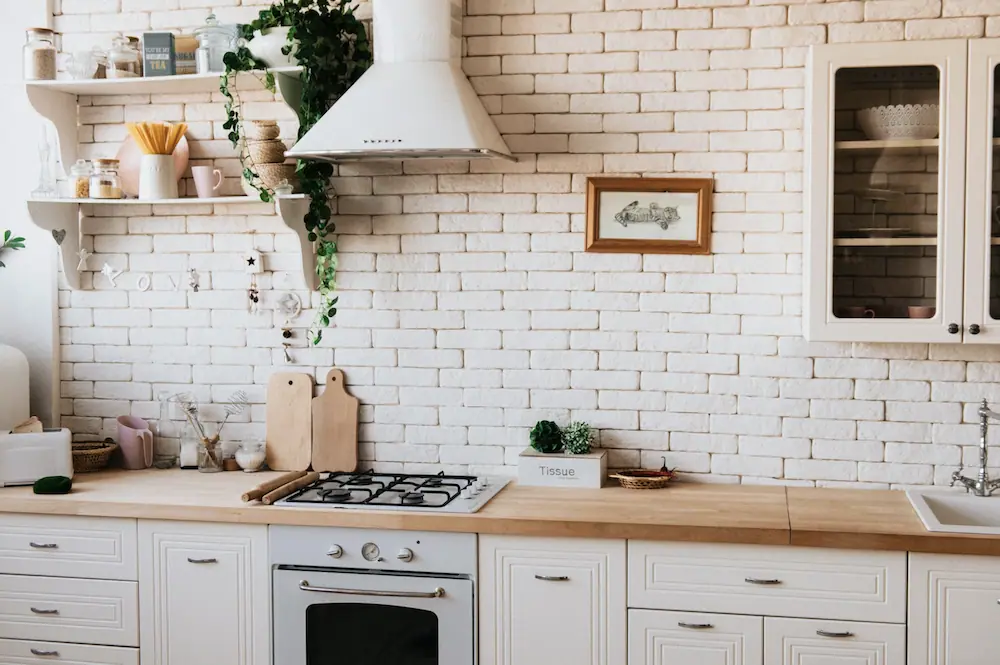
DIY Spice Rack Hacks for Tiny Kitchens with Zero Counter Space
A tiny kitchen can be challenging, especially when you love cooking and have a growing collection of spices. In a larger kitchen, it is easy to dedicate an entire drawer, cabinet, or countertop to spices. But when counter space is already occupied by a kettle, coffee maker, cutting board, toaster, or other everyday essentials, even a small collection of spice jars can quickly create clutter.
The good news is that you do not need a large kitchen to create an organized and attractive spice storage system. With a little creativity, unused walls, cabinet doors, refrigerator sides, drawer interiors, and narrow gaps can become valuable storage areas.
DIY spice racks are particularly useful for tiny kitchens because they allow you to customize storage according to your available space. Instead of buying a standard rack and trying to make it fit, you can create a solution that works specifically for your kitchen.
This guide explores practical DIY spice rack hacks for tiny kitchens with zero counter space, including wall-mounted racks, magnetic storage, cabinet-door organizers, pull-out systems, drawer solutions, hanging racks, test-tube spice holders, repurposed containers, and many budget-friendly ideas.
Whether you live in a small apartment, studio, dorm room, rental property, or compact home, these ideas can help you keep spices visible, accessible, and organized without sacrificing valuable countertop space.
Why Spice Storage Is Difficult in a Tiny Kitchen
Spices may be small individually, but a collection of twenty or thirty jars can consume a surprising amount of space.
Many kitchens also have an additional problem: spice containers come in different shapes and sizes. Some are tall, some are wide, some have grinders, and others come in bags or packets. When these containers are stored randomly, the kitchen can quickly look messy.
A typical tiny kitchen may have:
- Very limited countertop space
- Small cabinets
- Shallow drawers
- Few shelves
- Narrow wall areas
- Limited pantry storage
- Minimal room for decorative organizers
- Appliances competing for available surfaces
This is why vertical and hidden storage are so important.
Instead of asking, “Where can I put another spice rack?” ask:
“Which unused areas of my kitchen can become spice storage?”
That simple change in thinking can reveal dozens of possibilities.
1. Use the Wall Above Your Countertop
One of the easiest DIY spice rack solutions is to use vertical wall space.
If your countertop has no room for a traditional spice carousel, look upward.
The wall above the countertop is often completely unused. A narrow wooden shelf can turn that empty wall into an efficient spice station.
You can make a simple shelf using:
- A narrow wooden board
- Small brackets
- Screws or suitable wall anchors
- Sandpaper
- Paint or wood stain
- Small spice jars
Choose a shelf that is deep enough to safely hold your spice containers but not so deep that it makes the kitchen feel cramped.
For a tiny kitchen, a shelf approximately the depth of your spice jars can be enough.
How to Make It
Measure the wall first.
Decide how many spice jars you want to store and determine the shelf length.
Sand the wood, paint or stain it if desired, and install it securely.
Arrange the spice jars in a single row.
If you have many spices, install two narrow shelves one above another rather than one deep shelf.
This keeps everything visible without taking up counter space.
2. Create a Magnetic Spice Rack
Magnetic spice storage is one of the most space-efficient solutions for small kitchens.
Instead of placing jars on a shelf, attach them to a metal surface.
Magnetic spice containers can be mounted on:
- Refrigerator sides
- Metal backsplashes
- Metal shelves
- Magnetic boards
- Steel panels
For a DIY version, use small containers with magnetic backs.
You can also create a dedicated magnetic spice board by attaching a metal sheet to the wall.
Why Magnetic Storage Works
The major advantage is that it uses vertical space.
Instead of taking up shelf space, the containers sit against the wall.
This is especially useful if your kitchen has:
- A narrow refrigerator
- An empty wall
- A metal backsplash
- A small unused side panel
Label each container clearly so you can identify spices without opening them.
A consistent label design can also make the kitchen look more organized.
3. Turn the Side of Your Refrigerator Into a Spice Station
The refrigerator is often one of the largest vertical surfaces in a small kitchen.
The front may already contain magnets, notes, or decorations, but the side is often completely unused.
A magnetic spice rack can transform the refrigerator side into a convenient storage area.
Arrange spices according to frequency.
Keep everyday spices such as:
- Salt
- Black pepper
- Chili powder
- Paprika
- Garlic powder
- Onion powder
- Cumin
at eye level.
Less frequently used spices can go toward the bottom.
This creates a practical spice station without using any counter or cabinet space.
4. Install a Spice Rack Inside a Cabinet Door
Cabinet doors offer hidden storage opportunities.
The inside of a cabinet door is usually empty, even when the cabinet itself is full.
A narrow DIY spice rack can be attached to the inside of the door.
You can use:
- Small wooden strips
- Acrylic shelves
- Wire baskets
- Narrow metal rails
- Adhesive storage pockets
The important thing is to make sure the rack does not interfere with the shelves when the door closes.
Measure Before Installing
Measure:
- Door width
- Door height
- Distance between door and cabinet shelves
- Depth of spice jars
Choose containers that fit comfortably.
If the cabinet is shallow, use slim jars.
This hack is particularly useful for renters because removable adhesive organizers can sometimes provide a no-drill alternative, depending on the surface and product specifications.
5. Build a Pull-Out Spice Drawer
If you have a narrow gap between cabinets or appliances, consider creating a pull-out spice storage system.
A vertical pull-out rack can fit into surprisingly narrow spaces.
For a DIY version, you can build a narrow wooden frame with several levels.
Attach suitable drawer slides and create a handle on the front.
When closed, the rack looks like a narrow cabinet.
When pulled out, your spices become easy to access.
This is an excellent option for homeowners who want a more permanent storage solution.
6. Use a Narrow Gap Between Appliances
Tiny kitchens often contain awkward spaces between:
- Refrigerator and wall
- Stove and cabinet
- Countertop and appliance
- Cabinet and pantry
- Washing machine and wall
These gaps may look useless, but they can sometimes become valuable storage.
A narrow rolling spice cart can slide into the gap.
You can make one from:
- Thin wooden panels
- Small shelves
- Wheels
- Screws
- A handle
Before building anything, check ventilation and manufacturer clearance requirements around appliances. Do not block vents, electrical access, gas connections, or heat-producing areas.
7. Create a Hanging Spice Rack
Hanging storage is another great way to save countertop space.
Install a small rail underneath a cabinet and attach hanging containers or baskets.
You can use:
- S-hooks
- Small hanging baskets
- Clip-on containers
- Hanging shelves
- Rail-mounted organizers
This system works particularly well for frequently used spices.
You can place the rack beneath an upper cabinet where it remains accessible but does not occupy the counter.
8. Make a Spice Rack From Recycled Wood
If you enjoy DIY projects, scrap wood can become a beautiful spice rack.
Old wooden boards can be cut into small shelves.
Sand the edges carefully and finish the wood with paint, stain, or food-safe finishing products appropriate for the intended use.
Add small front rails to prevent jars from falling.
You can create a rustic farmhouse look using reclaimed wood.
Alternatively, paint the shelf white, black, or another color that matches your kitchen.
The advantage of making your own rack is that you can customize every measurement.
9. Repurpose a Picture Frame
An old picture frame can become the foundation for a decorative spice organizer.
Remove the glass and backing.
Install small shelves or metal strips inside the frame.
Mount spice containers onto the structure.
The frame creates a decorative border, turning ordinary storage into wall art.
This works particularly well in kitchens where you want storage to look intentional rather than purely functional.
10. Use Test Tubes for Small Quantities of Spices
For a creative DIY approach, small food-safe containers inspired by test tubes can be used to store small quantities of spices, provided the containers are specifically suitable for food storage.
They work particularly well for spices used in small quantities.
You can mount them vertically onto a wooden board.
Label each container.
This creates a minimalist display that takes up very little space.
However, make sure all containers are clean, dry, food-safe, and properly sealed.
11. Install a Pegboard Spice Organizer
Pegboards are extremely versatile.
A small pegboard can be installed on a kitchen wall and customized with:
- Small shelves
- Hooks
- Baskets
- Clips
- Containers
You can change the layout whenever your storage needs change.
A pegboard is especially useful for people who frequently reorganize their kitchens.
Create a dedicated spice section near your cooking area.
Add a small shelf for everyday spices and hooks for measuring spoons.
This can create an efficient mini cooking station.
12. Use a Slim Shelf Behind the Pantry Door
If you have a pantry door, the back of it may provide excellent spice storage.
Attach several narrow shelves vertically.
Store spices in rows.
Keep labels facing outward.
This is particularly useful if you have a large spice collection.
Instead of searching through a deep pantry shelf, you can see everything immediately.
13. Turn a Drawer Into a Spice Organizer
Drawers can be excellent spice storage spaces when organized correctly.
Instead of standing spice jars vertically, place them horizontally with labels facing upward.
Use dividers to create sections.
For example:
Section One
Everyday cooking spices
Section Two
Baking spices
Section Three
International spices
Section Four
Specialty seasonings
This makes the drawer much easier to navigate.
14. Create Angled Spice Drawer Storage
A more advanced drawer solution involves placing spice jars at a slight angle.
Angled storage makes labels easier to read.
You can create angled compartments from thin pieces of wood.
Each jar sits securely in its own section.
This method works especially well when drawer depth is limited.
The goal is to avoid stacking jars on top of one another.
15. Use Magnetic Labels on Metal Containers
If you already have metal spice containers, magnetic labels can make organization easier.
Instead of writing directly on the containers, use removable labels.
This allows you to change the contents without replacing the entire container.
Magnetic containers can also be rearranged quickly.
This is useful if you cook different cuisines throughout the year.
16. Build a Tiered Wall Shelf
If one shelf is not enough, create a tiered wall organizer.
Use three or four narrow levels.
Place the most frequently used spices on the easiest-to-reach shelf.
Less frequently used spices can go higher.
A tiered rack allows you to store many containers while keeping them visible.
Avoid making the rack unnecessarily deep because deep shelves can make tiny kitchens feel crowded.
17. Use the Side of a Cabinet
Cabinet sides are often ignored.
If a cabinet is positioned at the end of a kitchen run, the exposed side may provide enough space for a narrow spice rack.
Attach:
- Slim shelves
- Magnetic containers
- Small baskets
- Rails
This storage solution is particularly useful because it does not interfere with the cabinet’s interior.
18. Create a Door-Mounted Pocket Organizer
Fabric pocket organizers are not only for bedrooms.
A small pocket organizer can hold lightweight spice packets.
This is especially useful if you purchase spices in bags rather than jars.
Label each pocket.
Use separate sections for:
- Whole spices
- Ground spices
- Baking ingredients
- Seasoning mixes
Because packets are lightweight, a pocket system can be a simple low-cost solution.
19. Store Spices Under Upper Cabinets
The underside of an upper cabinet can become hidden storage.
One DIY approach is to use small containers with suitable attachment systems that allow them to sit beneath the cabinet.
This keeps spices close to your cooking area.
However, make sure the attachment method is strong enough to support the container and contents.
Avoid placing anything where heat, steam, water, or grease can damage the containers.
20. Try a Rail-and-Clip System
A simple rail installed underneath or beside a cabinet can hold small spice containers using clips.
The advantage is flexibility.
You can remove one container without disturbing the others.
Arrange your most-used spices toward the center.
Keep rarely used items toward the ends.
This creates an efficient cooking workflow.
21. Make a Spice Rack From a Shoe Organizer
A small hanging shoe organizer can sometimes be repurposed for spice packets and lightweight containers.
Choose a compact organizer with appropriately sized pockets.
Hang it on a pantry or cabinet door.
This is particularly useful for people who buy:
- Spice packets
- Seasoning sachets
- Dried herbs
- Small baking ingredients
It is inexpensive and requires little construction.
22. Use a Small Bookcase as a Spice Pantry
A narrow vertical bookcase can become a dedicated spice station.
This works when you have a small amount of floor space but absolutely no countertop space.
Choose a narrow shelf that fits beside:
- Refrigerator
- Pantry
- Dining area
- Kitchen entrance
You can store spices on the upper shelves and other cooking ingredients below.
23. Turn an Old CD Rack Into Spice Storage
Old media racks can sometimes be repurposed for spice jars if the compartments are appropriately sized.
Before using one, make sure it is clean, structurally sound, and suitable for kitchen use.
Measure the compartments first.
If the jars fit, this can be an inexpensive way to reuse something that might otherwise be discarded.
24. Use a Wall-Mounted Mail Organizer
Small wall organizers designed for mail can sometimes work as spice storage.
Choose compartments that are:
- Cleanable
- Appropriately sized
- Strong enough for the intended containers
Install it near your cooking area.
Assign each compartment to a category.
For example:
Herbs
Ground spices
Whole spices
Seasoning blends
25. Make a Rotating Wall Spice Rack
A rotating spice rack does not have to sit on the countertop.
You can create a wall-mounted rotating organizer using a suitable lazy-Susan mechanism and a secure mounting structure.
This gives you access to spices from multiple sides.
It is especially useful when wall space is limited but you still want a large collection.
26. Use a Corner Wall
Corners are often wasted space.
A narrow triangular or corner shelf can fit into a kitchen corner.
Install two or three small shelves vertically.
Use them for spice jars and small cooking essentials.
Corner storage is especially effective when there is no usable straight wall.
27. Make a Rustic Ladder Spice Rack
A small decorative ladder can become a creative storage structure.
Place narrow boards across the ladder steps to create shelves.
Mount it securely if necessary.
This approach can give a kitchen a rustic or farmhouse-inspired appearance.
The important thing is to make sure the structure is stable and does not create a safety hazard.
28. Use Uniform Spice Jars
One of the easiest ways to make a tiny spice collection look organized is to use matching containers.
Different containers create visual clutter.
Uniform jars create consistency.
Choose jars that:
- Stack efficiently
- Have tight-fitting lids
- Are easy to clean
- Are appropriately sized
- Have clear labels
You do not need expensive containers.
Simple matching jars can make a major visual difference.
29. Label Everything
A spice rack becomes much more useful when every container is clearly labeled.
Labels should be:
- Easy to read
- Consistent
- Durable
- Positioned in the same location
For drawers, labels should face upward.
For shelves, labels should face outward.
For angled racks, labels should face the viewing direction.
Good labeling reduces the time you spend searching for ingredients.
30. Organize Spices by Frequency of Use
One of the biggest mistakes people make is organizing spices alphabetically without considering how often they cook with them.
In a tiny kitchen, accessibility matters.
Keep everyday spices closest to your cooking area.
For example:
- Salt
- Pepper
- Chili
- Cumin
- Turmeric
- Garlic
- Paprika
can stay in the easiest-to-reach area.
Specialty spices can be stored farther away.
31. Create a Two-Level Spice System
If you have very limited space, divide your collection into two groups.
Daily Spices
These are the spices you use frequently.
Keep them near your stove or main preparation area.
Occasional Spices
These include specialty herbs and spices used less frequently.
Store them inside a cabinet, drawer, or pantry.
This reduces the amount of storage you need in your primary spice area.
32. Use a Spice Rotation System
Spices can lose quality over time, especially when exposed to heat, moisture, and light.
A rotation system helps prevent old containers from being forgotten.
When buying a new spice, place it behind an older container of the same type.
Use older products first when appropriate.
Check packaging guidance and storage conditions, and replace spices when their quality has noticeably declined.
33. Keep Spices Away From Heat and Steam
Convenient storage should not come at the expense of proper storage.
The area directly beside a stove may be convenient, but it can expose spices to:
- Heat
- Steam
- Grease
- Moisture
These conditions can affect quality.
Instead, choose a nearby location that is cool, dry, and easy to access.
34. Create a Hidden Spice Drawer Under a Shelf
If you have a floating shelf, the space underneath it can sometimes be used for a shallow sliding tray.
A small tray can hold your most frequently used spices.
The tray slides out when needed and disappears afterward.
This creates a clean minimalist appearance.
35. Use Transparent Containers
Transparent containers allow you to see how much spice remains.
This makes grocery shopping easier.
You can quickly identify which ingredients need replenishing.
Transparent containers are especially useful in drawers because the contents are visible without opening the lid.
36. Try a Vertical Test-Tube-Style Rack
A vertical rack with narrow food-safe containers can be ideal for small amounts of:
- Dried herbs
- Chili flakes
- Peppercorns
- Seeds
- Specialty seasonings
Mount the rack vertically.
This uses very little wall space.
It also gives the kitchen a modern appearance.
37. Build a Spice Ladder Inside a Cabinet
A small stepped organizer can transform a deep cabinet shelf.
Without a riser, jars in the back may disappear behind jars in front.
A stepped rack raises the rear containers.
This allows you to see multiple rows at once.
You can make a simple version using wooden blocks and boards.
38. Use Stackable Containers
Stackable spice jars can significantly increase storage capacity.
Instead of spreading containers across a shelf, stack them vertically.
Choose stable containers designed for stacking.
Avoid unstable towers that could fall when you remove the bottom container.
39. Create a Hidden Spice Station Behind a Door
If you prefer a clean kitchen appearance, hide your spices.
Install a narrow rack inside a pantry door.
Close the door and the entire collection disappears.
This is particularly useful in minimalist kitchens.
The cooking area stays visually clean while the spices remain easily accessible.
40. Use the Top of the Refrigerator Carefully
The top of the refrigerator can sometimes provide storage, but it should not automatically become a spice rack.
Heat and ventilation requirements vary by appliance.
If the manufacturer permits storage above the refrigerator, use lightweight containers and keep them organized.
Do not block ventilation or place items where they could fall.
41. Make a Mini Spice Pantry
Instead of spreading spices throughout the kitchen, create one compact spice zone.
This could be:
- One narrow cabinet
- One drawer
- One wall shelf
- One pantry door
- One pull-out rack
Keeping everything together makes cooking easier.
You always know where to look.
42. Use a Color-Coded Label System
Color coding can make a spice collection easier to navigate.
For example:
Green: Herbs
Red: Chili and hot spices
Yellow: Curry and turmeric-based spices
Blue: Baking spices
White: Basic seasonings
You do not need colorful containers.
Small colored labels are enough.
43. Create a Baking Spice Section
If you bake frequently, keep baking spices together.
Common examples include:
- Cinnamon
- Nutmeg
- Cloves
- Ginger
- Cardamom
- Allspice
A dedicated section makes baking preparation faster.
44. Create an International Spice Section
If you enjoy cooking different cuisines, organize spices by cuisine.
For example:
Indian Cooking
Cumin, turmeric, coriander, cardamom, chili, garam masala.
Italian Cooking
Oregano, basil, rosemary, thyme.
Mexican-Inspired Cooking
Cumin, chili powder, oregano, paprika.
Middle Eastern Cooking
Sumac, cumin, coriander, cinnamon, cardamom.
This organization can make meal preparation more intuitive.
45. Store Whole Spices Separately
Whole spices often have different storage requirements and usage patterns than ground spices.
Create a separate section for:
- Whole cumin
- Peppercorns
- Cardamom pods
- Cinnamon sticks
- Cloves
- Star anise
Small containers can make this collection easier to organize.
46. Build a Removable Spice Board
Renters often cannot drill into walls.
A removable spice board can solve the problem.
Use a suitable board and removable mounting method designed for the wall surface and load.
Attach small containers to the board.
When you move, remove the board rather than leaving permanent modifications.
Always follow the mounting product’s weight and surface instructions.
47. Make a Spice Rack From Bamboo
Bamboo boards and small bamboo shelves can make attractive DIY organizers.
Bamboo is lightweight and visually warm.
A narrow bamboo shelf can fit into compact spaces.
Add a small front rail to prevent jars from sliding.
48. Use Acrylic Shelves for a Modern Look
Clear acrylic shelves can visually disappear into the wall.
This makes them particularly useful for tiny kitchens because they do not create as much visual weight as large wooden shelves.
Install two or three narrow shelves vertically.
The spices become the visual focus.
49. Create a Hidden Pull-Out Basket
A small pull-out basket can hold spice packets and jars.
This is especially useful inside a pantry.
Install the basket at eye level.
Label the front.
When you need a spice, pull the basket forward.
50. Use a Narrow Cart
A slim rolling cart can fit into narrow spaces.
A three-tier cart can store:
Top: Everyday spices
Middle: Oils and sauces
Bottom: Backup ingredients
After cooking, roll the cart into its storage position.
This is one of the easiest solutions for kitchens where walls and cabinets cannot be modified.
51. Make a Counter-Free Cooking Station
The goal of a spice rack should not simply be storage.
It should improve your cooking workflow.
Keep the spices you use most often within easy reach.
Place measuring spoons nearby.
Keep frequently used herbs and seasonings together.
The result is a compact cooking station that requires no countertop spice rack.
52. Avoid Overloading Your Spice Collection
Sometimes the best spice rack hack is simply reducing the number of containers.
Many home cooks own spices they rarely use.
Go through your collection.
Ask:
- Do I actually use this?
- Is it still fresh enough to use?
- Do I already have another container?
- Can I combine duplicate containers safely?
- Is this a spice I only bought for one recipe?
Reducing unnecessary containers can create more space immediately.
53. Keep Backup Spices Somewhere Else
You do not need every spice container in your primary cooking area.
Keep backup supplies in a pantry or storage cabinet.
Only your active containers need to occupy the main spice station.
This is similar to keeping one bottle of a product in daily use while storing extra supplies elsewhere.
54. Create a “Top 10” Spice Rack
If your kitchen is extremely small, choose your ten most-used spices.
Store only those in the primary rack.
Everything else goes into secondary storage.
A small rack might include:
- Salt
- Black pepper
- Chili powder
- Cumin
- Turmeric
- Coriander
- Garlic powder
- Paprika
- Cinnamon
- Oregano
Your exact list should reflect your cooking habits.
55. Use a Recipe-Based Spice System
Another creative approach is to organize spices according to recipes you frequently prepare.
For example, if you regularly make curry, keep the spices used together in one section.
If you frequently make pasta dishes, create another group.
This can reduce preparation time because you can quickly grab the ingredients you need.
56. Create a Spice Rack With Recycled Jars
Small glass jars from food products can sometimes be reused for spice storage if they are thoroughly cleaned, completely dried, and appropriate for food storage.
Remove old labels.
Wash and dry the jars.
Add new labels.
Use matching labels to create a consistent appearance.
This can be an inexpensive way to create a custom spice collection.
57. Add a Front Safety Rail
One small detail can make a huge difference.
Add a narrow rail across the front of shelves.
This prevents jars from falling when you open cabinet doors or accidentally bump the shelf.
For wall-mounted shelves, a front lip is especially helpful.
58. Use Small Containers Instead of Large Ones
If you have zero counter space, container size matters.
Large jars waste valuable vertical and horizontal space.
Use appropriately sized containers based on how quickly you consume each spice.
Frequently used spices can have larger containers.
Rarely used spices can have smaller containers.
59. Keep Labels Consistent
Avoid writing one label on the lid and another on the front.
Choose one system.
For shelves:
Front labels
For drawers:
Top labels
For angled shelves:
Front-facing labels
Consistency makes organization much easier.
60. Make Your Spice Rack Match Your Kitchen
A DIY organizer does not have to look homemade in a negative way.
You can customize the design.
For a modern kitchen, use:
- Simple labels
- Clear containers
- Minimalist shelves
- Neutral finishes
For a rustic kitchen, use:
- Wood
- Metal brackets
- Mason-style jars
- Natural finishes
For a colorful kitchen, use:
- Bright labels
- Painted shelves
- Decorative containers
The rack should fit the style of your kitchen.
61. Think Vertically
The biggest principle behind tiny-kitchen organization is simple:
When you run out of horizontal space, use vertical space.
Walls, cabinet doors, refrigerator sides, pantry doors, and cabinet sides can all become storage areas.
A small kitchen may actually have more usable storage than you realize.
You simply need to change the direction in which you organize.
62. Use the “One Reach” Rule
Your most frequently used spices should ideally be reachable with one simple movement.
If you have to:
- Open a cabinet
- Move three containers
- Pull out a drawer
- Search behind jars
every time you need black pepper, the system is not efficient.
Place daily spices where they are easiest to reach.
Convenience should be part of your storage design.
63. Use the “See Everything” Rule
If you cannot see a spice, you may forget that you own it.
This can lead to:
- Duplicate purchases
- Expired products
- Unnecessary clutter
Arrange containers so labels remain visible.
Tiered shelves and shallow drawers are excellent for this.
64. Use the “One Container, One Spice” Rule
Avoid combining different spices into one container unless you are intentionally creating a seasoning blend.
Each container should have one clearly identified ingredient.
This prevents confusion and makes cooking easier.
65. Clean Your Spice Rack Regularly
Spice storage can collect dust and kitchen residue.
Every few weeks or months, depending on your cooking environment, wipe the containers and shelves.
Check for:
- Spilled spices
- Sticky lids
- Moisture
- Damaged labels
- Empty containers
A clean rack is easier to use.
66. DIY Spice Rack for a Rental Apartment
Renters often need temporary solutions.
Good options include:
- Magnetic containers
- Removable adhesive organizers
- Freestanding narrow carts
- Door organizers
- Drawer dividers
- Counter-free rolling shelves
Before using adhesive products, check their compatibility with your wall or cabinet surface.
67. DIY Spice Rack for a Studio Apartment
Studio apartments need multifunctional storage.
A small rolling cart can work as:
- Spice storage
- Cooking supply storage
- Pantry storage
When not needed, roll it against a wall.
Another option is a magnetic spice collection on the side of a refrigerator.
68. DIY Spice Rack for a Dorm or Student Kitchen
If you have a tiny student kitchen, keep your spice collection small.
Choose compact containers.
Use a small magnetic board or drawer organizer.
Avoid buying dozens of specialty spices unless you use them regularly.
A small collection can cover many everyday recipes.
69. DIY Spice Rack for an RV or Camper Kitchen
In an RV, movement makes storage more challenging.
Choose containers with secure lids.
Use racks with front rails.
Avoid heavy glass storage if your setup requires lightweight materials.
Make sure containers cannot fall during movement.
Always prioritize secure storage in mobile kitchens.
70. DIY Spice Rack for a Small Family Kitchen
Families often need more spices than individuals.
Use a combination system.
For example:
Daily spices: Wall rack
Baking spices: Drawer
Specialty spices: Pantry
Backup supplies: Cabinet
This prevents one area from becoming overloaded.
71. Combine Multiple Small Storage Hacks
You do not have to choose only one system.
The most efficient tiny kitchens often use multiple storage methods.
For example:
- Magnetic rack for everyday spices
- Drawer for baking spices
- Cabinet door for specialty spices
- Pantry shelf for backup supplies
This creates a complete storage system without using counter space.
72. Common Spice Storage Mistakes
Even a well-designed rack can fail if you make a few common mistakes.
Mistake 1: Storing spices above excessive heat
Heat can reduce quality.
Mistake 2: Using containers that are too large
Large containers waste space.
Mistake 3: No labels
Unlabeled spices are difficult to identify.
Mistake 4: Overloading shelves
Too much weight can create a safety issue.
Mistake 5: Blocking cabinet doors
Always check clearance.
Mistake 6: Buying duplicates
Poor organization can lead to unnecessary purchases.
Mistake 7: Ignoring expiration and freshness
Old spices may lose aroma and flavor.
73. How to Plan Your DIY Spice Rack
Before building anything, follow these steps.
Step 1: Count Your Spices
Find out how many containers you actually own.
Step 2: Remove Duplicates
Combine or organize duplicates appropriately.
Step 3: Measure Your Space
Measure walls, doors, drawers, and gaps.
Step 4: Identify the Best Location
Choose a location that is accessible but protected from heat and moisture.
Step 5: Choose Your Storage Method
Select from:
- Wall shelf
- Magnetic rack
- Door rack
- Drawer organizer
- Rolling cart
- Pull-out rack
- Pegboard
Step 6: Choose Containers
Use appropriately sized food-safe containers.
Step 7: Label Everything
Make the labels clear and consistent.
Step 8: Arrange by Frequency
Place daily spices in the easiest-to-reach locations.
74. Budget-Friendly DIY Spice Rack Ideas
You do not need to spend a lot of money.
Some affordable materials include:
- Scrap wood
- Reused jars
- Small hooks
- Adhesive organizers
- Metal strips
- Pegboards
- Small baskets
- Cardboard prototypes
- Recycled containers
The goal is not to create an expensive kitchen display.
The goal is to create a storage system that solves your specific space problem.
75. How to Make a Small Spice Rack Look Expensive
A simple rack can look polished with a few design choices.
Use matching containers.
Choose consistent labels.
Keep the arrangement symmetrical.
Avoid overcrowding.
Use one material or finish throughout the rack.
Keep the shelf clean.
These small details can make inexpensive DIY storage look professionally designed.
76. Minimalist Spice Storage
Minimalism is particularly useful in a tiny kitchen.
Instead of displaying every spice you own, display only what you regularly use.
Use identical containers.
Avoid decorative elements that consume space.
Choose a simple color palette.
The result is a clean and functional spice station.
77. Modern Spice Storage
For a modern kitchen, consider:
- Clear containers
- Matte labels
- Magnetic storage
- Acrylic shelves
- Slim metal rails
- Simple typography
Keep the design visually clean.
78. Rustic Spice Storage
For a rustic kitchen, consider:
- Wooden shelves
- Reclaimed wood
- Glass jars
- Metal brackets
- Kraft-paper labels
A rustic spice rack can become a decorative feature as well as a practical storage solution.
79. Hidden Spice Storage
If you dislike visual clutter, hide your spices.
Good locations include:
- Inside cabinet doors
- Pantry doors
- Drawers
- Pull-out shelves
- Narrow cabinets
The kitchen can look completely uncluttered while still containing a large spice collection.
80. Open Spice Storage
If you enjoy seeing your ingredients, use open shelving.
Arrange the jars neatly.
Use matching containers.
Keep labels facing forward.
Open storage works especially well when the spice collection is organized.
81. The Best DIY Spice Rack Is the One That Fits Your Cooking Style
There is no single perfect spice storage system.
Someone who cooks daily may want spices directly beside the cooking area.
Someone who bakes may want a dedicated baking drawer.
Someone who cooks international food may need more extensive storage.
Someone who rarely cooks may only need a small container set.
The best solution is the one that matches your habits, space, and available materials.
82. Final Organization Checklist
Before you finish your DIY spice rack, check the following:
- Are all containers labeled?
- Can you see the labels?
- Are the shelves secure?
- Is the rack away from excessive heat?
- Is it protected from moisture?
- Can cabinet doors close properly?
- Are heavy containers stored securely?
- Are frequently used spices easy to reach?
- Have duplicates been removed?
- Is the rack easy to clean?
- Do you have space for future additions?
- Are the containers appropriate for food storage?
If the answer to most of these questions is yes, your spice storage system is likely working well.
Conclusion: Small Kitchen, Smart Spice Storage
Having zero counter space does not mean you have to live with a messy spice collection.
The key is to stop thinking about spice storage as something that belongs on the countertop.
Walls, cabinet doors, drawers, refrigerator sides, pantry doors, narrow gaps, and vertical spaces can all become useful storage areas.
A magnetic spice rack can transform the side of your refrigerator. A narrow shelf can turn an empty wall into a cooking station. A cabinet-door organizer can hide dozens of jars. A pull-out rack can use a tiny gap that would otherwise be wasted. A drawer organizer can keep labels visible while maintaining a clean countertop.
The most important principles are simple: use vertical space, keep containers appropriately sized, label everything, organize according to frequency of use, protect spices from excessive heat and moisture, and avoid unnecessary clutter.
You also do not need expensive materials. Scrap wood, recycled jars, small shelves, hooks, magnets, pegboards, baskets, and simple organizers can become highly functional DIY spice storage solutions.
If your kitchen feels too small, look at it differently. You may not need more space—you may simply need to use the space you already have more intelligently.
With the right DIY spice rack idea, even the tiniest kitchen can have an organized, accessible, and attractive spice collection without sacrificing a single inch of valuable counter space.